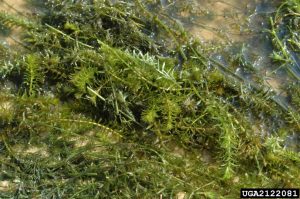
NAISMA’s #KnowYourInvasives campaign would like to shine a spotlight on Golden Bamboo (Phyllostachys aurea), a species known for its rapid growth and significant impact on ecosystems. While this species may be admired for its aesthetic appeal, its aggressive nature makes it a formidable invasive species.

What is Golden Bamboo?
Golden Bamboo, also known as Fishpole Bamboo, is a perennial grass that can grow up to 30 feet tall. It was initially introduced to the United States as an ornamental plant and for use in creating natural screens. However, its ability to spread quickly and form dense thickets has led to its classification as an invasive species in many regions.
Why is it a Problem?
Firstly, this plant’s aggressive growth allows it to outcompete native vegetation, leading to a loss of biodiversity. The dense thickets it forms can:
- Displace Native Plants: Golden Bamboo crowds out native plant species, disrupting local ecosystems and reducing the habitat available for native wildlife.
- Damage Structures: The plant’s robust root system can cause damage to buildings, sidewalks, and other structures, creating significant management challenges and costs.
- Difficult to Control: Once established, it is notoriously difficult to eradicate due to its extensive root system and ability to regenerate from small root fragments.
Identifying Golden Bamboo
Golden Bamboo is characterized by its tall, straight canes that turn yellowish-gold as they mature. The plant has distinct jointed stems and narrow leaves, which can form a dense canopy. Identifying and managing this plant early is crucial to preventing its spread.
Managing Golden Bamboo
Controlling the species requires a combination of mechanical and chemical methods:
- Mechanical Removal: This involves cutting down the canes and digging out the root system. Due to the plant’s regenerative abilities, repeated efforts may be necessary.
- Chemical Control: Herbicides can be effective but must be applied carefully to avoid harming surrounding vegetation. Follow all guidelines and consider consulting with a professional.
How You Can Help
Awareness and early action are key to preventing the spread of Golden Bamboo. Therefore, here are some steps you can take:
- Avoid Planting Golden Bamboo:
- Choose native or non-invasive alternatives for your garden or landscaping needs.
- Report Sightings:
- If you encounter this species in the wild, report it to local environmental authorities or invasive species management organizations.
- Spread the Word:
- Educate your community about the impacts of Golden Bamboo and other invasive species.
Learn More
Lastly, for more information on Golden Bamboo and how to manage it, visit the USDA National Invasive Species Information Center.
In conclusion, by staying informed and proactive, we can protect our native ecosystems from the detrimental effects of invasive species. Join us in our #KnowYourInvasives campaign to learn more about invasive species and how you can help make a difference.
About NAISMA:
The North American Invasive Species Management Association (NAISMA) is a leading organization dedicated to combating the spread of invasive species across North America. Through education, advocacy, and collaboration, NAISMA supports professionals, organizations, and communities in their efforts to manage and prevent the impact of invasive species. With a focus on innovation and partnerships, NAISMA provides resources, training, and expertise to enhance the effectiveness of invasive species management, fostering a healthier, more resilient environment. Contact us for more information.