The Kudzu bug (Megacopta cribraria), also known as the bean plataspid, is an invasive pest native to Asia that has become a significant concern in the southeastern United States since its introduction in 2009. This small but impactful insect primarily targets soybeans and other legume crops, posing a substantial threat to agriculture and local ecosystems.
How to Identify the Kudzu Bug
Identifying is relatively straightforward:
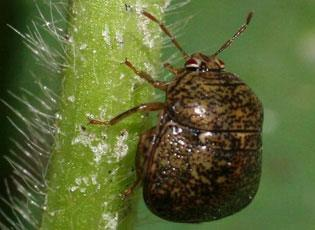
- Size and Shape: Adult Kudzu bugs are small, about 4-6 mm in length, with a distinctive shield-like shape.
- Color: They are typically olive-green with brown speckles, making them somewhat camouflaged against foliage.
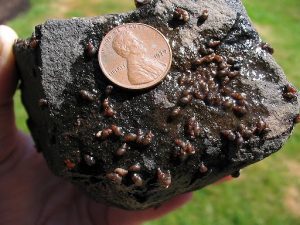
- Behavior: These bugs often congregate in large numbers on the underside of leaves, stems, and pods of legume plants, including soybeans.
Impact as an Invasive Species
The Kudzu bug is notorious for the damage it inflicts on legume crops, particularly soybeans. These bugs feed on the plant’s stems and leaves, extracting sap and weakening the plant. This feeding behavior can significantly reduce crop yields, leading to economic losses for farmers.
Beyond agriculture, the Kudzu bug’s presence can disrupt local ecosystems. As they multiply and spread, they can outcompete native species for resources, leading to broader ecological imbalances.
What Can Be Done?
Managing the spread of the Kudzu bug involves vigilant monitoring and employing integrated pest management strategies. Farmers and gardeners are encouraged to regularly inspect their plants and report any sightings of these bugs to local agricultural authorities. Ongoing research and cooperation between various agricultural and environmental organizations are crucial to developing effective control methods.
For more detailed information and resources about the Kudzu bug, including distribution maps and videos, visit the University of Georgia’s Center for Invasive Species and Ecosystem Health or the USDA’s Agricultural Research Service websites.
Stay informed and help protect our crops and ecosystems from invasive species like the Kudzu bug!
You may also like:
#KnowYourInvasives: Spotlight on Golden Bamboo
See our social media posts toolkit to help us spread awareness.