
As wildfire seasons become increasingly severe and prolonged, it’s crucial to recognize the role that Invasive Grasses play in exacerbating wildfire danger. In this blog post, we’ll explore how Invasive Annual Grasses contribute to wildfire risk, their impact on ecosystems, and actionable steps to mitigate this threat.
Invasive Grasses, such as cheatgrass (Bromus tectorum) and medusahead (Taeniatherum caput-medusae), have proliferated in many regions of North America. These grasses outcompete native vegetation, forming dense monocultures that dry out quickly and provide ample fuel for wildfires. Furthermore, their fine, flashy fuels increase the intensity, spread, and frequency of wildfires, posing significant challenges for wildfire management and ecosystem resilience.
Several factors contribute to the heightened wildfire danger associated with Invasive Annual Grasses:
Rapid Growth: Invasive Annual Grasses have short life cycles and can quickly establish and spread across landscapes, creating expansive fuel beds.
- High Flammability: These grasses are highly flammable, with dry, fine fuels that ignite easily and spread rapidly during periods of drought and high temperatures.
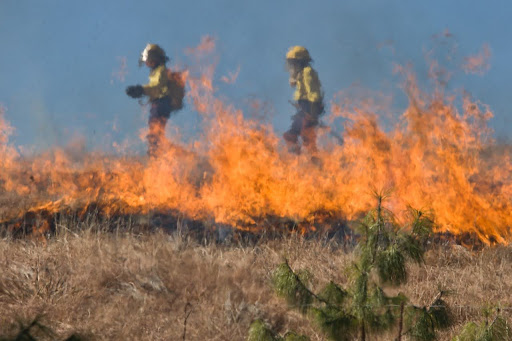
Altered Fire Regimes: The presence of Invasive Annual Grasses can alter fire regimes, leading to more frequent and intense wildfires that threaten both natural and human communities.
The proliferation of Invasive Annual Grasses has far-reaching consequences for ecosystems:
Biodiversity Loss:
These grasses outcompete native vegetation, reducing plant diversity and altering ecosystem dynamics.
Habitat Degradation:
Increased wildfire frequency and intensity can degrade habitats, disrupt wildlife populations, and compromise ecosystem resilience.
Water Resource Impacts:
Wildfires fueled by invasive grasses can impair water quality, increase sedimentation, and impact hydrological processes, affecting downstream ecosystems and human water supplies.
Effective management strategies are essential for mitigating the wildfire danger posed by Invasive Annual Grasses:
Prevention:
Implement proactive measures to prevent the introduction and spread of invasive grasses, such as early detection and rapid response programs, and promote awareness among landowners and recreational users.
- Control and Restoration:
- Utilize integrated management approaches, including mechanical, chemical, and biological control methods, to suppress invasive grass populations and restore native vegetation.
Collaboration:
Foster partnerships between land managers, conservation organizations, researchers, and communities to coordinate wildfire prevention and management efforts and share best practices.
As wildfire seasons become more severe and prolonged, addressing the threat of Invasive Annual Grasses is essential for mitigating wildfire danger, protecting ecosystems, and safeguarding communities. By implementing proactive management strategies, collaborating across sectors, and promoting awareness and education, we can work together to reduce the impact of invasive grasses on wildfire risk and enhance ecosystem resilience.
About NAISMA:
The North American Invasive Species Management Association (NAISMA) is a leading organization dedicated to combating the spread of invasive species across North America. Through education, advocacy, and collaboration, NAISMA supports professionals, organizations, and communities in their efforts to manage and prevent the impact of invasive species. With a focus on innovation and partnerships, NAISMA provides resources, training, and expertise to enhance the effectiveness of invasive species management, fostering a healthier, more resilient environment. Contact us for more information.


