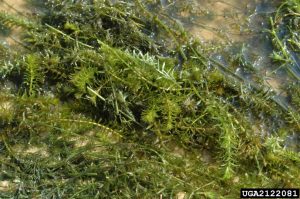
Purple loosestrife (Lythrum salicaria), while visually stunning with its vibrant magenta flowers, is one of North America’s most destructive invasive species. Originally introduced from Europe and Asia in the 1800s as an ornamental plant, it has since spread aggressively across wetlands, lakeshores, and other aquatic environments, causing significant ecological harm.
The Negative Effects of Purple Loosestrife on Ecosystems
Purple loosestrife poses a severe threat to North American ecosystems. Its rapid growth outcompetes native plants, reducing biodiversity and degrading habitats for birds, amphibians, and fish. As it takes over wetlands, it disrupts water flow and reduces open water areas, making it harder for native species to thrive. Economically, managing purple loosestrife costs millions annually, impacting agriculture, recreation, and water management systems.
How to Identify Purple Loosestrife
To combat this invasive plant, early detection is essential. Here’s how to identify purple loosestrife:
- Flowers: Magenta to purple blooms with 5-7 petals, arranged on tall spikes.
- Leaves: Lance-shaped, opposite or whorled along the square stems.
- Height: Grows 3-7 feet tall, depending on the conditions.
- Habitat: Found in wetlands, along streambanks, and in shallow waterways.
Management and Control
While purple loosestrife is challenging to control once established, there are strategies to manage its spread:
- Physical Removal: Pull small infestations by hand, ensuring all roots are removed to prevent regrowth. Dispose of plants properly to avoid spreading seeds.
- Biological Control: Several species of beetles, such as Galerucella calmariensis and G. pusilla, have been introduced as natural enemies to control loosestrife populations.
- Herbicides: In larger infestations, carefully applied herbicides can be effective. Consult local regulations and professionals before use.
- Prevention: Avoid planting purple loosestrife in gardens. Choose native alternatives like swamp milkweed or blue vervain.

How You Can Help
If you spot purple loosestrife in your area, report it to local invasive species management authorities. By raising awareness and taking proactive steps, we can protect North America’s wetlands and preserve biodiversity for generations to come.
For more information on invasive species and to learn about the “Know Your Invasives” campaign, visit NAISMA.org.