Scientific Name: Esox lucius
Native Range: Northern North America, Europe, and Asia
Habitat: Lakes, rivers, and reservoirs with slow-moving or still water and dense vegetation
Introduction to Northern Pike
Northern pike (Esox lucius), a voracious predator, is native to parts of North America but has become an invasive species in regions where it has been introduced. Its aggressive feeding behavior and adaptability allow it to dominate aquatic ecosystems, often at the expense of native fish populations. Managing its spread is critical to protecting biodiversity and maintaining balanced aquatic ecosystems.
How to Identify Northern Pike
Recognizing northern pike is straightforward due to its distinctive features:
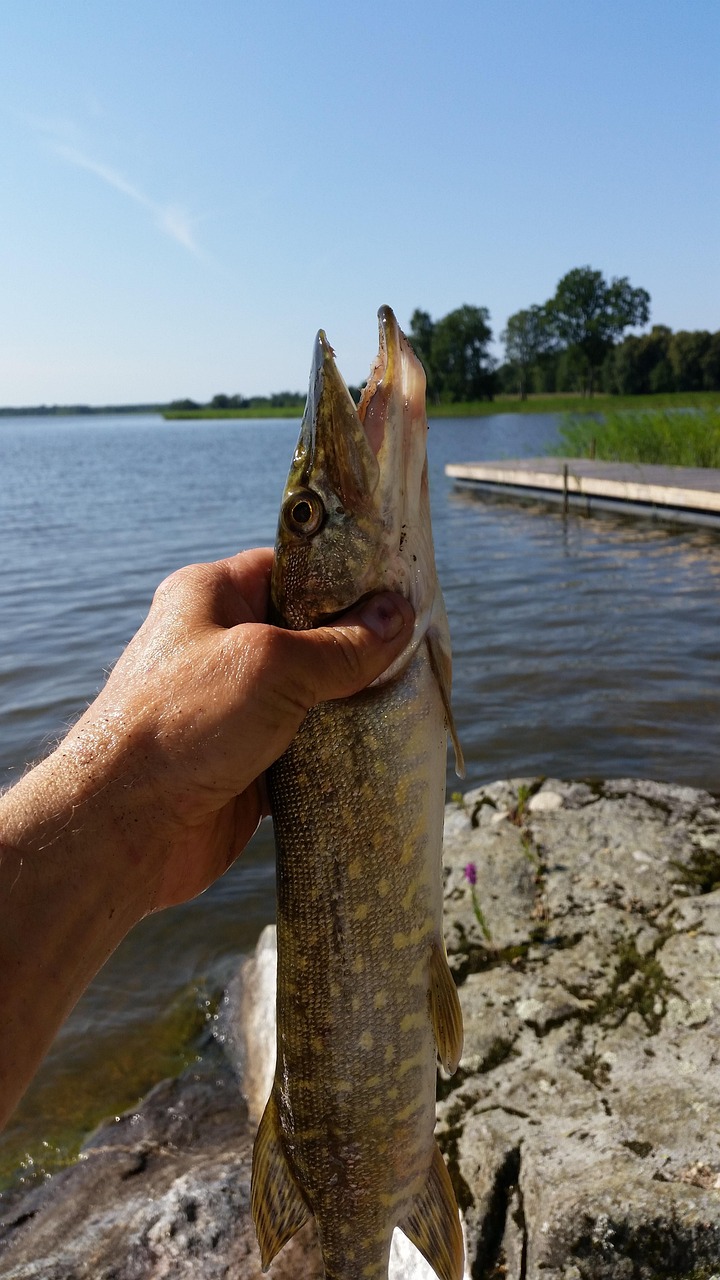
- Body Shape: Long, cylindrical body with a pointed snout and a forked tail.
- Coloration: Green to yellowish-green body with light, horizontal spots or stripes and a white belly.
- Size: Adults can grow 16–22 inches in length, with some reaching over 4 feet and weighing more than 20 pounds.
- Fins: Soft-rayed fins with no spines; dorsal fin positioned near the tail.
- Teeth: Sharp, needle-like teeth designed for grasping prey.

Why is Northern Pike Invasive?
Northern pike become invasive when introduced into water bodies outside of it its native range, where it disrupts local food webs:
- Predatory Behavior: Pike consume a wide range of prey, including fish, amphibians, and even waterfowl, often preying on native species.
- Competition: Their presence reduces food availability for native predatory fish, leading to declines in native fish populations.
- Rapid Reproduction: Females can produce up to 200,000 eggs in a single spawning season, enabling populations to grow quickly.
- Adaptability: Northern pike thrive in diverse conditions, including cold waters and varying salinity levels, making them a formidable invasive species.
Management and Control of Northern Pike
Effective management of northern pike requires a combination of approaches:
1. Mechanical Removal:
- Netting and Trapping: Targeted removal using gill nets and traps helps reduce populations in infested waters.
- Angler Harvesting: Encouraging anglers to catch and remove northern pike can contribute to population control.
2. Prevention:
- Restrict Live Transport: Never move live fish, including northern pike, between water bodies. Follow local regulations to prevent accidental introductions. Stop the Spread: As always, Clean, drain, and dry boats and equipment to prevent the transfer of any aquatic invasive species between water bodies.
3. Biological Control:
- Native Predator Support: Promoting the health of native predator fish populations can help keep pike numbers in check.
4. Education and Outreach:
- Public Awareness: Educating the public about the ecological damage caused by northern pike can encourage support for management efforts.
Environmental Impact of Northern Pike
Unchecked populations of northern pike can devastate aquatic ecosystems:
- Biodiversity Loss: Native species populations often decline due to predation and competition.
- Economic Impact: Reduced populations of game fish and commercially valuable species can harm local fisheries and tourism industries.
- Habitat Disruption: Pike can alter the balance of aquatic ecosystems, affecting everything from algae growth to larger predators.
Get Involved
Protecting waterways from northern pike requires everyone’s help. Report sightings to your local wildlife agency and support local invasive species management programs.
Through NAISMA’s “Know Your Invasives” campaign, we’re highlighting species like northern pike to educate the public and inspire action. Together, we can safeguard our aquatic ecosystems and protect native species from the harmful impacts of invasive species like northern pike. Use our social media post toolkit to help us spread awareness.