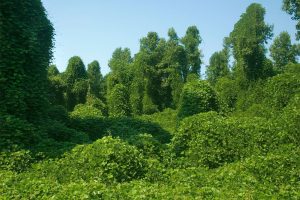
Common buckthorn (Rhamnus cathartica) is an invasive shrub or small tree that has become a major threat to North American ecosystems. Native to Europe and western Asia, it was initially introduced as an ornamental plant and for hedgerows. However, its aggressive growth and lack of natural predators have allowed it to spread rapidly, disrupting native landscapes. Understanding how to identify and manage common buckthorn is essential to protecting our natural habitats.
How to Identify Common Buckthorn
Recognizing common buckthorn is the first step in preventing its spread. Here are some key characteristics to look for:
- Leaves: Oval, dark green leaves with noticeable veins and finely serrated edges. They often remain green well into fall, giving buckthorn a competitive advantage.
- Bark: The bark is gray to brown with a rough texture, resembling that of cherry trees. A distinguishing feature is the inner bark, which has a bright orange hue when cut.
- Twigs: Often end in sharp, thorn-like tips.
- Flowers: Small, yellow-green flowers bloom in clusters in spring and early summer.
- Berries: In late summer, buckthorn produces dark purple to black berries. While they may appear attractive, they are toxic to many animals and humans.
- Growth Habit: Typically grows as a dense shrub or small tree, reaching heights of 20–25 feet. It forms dense thickets that shade out native vegetation.

The Ecological Impact of Common Buckthorn
The presence of common buckthorn in North American ecosystems results in a variety of negative effects:
- Outcompeting Native Plants: Buckthorn’s rapid growth and early leaf-out give it a competitive edge over native species. It forms dense thickets that block sunlight, inhibiting the growth of native wildflowers, grasses, and tree seedlings.
- Soil Degradation: Buckthorn alters soil composition by increasing nitrogen levels. This change benefits other invasive species and further hampers the growth of native plants.
- Wildlife Disruption: While buckthorn berries are consumed by birds, they offer poor nutritional value. Additionally, birds disperse the seeds, contributing to the plant’s spread.
- Erosion and Water Quality Issues: With native plants displaced, soil erosion becomes a concern. Buckthorn’s shallow roots provide minimal soil stabilization, leading to sediment runoff that impacts water quality.
- Reduced Biodiversity: Healthy ecosystems rely on diverse plant species to support a variety of wildlife. The spread of common buckthorn reduces biodiversity, threatening pollinators, herbivores, and predators alike.
Managing and Controlling Common Buckthorn
Successfully managing common buckthorn often requires a thoughtful combination of mechanical, chemical, and biological approaches. Here are three strategies to consider:
Manual Removal
Young buckthorn seedlings can be pulled by hand, particularly when the soil is moist, making it easier to remove the entire root system. This method is most effective for small infestations or early-stage growth. For larger shrubs, mechanical tools like weed wrenches can help uproot the plant without excessive soil disturbance.
Cut Stump Treatment with Herbicide
For more established plants, the cut stump method is a reliable way to prevent regrowth. This involves cutting the buckthorn close to the ground and immediately applying a targeted herbicide to the freshly cut surface. Tools like the Buckthorn Blaster® make this process more precise and efficient by delivering the herbicide directly to the stump, minimizing impact on surrounding vegetation. Be sure to follow all label directions and consult your local Extension Office for herbicide guidelines specific to your region.
Targeted Grazing
In some areas, using livestock—particularly goats—as a form of biological control can help suppress buckthorn regrowth. These animals naturally browse on woody vegetation, and when used strategically, targeted grazing can reduce dense thickets and promote the recovery of native plant communities. This method is best used as part of an integrated management plan and may require fencing or rotational grazing to be effective.

Looking for a reliable, easy-to-use tool to aid in your buckthorn removal efforts? NAISMA’s Official Buckthorn Blaster® Kit is available now and designed to help you precisely apply herbicide to cut stumps. Order yours today and join the fight against invasive species.
Common buckthorn is a resilient and aggressive invasive species that poses a significant threat to ecosystems across North America. By learning to identify and manage buckthorn, we can mitigate its impact and support the health of our natural landscapes. Every action counts—whether it’s removing a buckthorn sapling from your yard, using tools like the Buckthorn Blaster®, or participating in local restoration efforts.
👉 Donate to support NAISMA’s invasive species education and prevention efforts.