Tennessee is known for its rolling hills, diverse wildlife, and iconic waterways from the Appalachian highlands to the Mississippi River. But beneath this natural beauty lies a growing problem: invasive species.
These non-native plants, animals, and pests pose serious threats to Tennessee’s ecosystems, agriculture, and even outdoor recreation. Understanding the issue is the first step toward protecting the Volunteer State’s natural heritage.
What Are Invasive Species?
Invasive species are organisms introduced either intentionally or accidentally outside of their native range. In Tennessee, these species often thrive unchecked, outcompeting native plants and animals, damaging infrastructure, and disrupting ecological balance.
Invasive Species in Tennessee: Ones to Watch
Tennessee’s unique geography and temperate climate make it vulnerable to a wide range of invaders. Here are just a few of the most concerning:
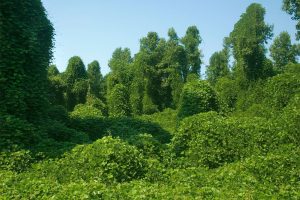
1. Kudzu (Pueraria montana): Often called “the vine that ate the South,” kudzu smothers native vegetation, trees, and utility poles alike. It spreads rapidly and is notoriously difficult to control once established.
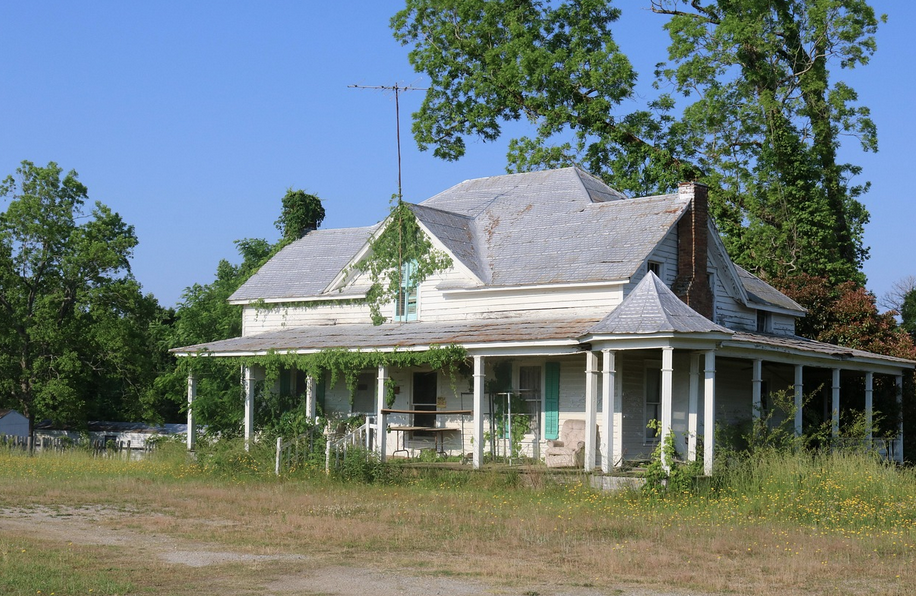
2. Emerald Ash Borer (Agrilus planipennis): This tiny metallic-green beetle has devastated ash tree populations across Tennessee. Larvae feed on the inner bark of trees, cutting off water and nutrients until the tree dies.

3. Hydrilla (Hydrilla verticillata): A fast-growing aquatic plant, hydrilla forms dense mats that choke out native aquatic life and clog rivers, lakes, and reservoirs—harming fishing and boating.

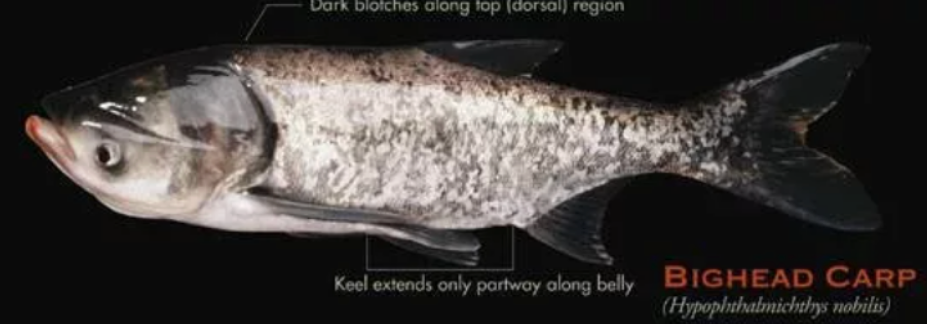
4. Invasive Carp (various species): These invasive fish disrupt food webs and compete with native species like bass and catfish. Their presence in the Tennessee and Cumberland River systems has raised alarms among fisheries biologists and recreationists alike.
Why Should Tennesseans Care?
Invasive species in Tennessee impact:
- Biodiversity: Native species lose their habitat, food sources, and breeding grounds.
- Agriculture: Pests and invasive weeds increase costs for farmers and reduce crop yields.
- Forests and Waterways: Invasive plants and insects weaken tree health and reduce water quality.
- Outdoor Recreation: Dense infestations interfere with hiking, hunting, fishing, and boating.
- Economy: The state spends millions annually on management, mitigation, and restoration efforts.
What You Can Do
The good news? Everyone can help slow the spread of invasive species.
- Clean, Drain, and Dry boats and gear when moving between waterways.
- Plant native species in your yard or garden to support local ecosystems.
- Buy certified Weed Free Products (like mulch and gravel) for landscaping or restoration work.
- Report sightings of known invasive species through your local extension office or tools like EDDMapS.
- Support public outreach programs like NAISMA’s PlayCleanGo®, which educate recreationists on responsible practices.
Tennessee’s Natural Beauty Is Worth Protecting
From the Great Smoky Mountains to the Tennessee River Valley, the state’s diverse landscapes are under threat but with awareness and action, we can turn the tide.
Together, Tennesseans can protect native species, preserve local economies, and keep forests, rivers, and trails healthy for future generations.