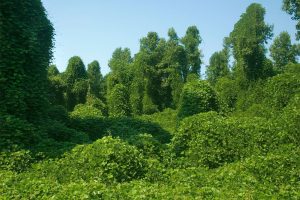
At first glance, the Tree-of-Heaven (Ailanthus altissima) may look like just another leafy tree along a roadside or urban lot. Its fast growth and hardy nature can seem appealing in tough environments. But behind its name lies a much different story: this species is one of the most aggressive and damaging invasive trees in North America.
What Is the Tree-of-Heaven?
Native to China, Tree-of-Heaven was first introduced to the United States in the late 1700s as an ornamental plant. Its ability to grow in poor soils and tolerate pollution made it popular in urban landscaping through the 19th and 20th centuries.
But these very traits, fast growth, tolerance for stress, and prolific seed production, are what make it such a problematic invader today.
Why Tree-of-Heaven Is a Problem

Tree-of-Heaven thrives in disturbed areas: roadsides, abandoned lots, railways, and forest edges. Its impacts are wide-reaching:
- Rapid Growth: Ailanthus can grow up to 3 feet per year and reach 80 feet tall, quickly overtaking native vegetation.
- Allelopathy: The tree releases chemicals (ailanthone) into the soil that inhibit the growth of surrounding plants, giving it a competitive advantage.
- High Seed Production: A single female tree can produce hundreds of thousands of seeds each year, which spread easily by wind.
- Root Sprouting: Even if cut down, its extensive root system allows it to resprout rapidly, making eradication difficult.
- Urban and Infrastructure Damage: Roots can crack sidewalks, damage foundations, and invade sewer lines.
A Dangerous Ally: Spotted Lanternfly
One of the biggest concerns today is Tree-of-Heaven’s close association with another invasive species, the spotted lanternfly (Lycorma delicatula).
- Tree-of-Heaven is the preferred host for this destructive insect, which feeds on crops like grapes, apples, and hardwood trees.
- Areas with abundant Ailanthus often see rapid spread of lanternflies, magnifying economic and ecological damage.
By controlling Tree-of-Heaven, land managers also reduce suitable habitat for lanternflies.

Management and Control
Tree-of-Heaven is notoriously difficult to eradicate, but a combination of approaches can help:
- Mechanical Control
- Cutting alone is ineffective; trees will resprout vigorously.
- Repeated mowing or girdling can weaken trees over time, but must be combined with herbicide treatment.
- Chemical Control
- Systemic herbicides applied to cut stumps or injected into stems are most effective.
- Foliar sprays may be used on seedlings or young trees, though timing and care are critical to avoid affecting native plants.
- Be sure to follow all label directions and consult your local Extension Office for herbicide guidelines specific to your region.
- Integrated Management
- Success often requires a multi-year effort combining cutting, herbicide, and follow-up monitoring.
- Removing seed-bearing female trees first can help reduce spread.
- Biological Control (Research Stage)
- Scientists are studying the potential to use a host-specific native fungal wilt pathogen and a weevil as potential biocontrol agents for Tree-of-Heaven.
Economic and Ecological Costs
The economic burden of Tree-of-Heaven is tied both to its own impacts and its role in supporting spotted lanternfly:
- Agriculture: Tree-of-Heaven indirectly fuels crop damage by providing habitat for lanternflies.
- Infrastructure: Cities spend significant resources removing trees that damage sidewalks, roads, and sewer systems.
- Forest Management: Ailanthus disrupts regeneration of valuable hardwood species, lowering long-term forest productivity.
Tree-of-Heaven is a textbook example of how one species, introduced with good intentions, can create cascading ecological and economic challenges. From outcompeting native trees to supporting destructive pests, Ailanthus continues to spread across North America’s urban and rural landscapes.
Managing this invader requires persistence, coordination, and investment. By supporting invasive species programs and spreading awareness, communities can slow its spread and protect native ecosystems.