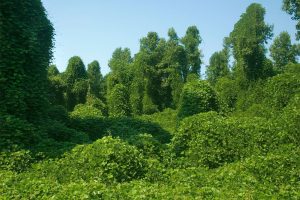
California is renowned for its incredible biodiversity, featuring a diverse array of ecosystems, from towering redwoods and coastal wetlands to deserts and high mountain forests. But that biodiversity is under threat. Across the state, invasive species are spreading, disrupting ecosystems, and creating challenges for agriculture, water, and wildlife.

What Are Invasive Species?
Invasive species are plants, animals, or pathogens introduced — either accidentally or intentionally — outside of their native range and capable of causing environmental damage, economic impacts, and harm to human health. In California, they thrive in diverse climates and often outcompete native species.
Key traits include:
- Rapid growth and reproduction
- Lack of natural predators
- Ability to adapt to different environments
The result? They spread quickly, displace native species, and cause ecological and economic harm.
Examples of Invasive Species in California
California is already managing hundreds of invasive species that have become established across the state, and many more are on the horizon.From aquatic invaders clogging waterways to insects killing trees, each new introduction adds pressure to already stressed ecosystems.
Aquatic Invaders
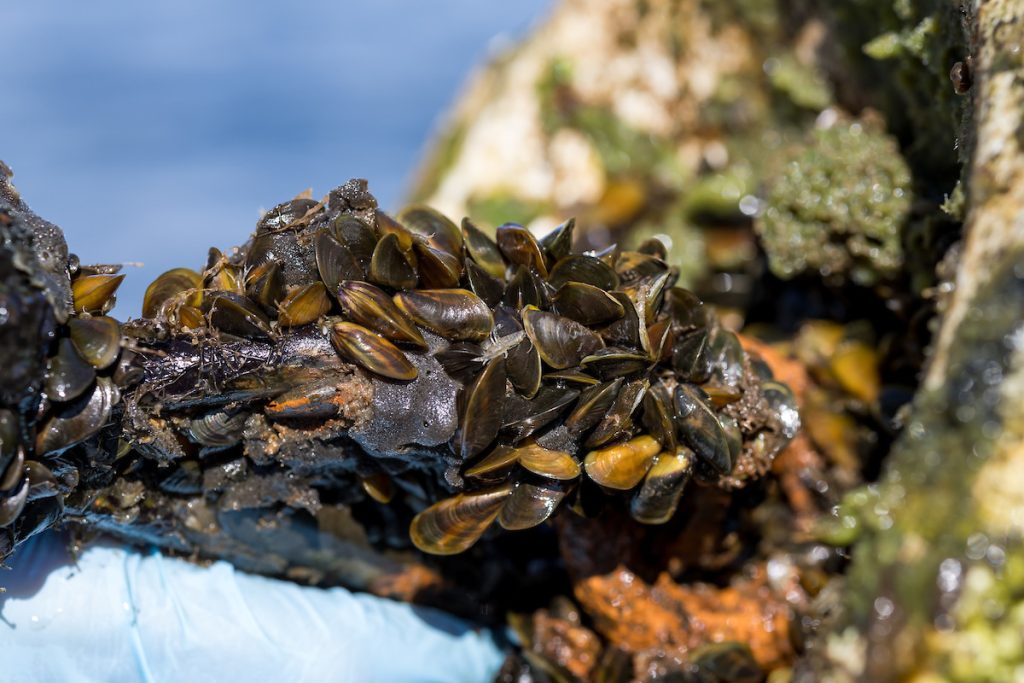
Golden Mussel (Limnoerna fortunei): Recently detected for the first time in North America, this highly invasive mussel poses a serious threat to California’s water infrastructure and aquatic ecosystems. Like quagga and zebra mussels, it can rapidly colonize pipes, dams, and boats, leading to millions of dollars in damage and maintenance costs.
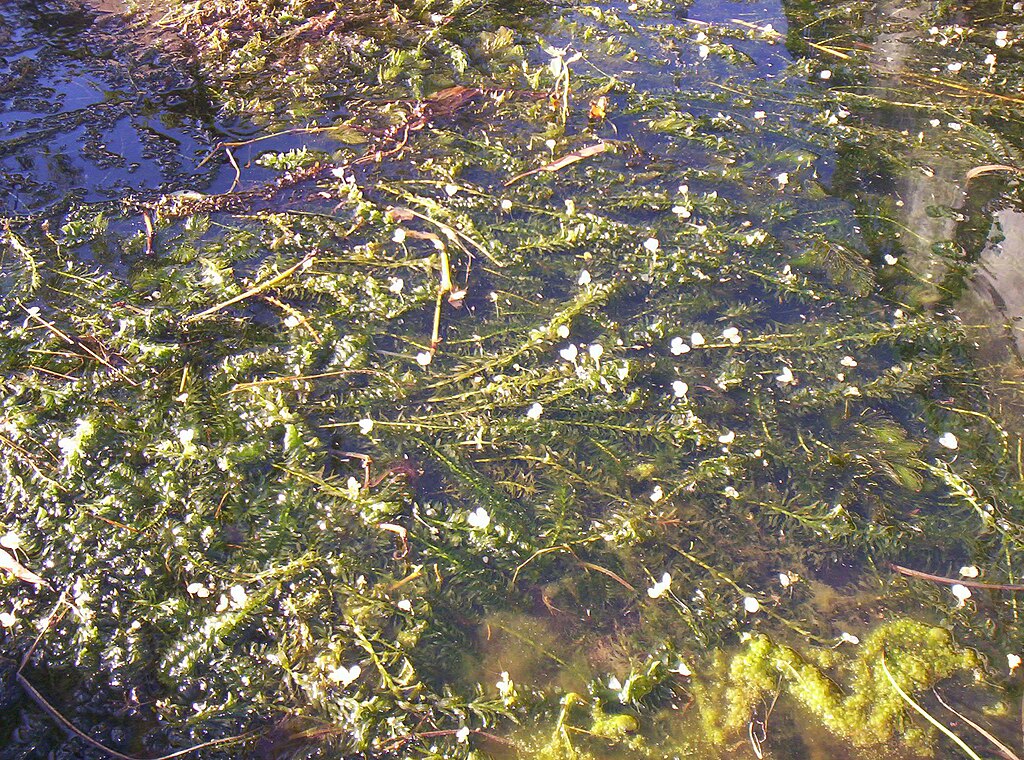
Brazilian Egeria (Egeria densa): A submerged aquatic plant often introduced through the aquarium trade, Brazilian egeria forms dense underwater mats that impede recreation, clog irrigation channels, and reduce water quality. It is regulated in California due to its impacts on native fish habitat and water flow.
Terrestrial Plants
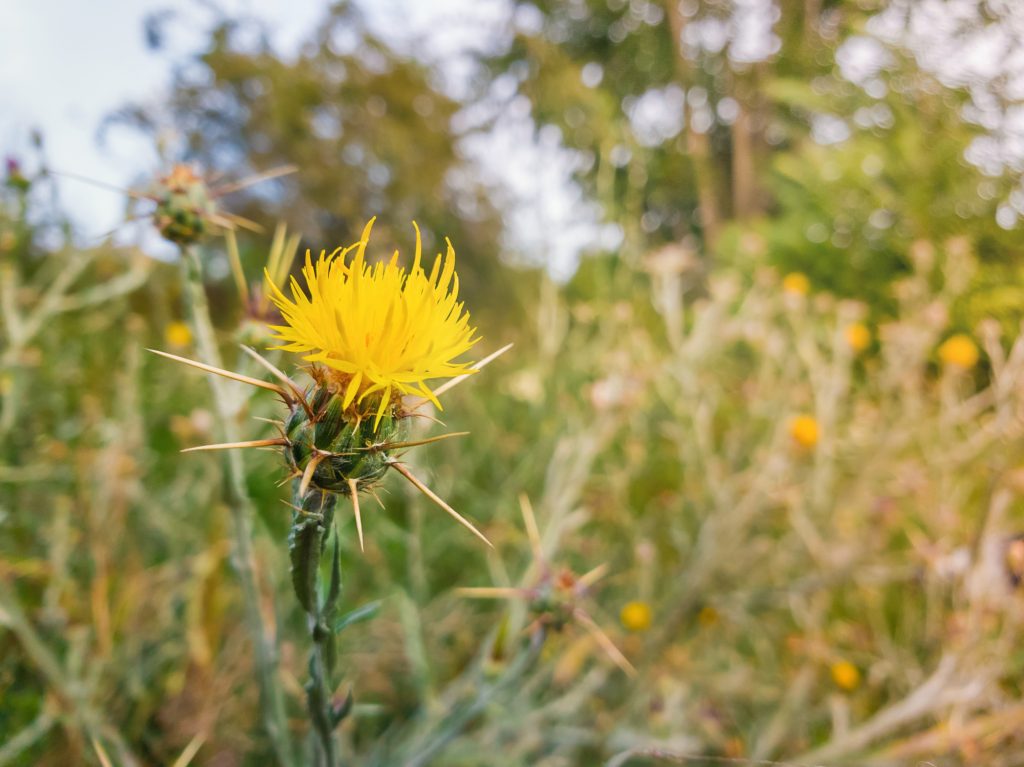
Yellow Starthistle (Centaurea solstitialis): A widespread noxious weed that infests millions of acres of California rangelands. It forms dense spiny stands that crowd out native grasses and wildflowers, reduce forage for livestock, and deplete soil moisture needed for desirable plants. Its deep taproot and prolific seed production make it extremely difficult to control once established.
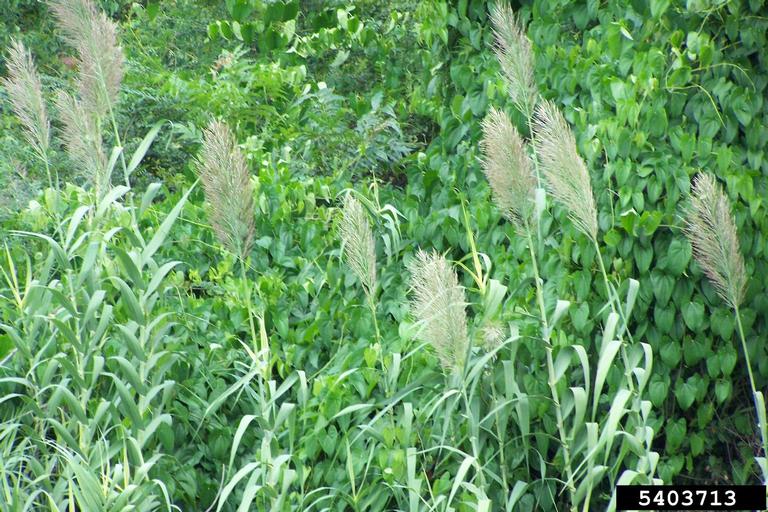
Giant Reed (Arundo donax): This towering invasive grass dominates riparian corridors across much of California. It grows rapidly, displacing native vegetation and altering streamflow. As it dries out, its thick stands become highly flammable, increasing wildfire risk in sensitive habitats. Managing Arundo requires persistent removal and replanting of native species to restore ecosystem balance.
Insects and Wildlife
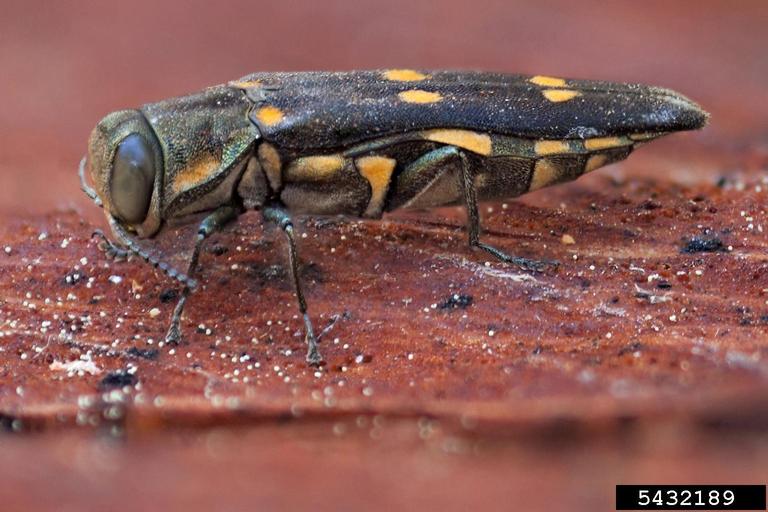
Goldspotted Oak Borer (Agrilus auroguttatus): First detected in San Diego County in 2004, this beetle is native to the southwestern U.S. and northern Mexico but has become invasive in California. It kills oaks by tunneling beneath the bark, disrupting nutrient flow, and can be spread long distances through infested firewood.
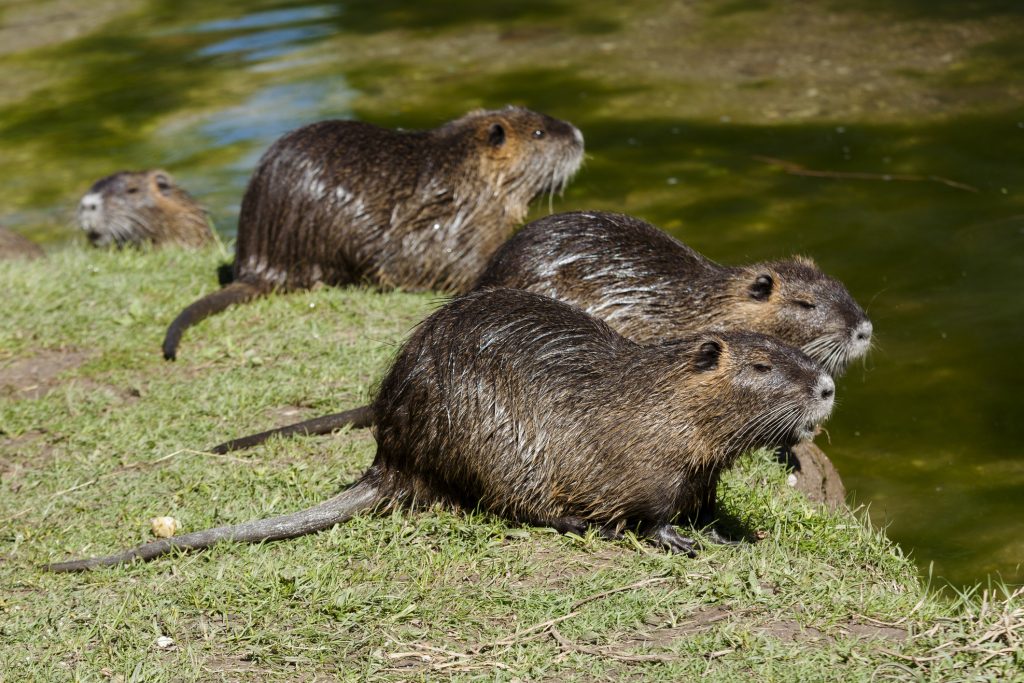
Nutria (Myocastor coypus): An invasive, semi-aquatic rodent originally introduced for the fur trade, Nutria have reappeared in California’s wetlands after decades of absence. Their burrowing and feeding destroy vegetation, destabilize levees and irrigation canals, and undermine wetland restoration projects. Rapid response teams are working to eradicate populations before they spread further.
Economic Impacts
California’s economy depends heavily on agriculture, water, and tourism — all of which are vulnerable to invasive species.
- Agriculture and Forests: Weeds like yellow starthistle reduce rangeland productivity, while invasive pests such as the goldspotted oak borer threaten forest health and increase tree mortality in both natural and urban landscapes.
- Water Infrastructure: Mussels and aquatic weeds clog waterways, resulting in increased maintenance costs for reservoirs, dams, and hydroelectric plants.
- Wildfire Risk: Invasive plants such as giant reed and cheatgrass increase fuel loads, contributing to more intense and frequent wildfires.
Estimates suggest invasive species cost California billions of dollars annually in lost productivity, management, and damage repair.
Managing Invasive Species in California
Fighting invasives requires a combination of science, policy, and community action:
- Prevention: Stopping new introductions is the most cost-effective strategy. Public awareness campaigns like Don’t Move Firewood and Clean, Drain, Dry for boats are crucial.
- Early Detection and Rapid Response (EDRR): Detecting invasives early and responding quickly can prevent widespread establishment.
- Integrated Management: Mechanical removal, herbicides, biological control, and habitat restoration are often combined to manage established invasives.
- Partnerships: Collaboration among state agencies, nonprofits, industry, and community volunteers strengthens California’s capacity to tackle invasive species.
A Shared Responsibility
California’s unique ecosystems — from coastal tidepools to Sierra Nevada forests — are treasures worth protecting. Every individual can help:
- Learn to identify invasive plants and animals in your area
- Clean boots, boats, and gear to avoid spreading seeds and organisms
- Buy firewood where you burn it, purchase certified heat-treated firewood, or collect it onsite when permitted to prevent spreading invasive pests
- Report sightings of invasive species to local agencies
Together, we can protect the Golden State’s natural heritage from the growing threat of invasive species.
To learn more about invasive species in California, visit the University of California’s Invasive Species List.