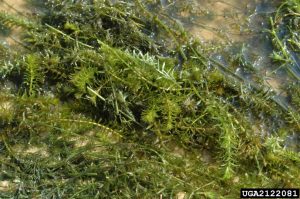
The New Zealand mudsnail (Potamopyrgus antipodarum) is a small but destructive aquatic invader threatening North America’s freshwater ecosystems. Native to New Zealand, these snails were first detected in the Snake River in Idaho in 1987. Since then, they have spread throughout rivers, streams, and lakes in the western United States and Canada. With no natural predators to keep them in check, their populations can expand quickly and disrupt entire food webs.
What Are New Zealand Mudsnails?
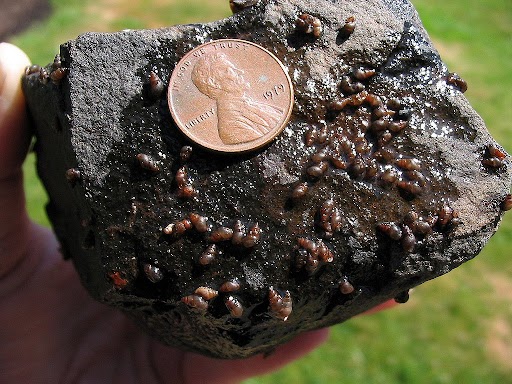
New Zealand mudsnails are tiny — about the size of a grain of rice (4–6 millimeters long). Their shells have 5–6 whorls and vary in color from light brown to black. These snails can survive in harsh conditions by sealing their shell opening with an operculum, allowing them to withstand drying and temperature extremes. This resilience makes them easily transported to new waters.
Where Are They Found?
New Zealand mudsnails are now established across much of the western U.S. and parts of Canada. They thrive in streams, rivers, and lakes of many types — from fast-flowing mountain rivers to reservoirs and irrigation canals. Because they can tolerate a wide range of environmental conditions, their potential distribution continues to expand.
How Do They Spread?
Mudsnails are spread both naturally and by human activity:
- Human-assisted spread: They cling to boots, waders, shoelaces, boats, watercraft, aquatic vegetation, and gear. Even a single snail carried between waterbodies can start a new population.
- Natural spread: They drift on currents, ride along algal mats, or even survive passage through fish digestive systems.

Ecological Impacts
Though small, the impacts of mudsnails are far-reaching:
- Outcompete native species: They consume algae and detritus that native aquatic insects depend on. Those insects are a critical food source for juvenile salmon and other fish.
- Rapid reproduction: In North America, populations reproduce by cloning. A single female can produce around 230 live young each year, enabling densities of over 500,000 snails per square meter.
- Poor nutrition for predators: Fish and birds may eat them, but they pass through digestive tracts unharmed and provide little nutritional value. This disrupts food chains and weakens ecosystem productivity.
Management and Control Strategies
Once established, New Zealand mudsnails are extremely difficult to eradicate. Prevention is the most effective strategy. Recommended practices include:
- Clean, Drain, Dry: Scrub boots and gear with a stiff-bristled brush, rinse with high-pressure water, and dry completely for at least 48 hours.
- Freeze or soak gear: Freeze for at least 4 hours or soak in hot water (120°F for 10 minutes; not recommended for GORE-TEX).
- Inspect gear: Always check waders, boats, and equipment before transport.
- Chemical disinfection: If physical methods are not possible, products like Formula 409® can be used, but physical cleaning is preferred.
- Gear rotation: Keep several sets of gear to dedicate to different waters.
What You Can Do
Public awareness and action are critical in slowing the spread of New Zealand mudsnails. You can help by:
- Cleaning and drying gear between every use.
- Avoiding the transfer of mud, plants, and water between sites.
- Reporting sightings of mudsnails to your local invasive species management authority.