The Echinopsis pachanoi, or San Pedro Cactus, is a fast-growing columnar cactus native to the Andean regions of South America. Recognized for its tall green stems and ribbed appearance, this species has long been valued for its cultural, horticultural, and ecological significance. In recent decades, increased global interest in the plant has also raised questions about cultivation, conservation, and responsible management.
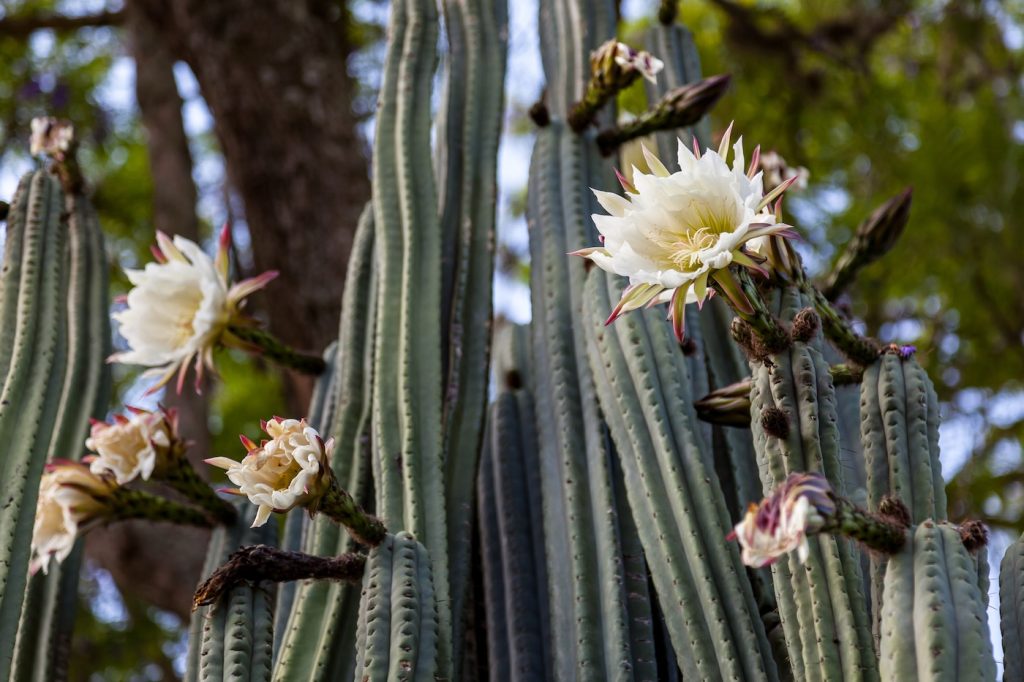
What is Echinopsis pachanoi (San Pedro Cactus)?
Echinopsis pachanoi, formerly classified as Trichocereus pachanoi, is a perennial cactus native to Peru, Ecuador, Bolivia, and northern Chile. It typically grows at elevations between 2,000 and 3,000 meters and thrives in mountainous, semi-arid environments.
Key characteristics include:
- Tall, columnar growth reaching up to 20 feet in ideal conditions
- Light to dark green stems with 6–8 prominent ribs
- Small clusters of short spines along each rib
- Large, fragrant white flowers that bloom at night
The cactus is well adapted to fluctuating temperatures and limited water availability, making it resilient in a variety of cultivated settings.
Cultural and Historical Significance
The Echinopsis pachanoi cactus in San Pedro has a long history of ceremonial and medicinal use among Indigenous Andean cultures. Archaeological evidence suggests its use dates back thousands of years, particularly in spiritual and healing practices. Carvings, textiles, and pottery depicting San Pedro have been discovered in ancient ceremonial sites throughout the Andes.
Today, the cactus continues to hold cultural importance in traditional contexts, while also being cultivated globally as an ornamental plant.
Growth, Cultivation, and Spread
San Pedro cactus is known for its rapid growth compared to many other cactus species. It can be propagated easily through cuttings and is tolerant of a wide range of soil types, provided drainage is adequate.
Common cultivation traits include:
- Preference for well-drained soils
- Moderate watering compared to desert cacti
- Tolerance of mild frost once established
- Fast vertical growth in warm climates
Because of these traits, Echinopsis pachanoi has become popular among home gardeners and collectors worldwide.
Environmental Considerations
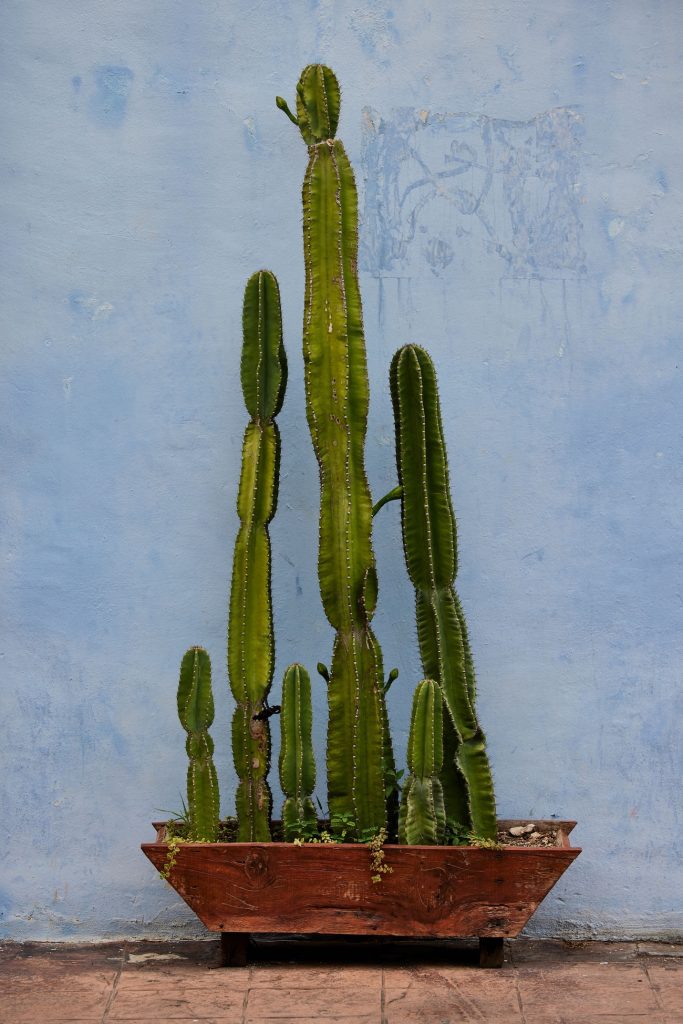
While Echinopsis pachanoi, the San Pedro cactus, is not widely classified as invasive, its increasing cultivation outside its native range raises important ecological considerations. Any non-native species introduced into new environments carries potential risks, including competition with native plants, altered habitat structure, and unintended spread.
Responsible cultivation includes:
- Avoiding planting near sensitive natural areas
- Preventing escape into unmanaged landscapes
- Disposing of cuttings properly
- Following local regulations regarding plant ownership and cultivation
These practices help minimize ecological risks while allowing for responsible enjoyment of the species.
Conservation and Ethical Use
As global demand for San Pedro cactus has increased, concerns about overharvesting from wild populations have emerged. Sustainable cultivation and ethical sourcing are essential to protecting native ecosystems and preserving cultural heritage.
Supporting nurseries that propagate plants responsibly and respecting Indigenous knowledge systems are important steps toward conservation-minded stewardship.
The Echinopsis pachanoi, San Pedro cactus, is a remarkable plant with deep cultural roots, distinctive biology, and growing global interest. Understanding its origins, growth characteristics, and environmental implications allows for more responsible appreciation and management. As with all plant species, thoughtful cultivation and awareness of ecological context are key to ensuring that interest in this species does not come at the expense of environmental integrity.