

May 21, 2025 @ 1:00 pm – 2:30 pm CDT
Invasive buckthorn continues to threaten native ecosystems, but new and creative management approaches are showing promising results. This webinar will explore cutting-edge strategies to control and replace buckthorn, including the Cover It Up program, which utilizes native plantings to suppress regrowth, targeted goat grazing, and the use of fungal pathogens to weaken buckthorn populations. Join experts as they share research-backed insights, real-world applications, and success stories from the field. Whether you’re a land manager, conservationist, or homeowner, this session will equip you with practical tools to restore habitat and reclaim invaded landscapes.
Using plants to control buckthorn
Presented by Dr. Mike Schuster, University of Minnesota
The Cover It Up project evaluates novel approaches to controlling invasive buckthorn (Rhamnus cathartica) and improving forest understory resilience. Since the project started in 2016, we have found how establishing dense cover of native plants immediately following management can limit the abundance and vigor of returning buckthorn and suppress other invasive plants. In some cases, this type of restoration planting can completely prevent buckthorn re-establishment. Our ongoing work continues to advance our understanding of which species to plant, how to plant them, which conditions favor their success, and how these methods can be used in conjunction with other management strategies to fortify forests against invasion.
Some things to chew on regarding goat browsing to control buckthorn
Presented by Dr. Dan Larkin
The goal of invasive plant management is often to benefit native plants; however, consequences of control actions on native vegetation are often not assessed. This is true with targeted grazing using livestock, such as goats, which is a rapidly expanding but little-studied method. Opinions among land managers vary widely regarding the potential effects of targeted goat browsing on native plants, ranging from anticipating strong benefits to severe damage. To address this uncertainty, we experimentally tested responses of deciduous-woodland understory plant communities to goat browsing for control of common buckthorn. The immediate and longer-term effects of goat browsing were quite different. Immediately after browsing, there were striking reductions in buckthorn abundance and native plant communities. However, one year later, buckthorn and native plants alike had recovered. In fact, native diversity was higher in the year following browsing, perhaps due to reduced dominance by woody species. These results provide tentative support for goat browsing as a component of a broader woodland restoration strategy. They also caution against drawing conclusions from appearances immediately after browsing. Monitoring should continue for a minimum of one year following treatment and should address responses of both buckthorn and native plants.
Fungi Associated with Buckthorn as Prospects for Biocontrol
Ryan D. M. Franke and Robert A. Blanchette, Department of Plant Pathology, University of Minnesota, Saint Paul, MN, USA 55108
Common and glossy buckthorn (Rhamnus cathartica & Frangula alnus) are invasive species that can form dense stands that displace native species and threaten natural forest habitats. Cutting buckthorn is labor intensive and resprouting occurs. Chemical methods for control of invasive buckthorn are effective but can negatively affect sensitive ecosystems. A few recent investigations have explored the potential of fungi as inundative biological control for invasive buckthorn; however, this research has been narrow in scope, focusing on two species of fungi, Puccinia coronata var. coronata and Chondrostereum purpureum, with varying degrees of efficacy. Our project objectives are to collect and test a broad range of native fungi for their potential use as agents of biological control. During the summers of 2023 and 2024 with the collaboration of the Minnesota Department of Agriculture and Minnesota and Wisconsin Departments of Natural Resources, we visited 19 sites across Minnesota and Wisconsin with dead and dying invasive buckthorn. 412 fungi were isolated from samples of diseased buckthorn tissue and identified via DNA extraction and sequencing. These fungi were identified as 120 unique taxa belonging to 81 genera. Of these fungi, 42 species belonging to 26 genera are considered canker or root-rot pathogens of woody plants, including species in: Aplosporella, Cadophora, Cylindrobasidium, Cytospora, Diaporthe, Didymella, Diplodia, Dothiorella, Erythricium, Eutypella, Fusarium, Hymenochaete, Irpex, Mycoleptodiscus, Nectria, Nectriella, Neocosmospora, Nothophoma, Paraconiothyrium, Peniophora, Pezicula, Phaeoacemonium, Phaeobotryon, Ramularia, Thyronectria, and Xylaria. In addition to the fungi isolated from dead and dying buckthorn, 9 other pathogenic fungal taxa isolated from non-buckthorn hosts in Minnesota are also being evaluated for their biocontrol potential. These isolates were inoculated into healthy common buckthorn in the greenhouse to assess their pathogenicity. Results from this pathogenicity experiment will be presented.

Speakers:
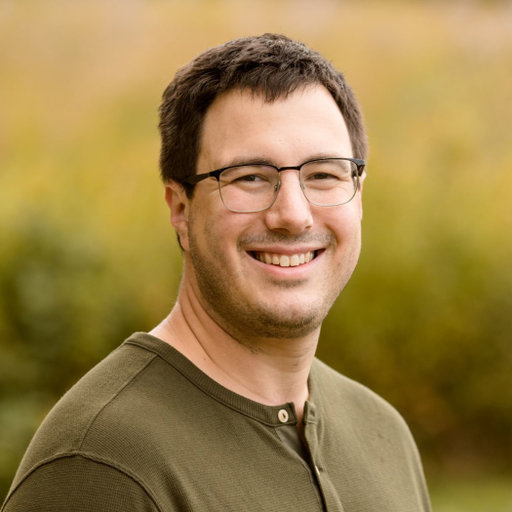
Dr. Mike Schuster works in the Department of Forest Resources, University of Minnesota Twin Cities studying invasive plant species, nutrient cycling, and climate change. His current project is Cover It Up: using native plants to control buckthorn, which investigates impacts of forest revegetation on buckthorn re-invasion.
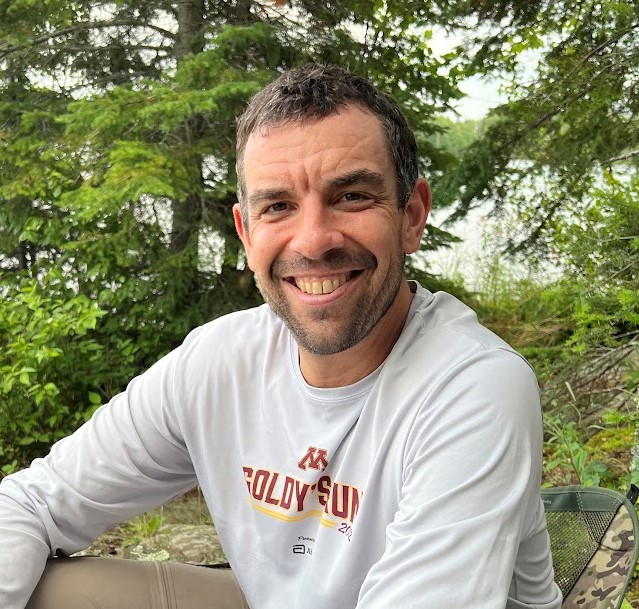
Dr. Dan Larkin is a Professor & Extension Specialist in the Department of Fisheries, Wildlife and Conservation Biology at the University of Minnesota-Twin Cities. He and his research team work on applied challenges in ecological restoration and invasive plant management in terrestrial, wetland, and aquatic habitats. Through extension, he trains volunteers and professionals to support ecological restoration and invasive species response efforts.
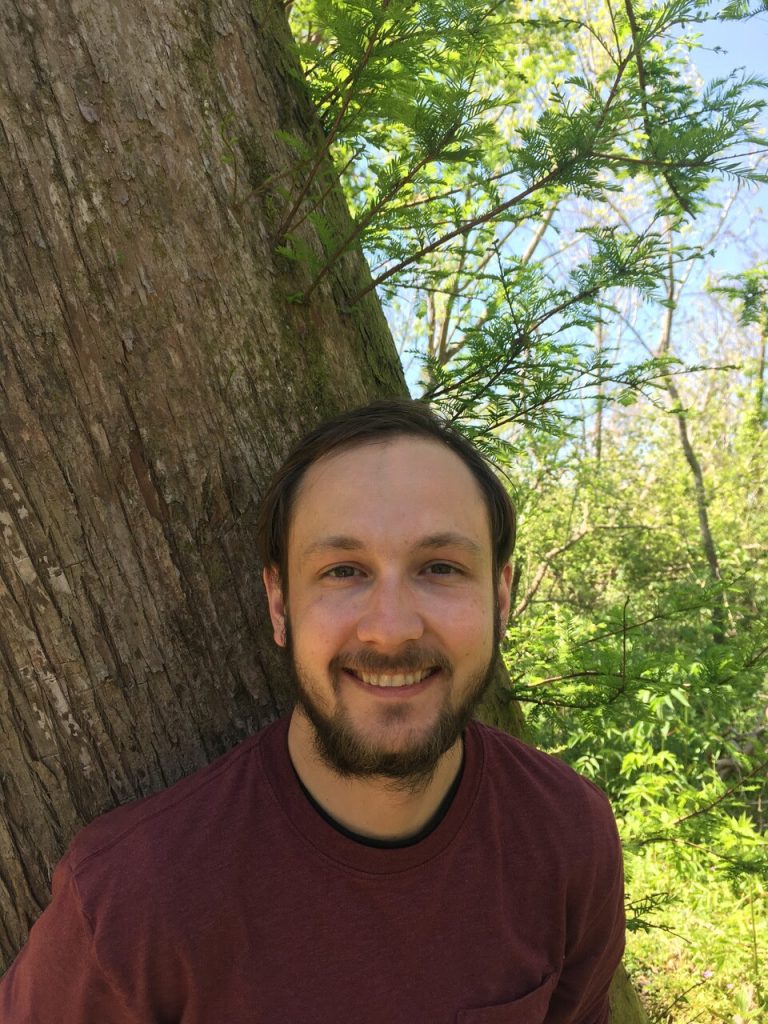
Ryan Franke graduated from Gustavus Adolphus College in 2014 with a Bachelor of Arts in Anthropology. He began cultivating fungi as a hobbyist in 2017. His interest in microbial science inspired him to gain employment with the biotech company, TerraMax, in 2020. Thereafter, Ryan came to the University of Minnesota to work in the Department of Ecology. Currently, Ryan is a graduate research assistant in the Blanchette Forest Pathology lab at the University of Minnesota studying the potential of using fungi to biologically control non-local buckthorn. In his free time, Ryan enjoys playing soccer and spending time outdoors with his wife Alicia and 2-year-old son Malachi.