Cheatgrass (Bromus tectorum), also known as downy brome, may appear like any other grass swaying gently in the wind, but don’t be fooled—this unassuming invader is dramatically altering the landscapes of western North America. From fueling intense wildfires to outcompeting native vegetation, cheatgrass is one of the most ecologically disruptive invasive species in the region.
How to Identify Cheatgrass
Cheatgrass is a winter annual grass native to Eurasia that now covers millions of acres across the western United States and Canada. It’s most easily identified in spring and early summer, before it dries out and becomes a fire hazard.
Key Characteristics:
- Growth Habit: Grows between 6 and 24 inches tall in dense clumps. It’s one of the earliest grasses to green up in the spring.
- Leaves: Long and narrow, with soft hairs on the sheath and blade. Leaves may appear twisted.
- Seed Heads: Slender, nodding seed heads with long, bristly awns that can attach to clothing and animal fur.
- Color: Bright green in spring, turning reddish-purple and then golden brown as it dries by early summer.
- Root System: Shallow, fibrous roots that allow rapid water uptake early in the season.
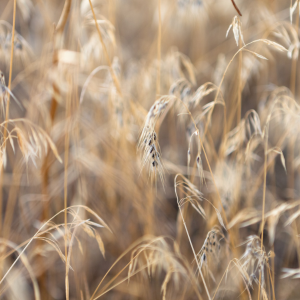
Once established, cheatgrass dries out by early summer—long before native grasses—creating a layer of highly flammable fuel across the landscape.
Ecological and Economic Impact of Cheatgrass
The spread of cheatgrass has wide-reaching consequences for ecosystems, land managers, and communities.
Increased Wildfire Risk
Cheatgrass alters fire regimes by increasing the frequency and extent of wildfires. Cheatgrass grows quickly and densely, and when it dies off early in the season, it leaves behind a dry carpet of fuel. This drastically shortens the wildfire return interval from 60–100 years to as little as 5 years in some regions. These fires destroy native plants, increase erosion, and degrade soil health.
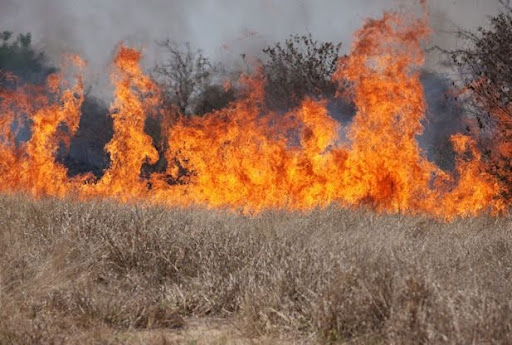
Photo courtesy of USDA/NRCS.
Displacement of Native Vegetation
Cheatgrass outcompetes native perennials by germinating earlier in the season and monopolizing water resources. Once it establishes, it dominates plant communities, reducing biodiversity and impacting food sources for wildlife like sage grouse, deer, and elk.
Reduced Forage for Livestock
While young cheatgrass shoots can be palatable to livestock for a brief window, its overall contribution to grazing is limited. Its presence reduces the availability of nutritious, native forage species, negatively impacting ranching operations.
Combatting Cheatgrass
Managing cheatgrass is complex, and the most effective strategies are those that combine multiple approaches. Prevention and early detection are key to reducing its spread.
- Prevention and Early Detection
- Clean vehicles, boots, and equipment before entering new areas.
- Avoid disturbing soil in infested areas.
- Monitor land regularly for new infestations, especially after fire or disturbance.
- Mechanical Control
- Mowing before seed production can reduce seed spread, though it’s labor-intensive and may require repeated efforts.
- Hand-pulling is viable for small infestations.
- Prescribed Burning
- Used cautiously, prescribed burns can reduce cheatgrass seed banks. However, without follow-up management, burning may worsen infestations.
- Herbicide Applications
- Pre-emergent herbicides like Imazapic can be effective when applied in late summer or fall before seeds germinate. Herbicide use must be carefully managed to avoid harm to native species.
- Be sure to follow all label directions and consult your local Extension Office for herbicide guidelines specific to your region.
- Targeted Grazing
- Targeted grazing of cheatgrass when it’s still green and actively growing can significantly reduce its seed production and vigor, especially when used in combination with other strategies such as herbicides, mechanical treatments, or prescribed burning.
- Heavy, repeated grazing for two or more years can lower plant density, size, and seed bank; however, intensive management of livestock is required to ensure effective control and to avoid overgrazing of other desirable perennial species.
- Biological Control and Restoration
- Efforts are underway to explore biocontrol options, but currently, the best defense is restoration with competitive native species.
- After control treatments, replanting with native grasses can help re-establish resilient ecosystems.
How You Can Help
- Stay on Trails: When hiking or recreating, stay on marked or designated trails and avoid walking through grassy areas with seed heads.
- PlayCleanGo®: Brush off boots, clothing, pets, and equipment before and after spending time in natural areas. Use a boot brush station at a trailhead or bring a handheld boot brush with you to clean on the go!
- Spread Awareness: Educate others about the dangers of spreading cheatgrass and the importance of managing invasive species.
Cheatgrass is more than just an unwelcome guest—it’s a powerful disruptor of our ecosystems. But with continued education, collaboration, and action, we can reduce its spread and begin to restore the landscapes it’s damaged.
Want to take action? Support NAISMA’s invasive species education and prevention efforts by donating here or becoming a member.
Together, we can protect the biodiversity of North America for generations to come.