[gtranslate]

Conference Add-Ons

Enhance your conference experience with optional add-ons designed to bring you into the field and connect you with fellow attendees. From hands-on restoration tours to in-depth site visits across the region, these experiences showcase real-world invasive species management in action. Each add-on offers a unique perspective, whether you are exploring urban ecosystems, working landscapes, or innovative research sites.

All field experiences take place on Wednesday, 10/21, except for the Rock Creek Conservancy tour, which is scheduled for Monday, 10/19. Most trips depart around 10:00 AM and return by approximately 4:00 PM, though times may vary. Please select only one trip on 10/21. The Annual Awards Banquet is on Wednesday evening, 10/21.

Food served, awards, and other fun events. Cash bar.

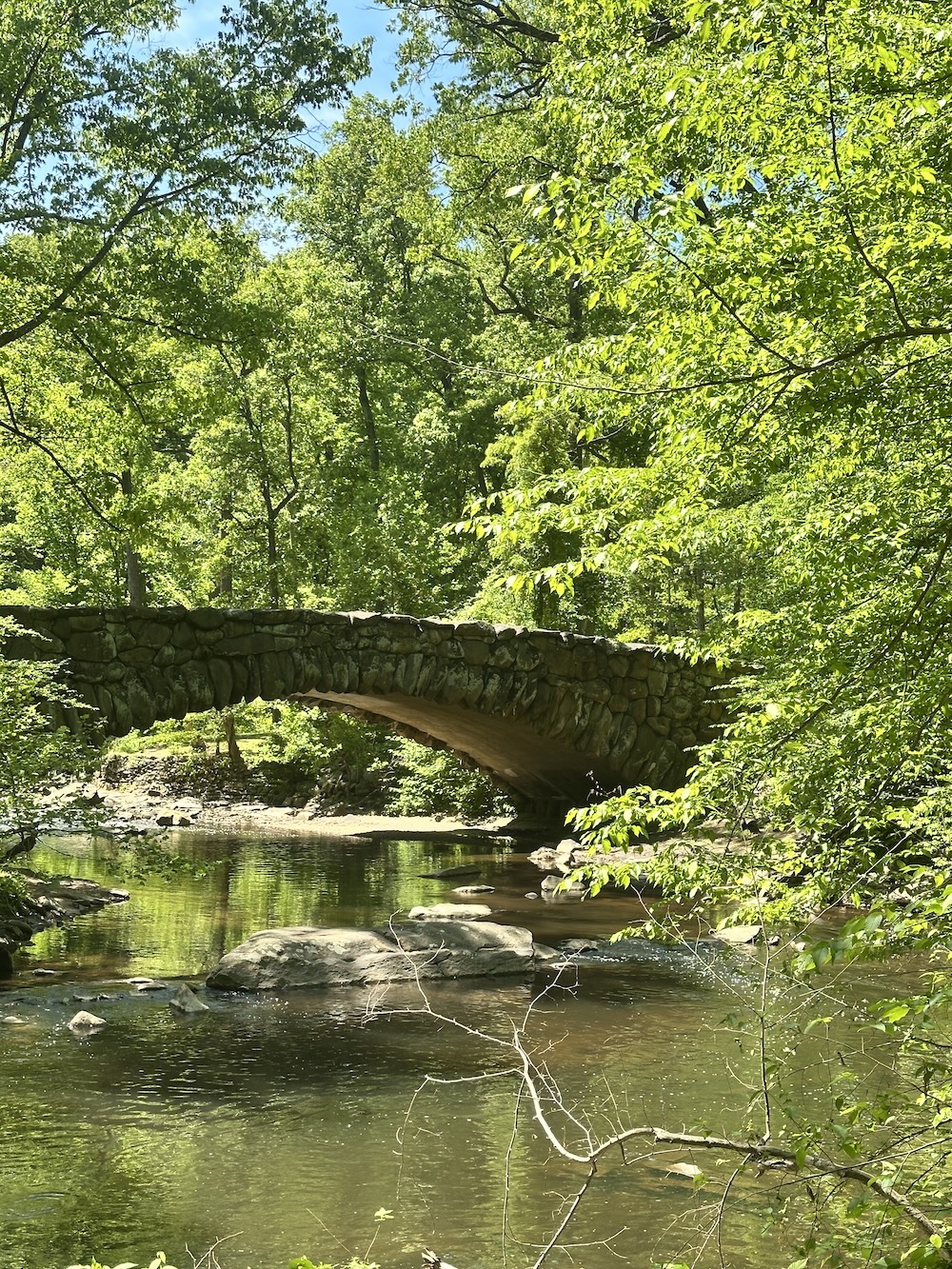
Join Rock Creek Conservancy on a tour of America’s backyard, Rock Creek Park in Washington, DC. This national park is one of America’s premier urban parks, with 1,800 of its 3,000 acres made up of mature hardwood forest across 99 individual reservations and more than 70 miles of edges in the heart of northwest DC. With a large area to protect and a large population to serve, the Conservancy works with Rock Creek Park and the National Park Service to engage community members in meaningful stewardship. Each year, 4,000 - 5,000 volunteers participate in public service events, and 50 - 75 Weed Warriors work independently to manage invasive plants. The event includes a guided hike highlighting the park’s biodiversity and volunteer-led invasive plant management efforts, lunch at one of the park’s scenic and secluded picnic areas, and an opportunity to observe or collaborate on hands-on invasive plant removal with the Conservancy’s large and active volunteer force. The visit highlights volunteer recruitment and coordination and allows participants to connect directly with community volunteers.

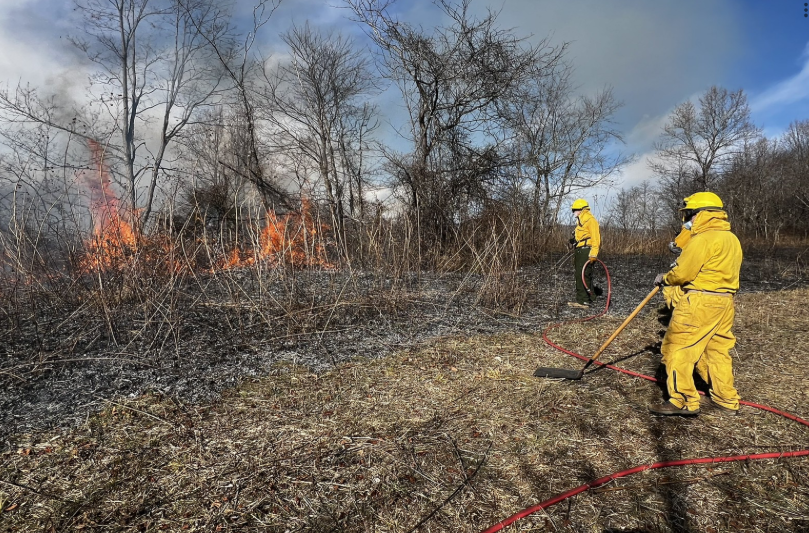
Join a visit to the Clifton Institute, a 900-acre property in rural Fauquier County, Virginia. The institute is an environmental education center and research station where staff and collaborators study how to restore native grasslands and forests. There are high-quality intact habitats on the property that are surprisingly rich given their proximity to the Washington, DC metro area. Visitors will see the only grassland restoration experiment located in the Piedmont of the eastern US, where scientists are testing eight different treatments, including prescribed fire, herbicide spraying, tilling, and seeding, to convert a non-native pasture to a diverse native grassland. The tour also includes a forest restoration experiment comparing deer exclosures and prescribed fire for bringing back wildflower diversity in the understory. Staff will also explain how they prioritize management of invasive plants such as wavyleaf basketgrass, Japanese stiltgrass, sericea lespedeza, autumn olive, and oriental bittersweet.

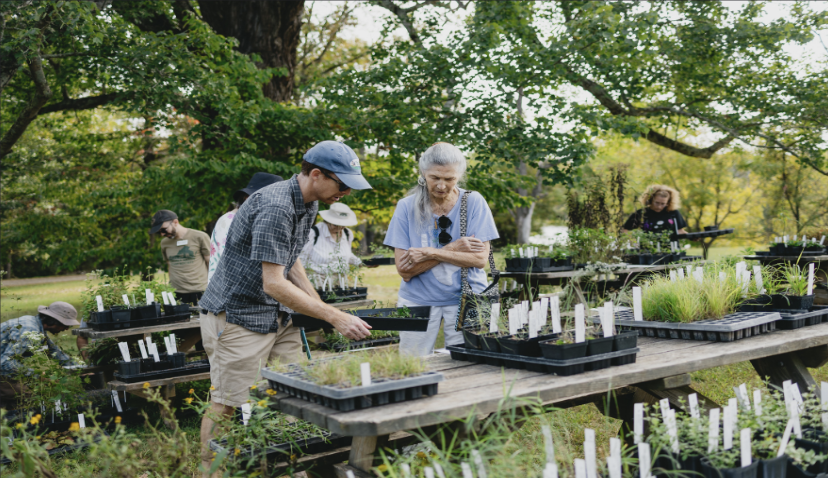
This two-part field experience presents a community-to-agriculture view of invasive species management in Loudoun County, Virginia. It begins with a firsthand look at how a county grant program reshaped a residential landscape, followed by a vineyard visit exploring the economic threat of the spotted lanternfly and the industry’s response. Attendees begin in Ashburn with a guided tour highlighting the nation’s largest county-led invasive plant removal grant program, with $4.4 million funded since December 2023. The program was created when the grassroots Loudoun Invasive Removal Alliance approached Loudoun’s Board of Supervisors to help communities overwhelmed by invasive species. It combines on-the-ground management with public education by offering private landowners grants of up to $50,000 to remove invasive plants and revegetate in exchange for outreach commitments. Participants will visit Ashburn Village, a 17,000-resident community, where an HOA used a $50,000 grant to restore a 1.25-mile lake shoreline and hear directly from residents, contractors, non-profits, volunteers, the grant administrator, and a Board Supervisor. The tour then travels to Zephaniah Farm Vineyard in Leesburg, where owner Bill Hatch and Virginia Tech’s Dr. Drew Harner will discuss the growing threat of the spotted lanternfly to Loudoun’s wine industry. After a seated lunch and tasting, participants will walk the vineyard to observe activity and management strategies in use.

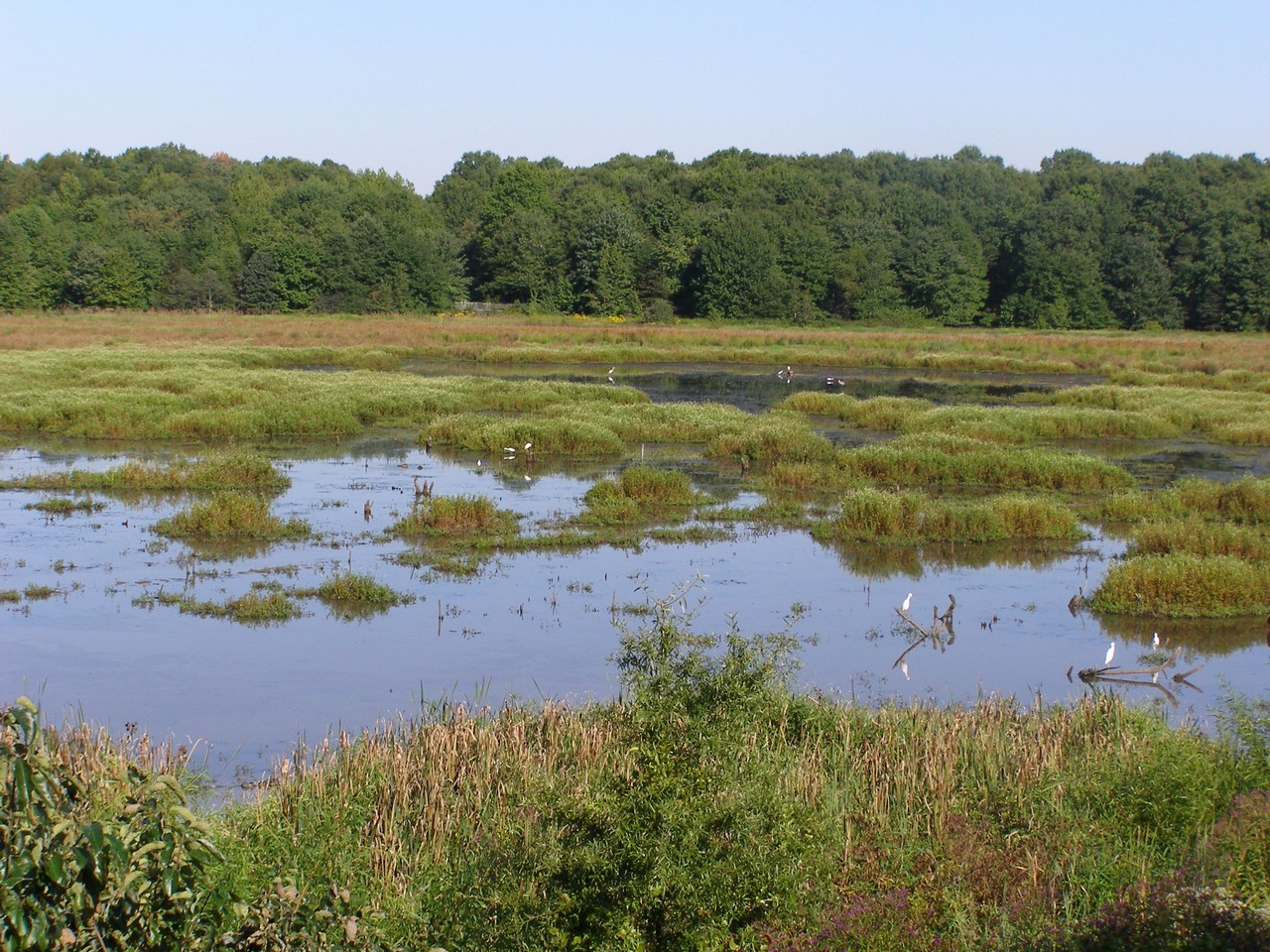
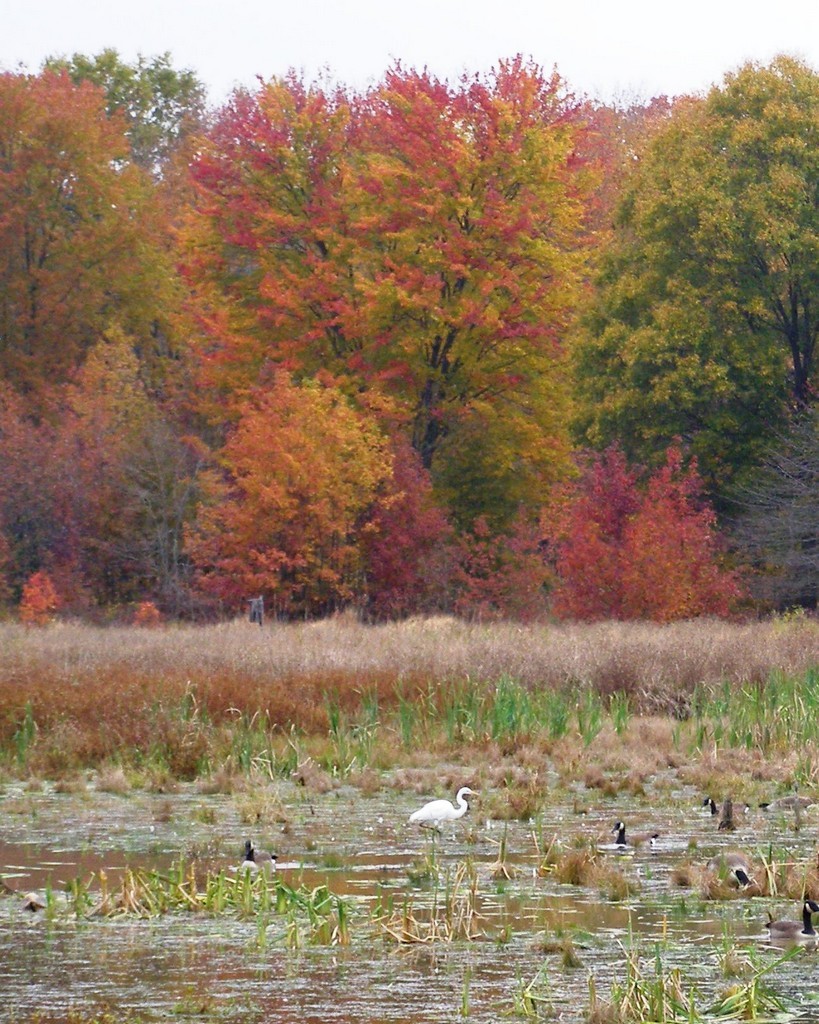
Join a visit to Huntley Meadows Park, a 1,556-acre nature park just 20 minutes from the conference site. Huntley is the largest contiguous park in the Fairfax County Park Authority system and receives more than 200,000 visitors each year. The park features the largest non-tidal wetland in Northern Virginia, along with meadows and coastal plain depression swamp habitats. The tour is split into two parts, showcasing different habitats on each side of the park. The first portion begins at the Norma Hoffman Visitor Center and proceeds to the outdoor classroom for a discussion on how staff remove a wide range of invasive plant species such as bittersweet, honeysuckle, Japanese barberry, porcelain berry, trifoliate orange, and many others. The tour then heads down the trail where staff identify invasive plants and discuss how they interact with native species. The route continues to the boardwalk to explore how the central wetland was restored, how invasive northern snakehead and Louisiana red crayfish affect the wetland, and how the system is maintained. After looping back to the visitor center, the group travels to the other side of the park off South Kings Highway for lunch at the resource management office and a visit to meadow ecosystems. Staff will discuss meadow management involving prescribed burns, bushhogging, and other techniques before finishing at the observation platform overlooking the central wetland.

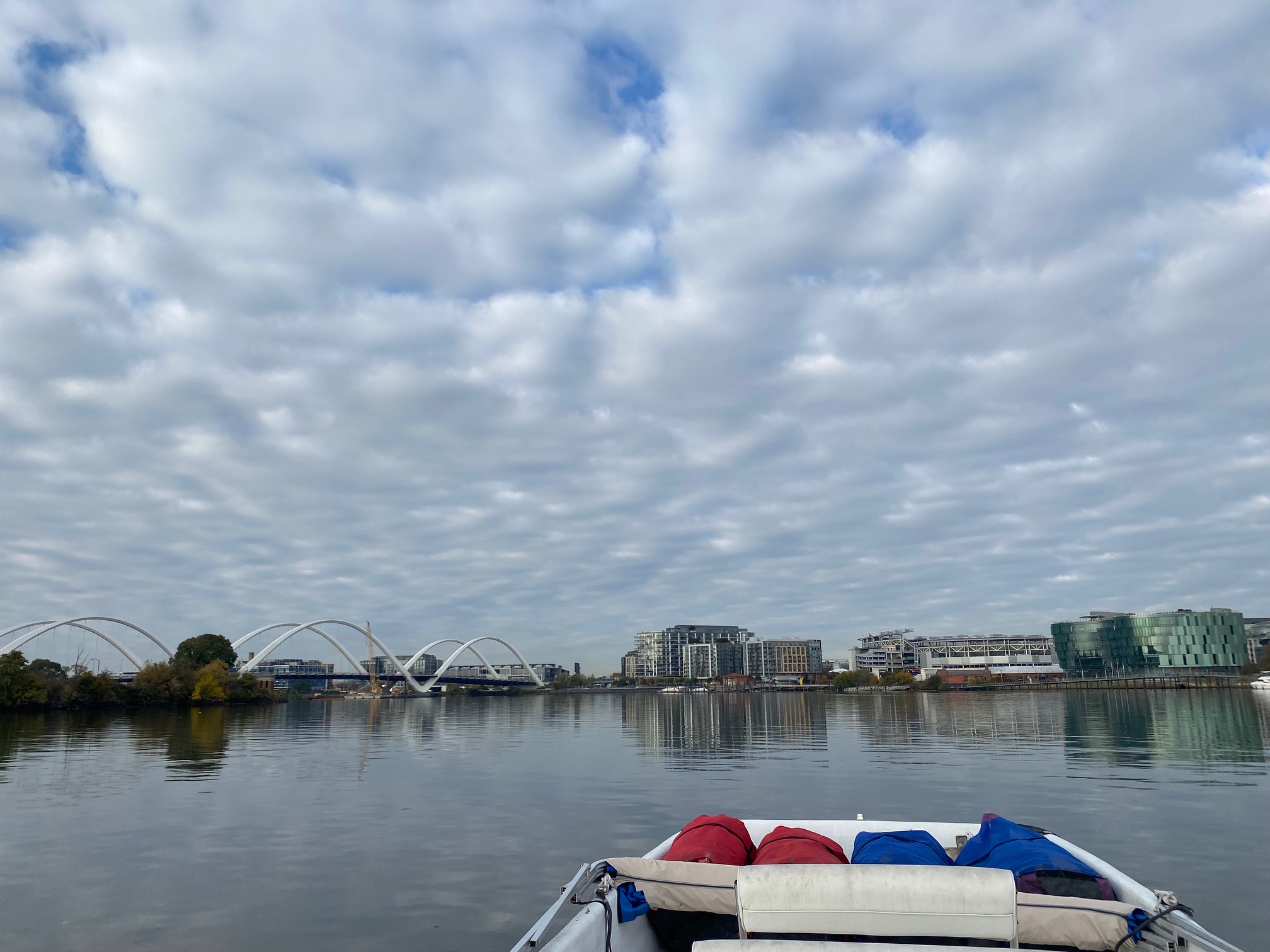
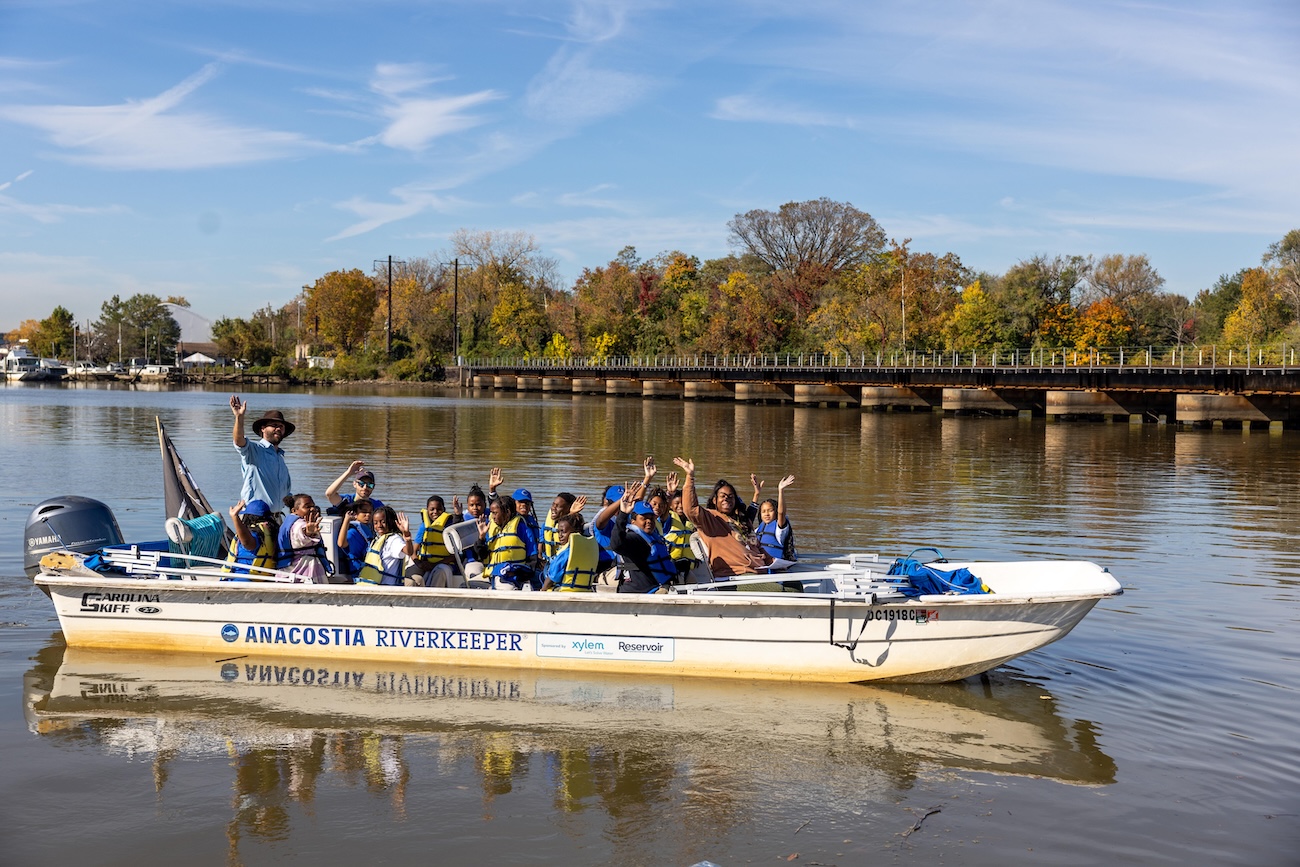
The District Department of the Environment, the Anacostia Watershed Society, and the Anacostia Riverkeeper will lead boat and walking tours of habitat restoration projects along the Anacostia River. Leaving from the boat ramp at Anacostia Park or a dock at Diamond Teague Park, the boat tour will include discussions of mussel restoration, submerged aquatic vegetation, invasive fish research and management, restoration work in the River Terrace wetland, and remediation of legacy contamination in the river. The boats will dock at Kingman Island for a lunch break followed by a 1.5-mile walking tour on gravel roads of the ecological restoration of this 40-acre island, which was created using dredged river soils in 1917. Attendees may return by boat or be picked up by bus at Kingman Island.

The Smithsonian National Zoo’s Conservation Biology Institute is a 3,200-acre conservation campus just outside Front Royal, Virginia, on the edge of Shenandoah National Park. While best known for breeding endangered species and supporting wildlife recovery around the world, the property also functions like a working landscape with barns, pastures, hayfields, and forests that must be actively managed to keep native habitat healthy. This visit highlights how habitat stewardship on the ground supports species conservation. The trip starts with a brief look at some of the Institute’s rare and exotic animals before shifting to the land itself. Participants will meet the Institute’s land manager to learn how they identify and control invasive plants, prioritize treatment areas, and restore native plant communities that wildlife depend on. Staff will also discuss landowner outreach and how sustainable farm management, including rotational grazing, field edge buffers, and targeted vegetation management, can reduce invasive pressure while improving soil and habitat quality. The trip concludes at a 10-acre deer enclosure, where the contrast between a regenerating forest understory inside the fence and browse-suppressed woods outside creates a powerful example of how deer pressure and invasive plants reinforce each other. Lunch will be provided, and the visit can be comfortably completed within about three hours.

HOSTS

invasive-species-collaborative-at-virginia-tech
[wcm_restrict]

Welcome Back.

[/wcm_restrict] [wcm_nonmember]

Welcome.

NAISMA Members direct the future of invasive species management on a continental scale. Not a member yet? Click to join.[/wcm_nonmember]
[wcm_restrict]Access Members Area[/wcm_restrict]

[wcm_nonmember]Login to your account[/wcm_nonmember]