

February 23, 2026 @ 1:00 pm – 3:00 pm CST
This webinar highlights how U.S. Geological Survey scientists are advancing innovative, science based approaches to prevent, detect, and manage invasive species across diverse ecosystems. Presentations explore the role of invasion biology within a One Health framework, emerging point of use environmental DNA tools for invasive species, parasite, and pathogen surveillance, and the use of molecular techniques to understand wildlife and fish health. Speakers also examine applied research on contaminants and health effects in aquatic systems, strategies to reduce wildfire risk from invasive vegetation in Hawaii, and the development of acoustic deterrents to control invasive carp. Together, these talks demonstrate how USGS research supports ecosystem resilience, public health, and natural resource management nationwide.
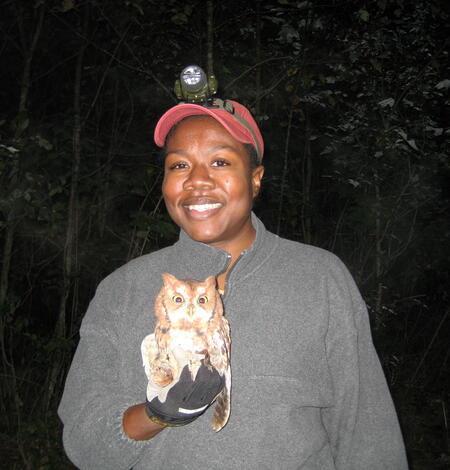
Dr. Camille Hopkins, Wildlife Disease Specialist, USGS Biological Threats and Invasive Species Program
Camille is the Wildlife Disease Specialist for the Ecosystems Mission Area. At USGS headquarters, Camille coordinates national science efforts related to aquatic and terrestrial wildlife disease. Camille will be presenting on the: Role of Invasion Biology in a One Health Approach.

Dr. Katy Klymus, Research Biologist, USGS Columbia Environmental Research Center
Since joining the USGS in 2016, Katy’s research focus has been on using genetic and genomic methods to inform wildlife species management. Currently she is studying environmental DNA methods, how they can be used to assess current levels of and changes in biodiversity, and development of standards for eDNA analyses. Katy will be presenting on the: Current Development of Point-of-Use eDNA Tools for Invasive Species, Parasite, and Pathogen Surveillance.

Dr. Heather Walsh, Research Fish Biologist, USGS Eastern Ecological Sciences Center
Dr. Walsh has focused on developing molecular techniques to better understand mechanisms associated with disease in wild fish. To serve this purpose, she has developed her skills in histopathology, in situ hybridization techniques, and laser capture microdissection. The use of these techniques has helped to understand disease observed during fish health assessments conducted in the Great Lakes and Chesapeake Bay (including the Susquehanna and Potomac River drainage). Dr. Walsh will be presenting on: Heavy Metals, PFAS, and Health Effects in Blue Catfish from the Patuxent River.
Dr. Michala Phillips, Research Ecologist, USGS Pacific Islands Ecosystems Research Center
Michala is passionate about using basic science to create knowledge that can be used to support sustainable restoration and management needs of ecosystems. She integrates community, ecosystem, plant and microbial ecology in her research by using statistical modeling to combine data from a diversity of approaches (field, greenhouse, sensor networks, soil chemistry and molecular biology techniques). Her aim is to build a better understanding of community assembly and ecosystem processes following disturbances to inform restoration and adaptive land management efforts. Michala will be presenting on: Bridging Science and Practice to Reduce Fire Risk from Invasive Vegetation in Hawaiʻi.
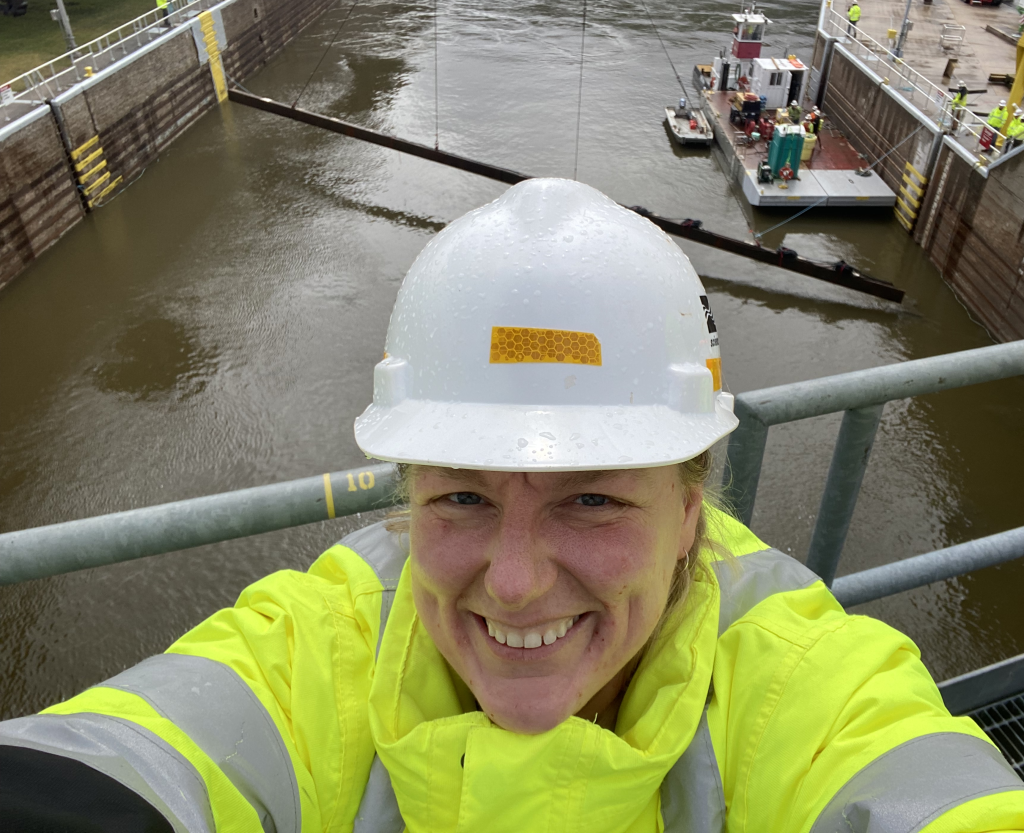
Dr. Marybeth Brey, Research Fish Biologist, USGS Upper Midwest Environmental Sciences Center
For the past five years, Dr. Brey has conducted research on the movement dynamics of invasive Asian carps, both with Southern Illinois University and with the USGS in La Crosse, Wisconsin. Dr. Brey joined the USGS in 2015 and is currently responsible for conducting research related to movement dynamics of invasive Asian carps in the Illinois River and conducting all studies related to the use of underwater sound to deter invasive fishes in collaboration with the USACE-ERDC, USGS-CERC, and University of Minnesota-Duluth. Dr. Brey will be presenting on: Developing Acoustic Deterrents for Invasive Carp Control.