

June 10, 2026 @ 1:00 pm – 2:00 pm CDT
Seed dispersal is a natural process that helps keep ecosystems healthy and resilient. However, when people visit parks, they can unknowingly carry seeds on their boots—including seeds from invasive plants—which can change what grows where. Programs like PlayCleanGo help reduce this risk by encouraging visitors to clean their gear and by providing opportunities to educate visitors and monitor seed movement. In this talk, we’ll share results from a pilot study using PlayCleanGo boot brush stations at Elk Island National Park. We found that visitors can carry up to 4,000 viable seeds in just one litre of soil, with more than 30,000 viable seeds collected at boot brush stations over a single summer. In total, 57 plant species were identified—about half of which were only found through visitor dispersal—and more than 50% were non-native. Notably, visitor-dispersed seeds were consistent across trailheads and independent of visitor volume, highlighting that visitor activity can actively homogenize the landscape and drive significant ecological change.
This webinar is being presented as part of PlayCleanGo Awareness Week, a collaborative initiative led in partnership with NAISMA, Invasives Canada, CONABIO, and partners across North America to help prevent the spread of invasive species. To learn more, visit PlayCleanGo.org.
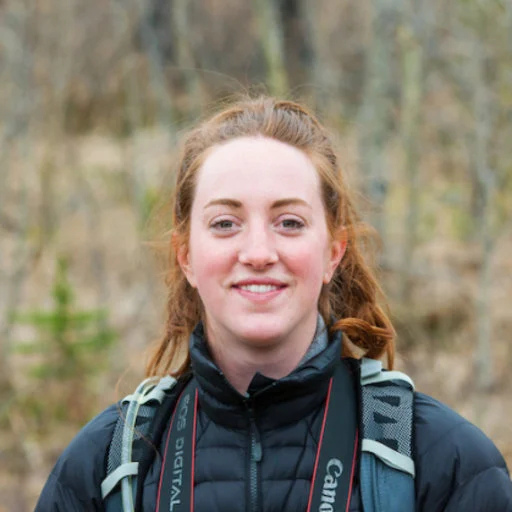
Charlotte Brown is an Ecologist Team Lead at Parks Canada, based at Elk Island National Park and an Adjunct Professor in the Biological Sciences Department at the University of Alberta. Her work focuses on invasive plant management, bison management, ecological monitoring, and supporting evidence-based decision-making to maintain ecosystem health. Charlotte completed her Ph.D. in Ecology at the University of Alberta, where her research examined species interactions and the processes shaping native grassland communities. She has since held postdoctoral fellowships at the University of Arizona and Université de Sherbrooke, where she studied long-term vegetation change and responses to global change. Her current work bridges science and management, applying ecological research to real-world conservation challenges in Canada’s protected areas.