
NISAW Webinar: Invasive Species Threaten American Food Security
NISAW
Invasive species pose a growing and often underrecognized threat to American food security, public health, and economic stability.

Invasive species pose a growing and often underrecognized threat to American food security, public health, and economic stability.

Invasive annual grasses are reshaping fire behavior across California, increasing ignition frequency and altering recovery pathways in fire prone landscapes.
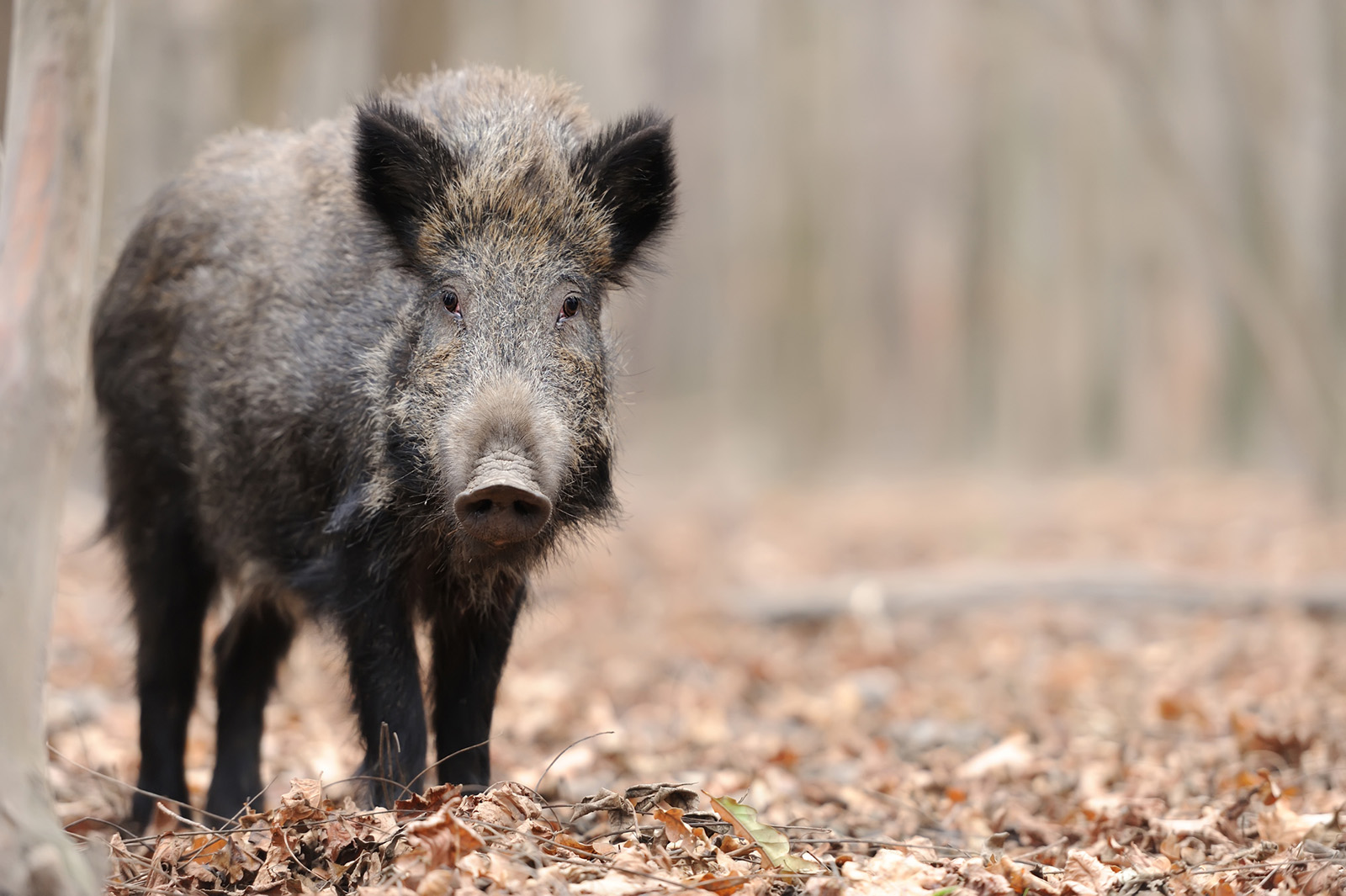
This webinar will provide an overview of the challenges associated with invasive wild pigs and describe how the NFSP is supporting efforts across the US to control wild pig populations.
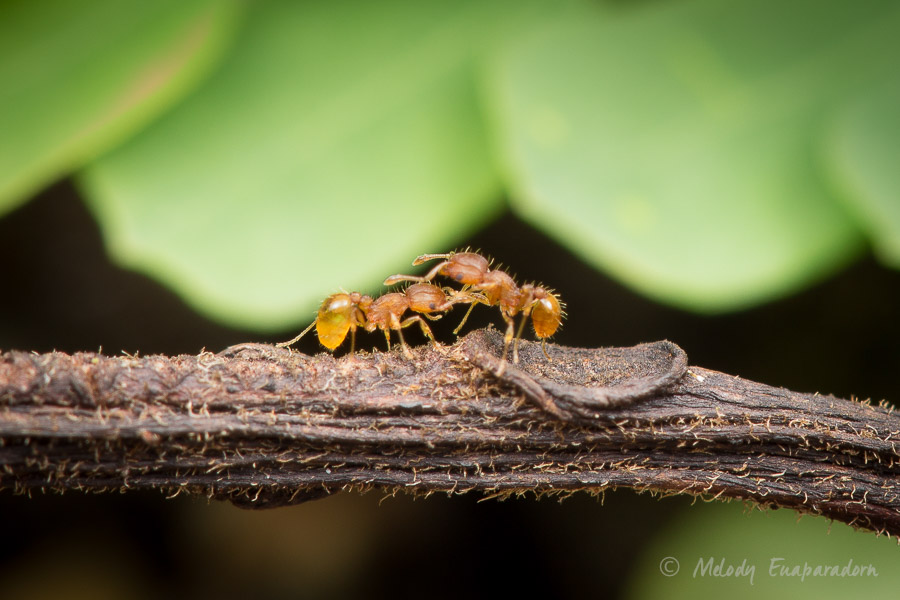
Invasive ants are spreading into new regions, disrupting ecosystems, impacting agriculture, and creating challenges for land managers and communities.

Since 2017, Minnesota’s Starry Trek Program has demonstrated how coordinated volunteer engagement can significantly expand early detection capacity for aquatic invasive species.
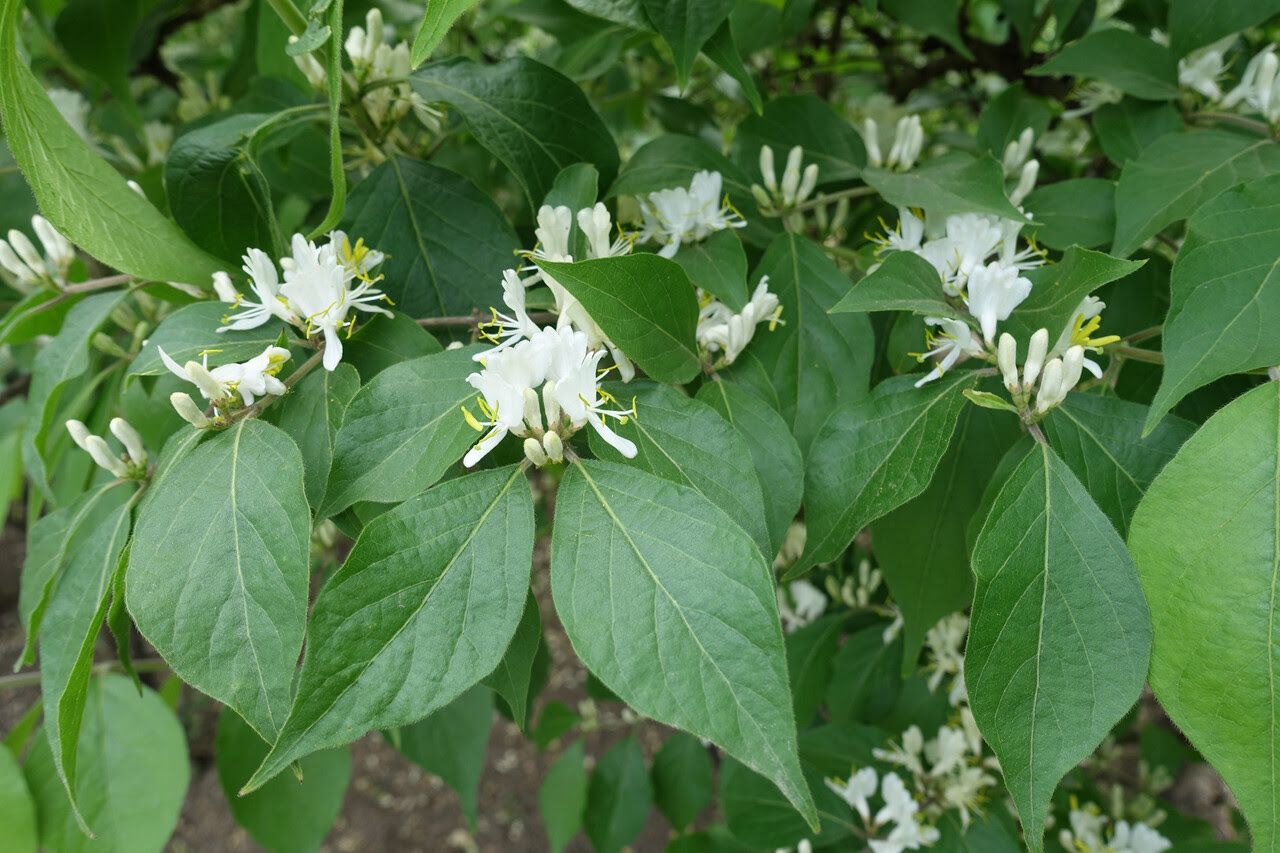
Amur honeysuckle (Lonicera maackii) is an invasive shrub native to eastern Asia that was widely planted for ornamental use and wildlife habitat.

Urban forests are on the front lines of invasive pest threats and climate uncertainty. This webinar features two practical tools that help communities assess risk, strengthen preparedness, and respond strategically to emerging forest pests.

Invasive blue catfish (Ictalurus furcatus) have become an increasingly prominent species in the Chesapeake Bay watershed, raising important ecological and management questions.
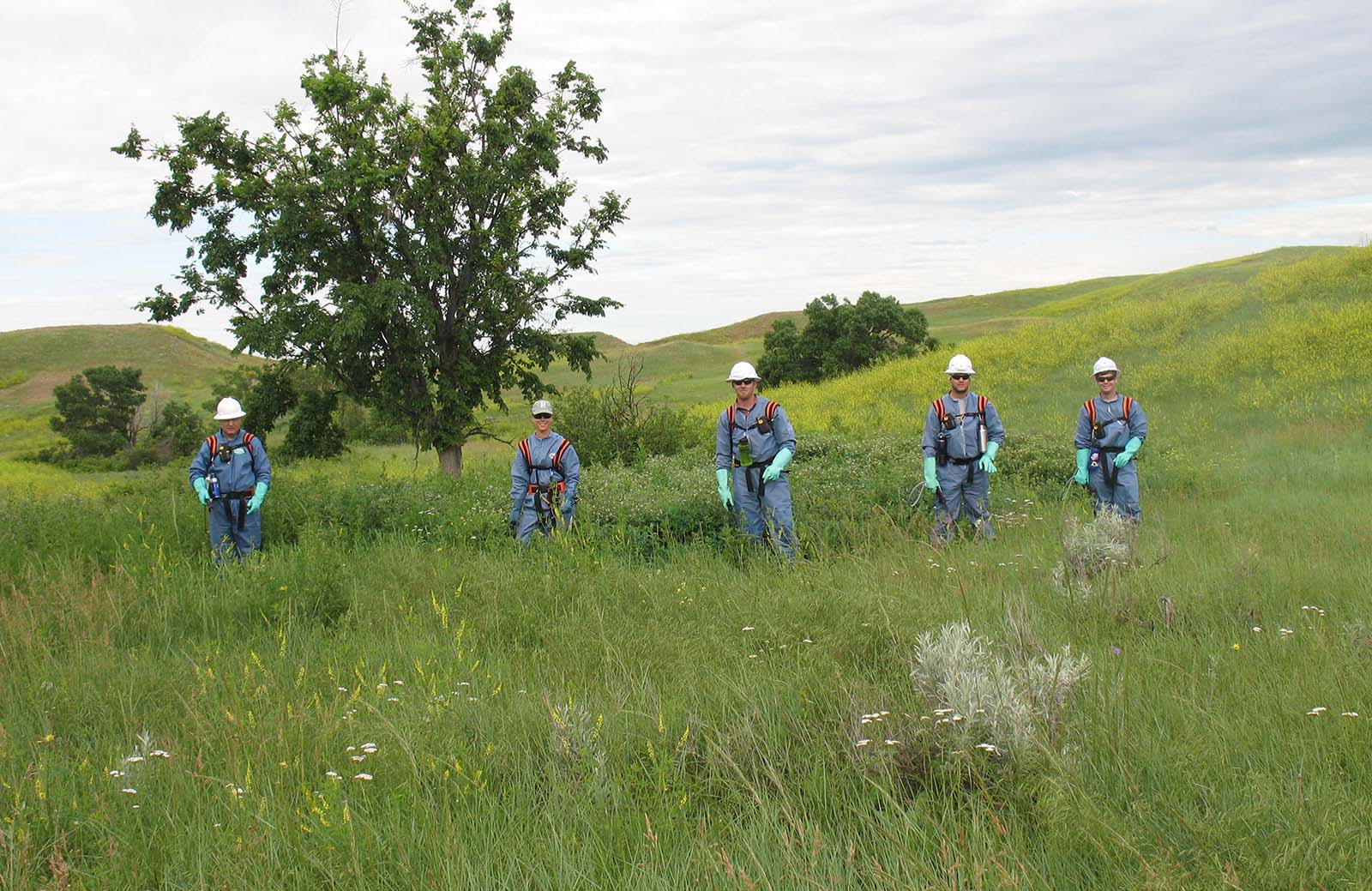
The Interjurisdictional Invasive Species Rapid Response Team (IInSRRT) is a program being designed to support or lead, as requested, rapid response actions across jurisdictions in support of lead management authorities, such as DOI land management agencies, states, tribes, and territories.