
Last IDEA Committee Meeting of the Year
Committee Meetings
Join us for the last meeting of IDEA Committee members for 2022. Email for Zoom details.
Join us for the last meeting of IDEA Committee members for 2022. Email for Zoom details.
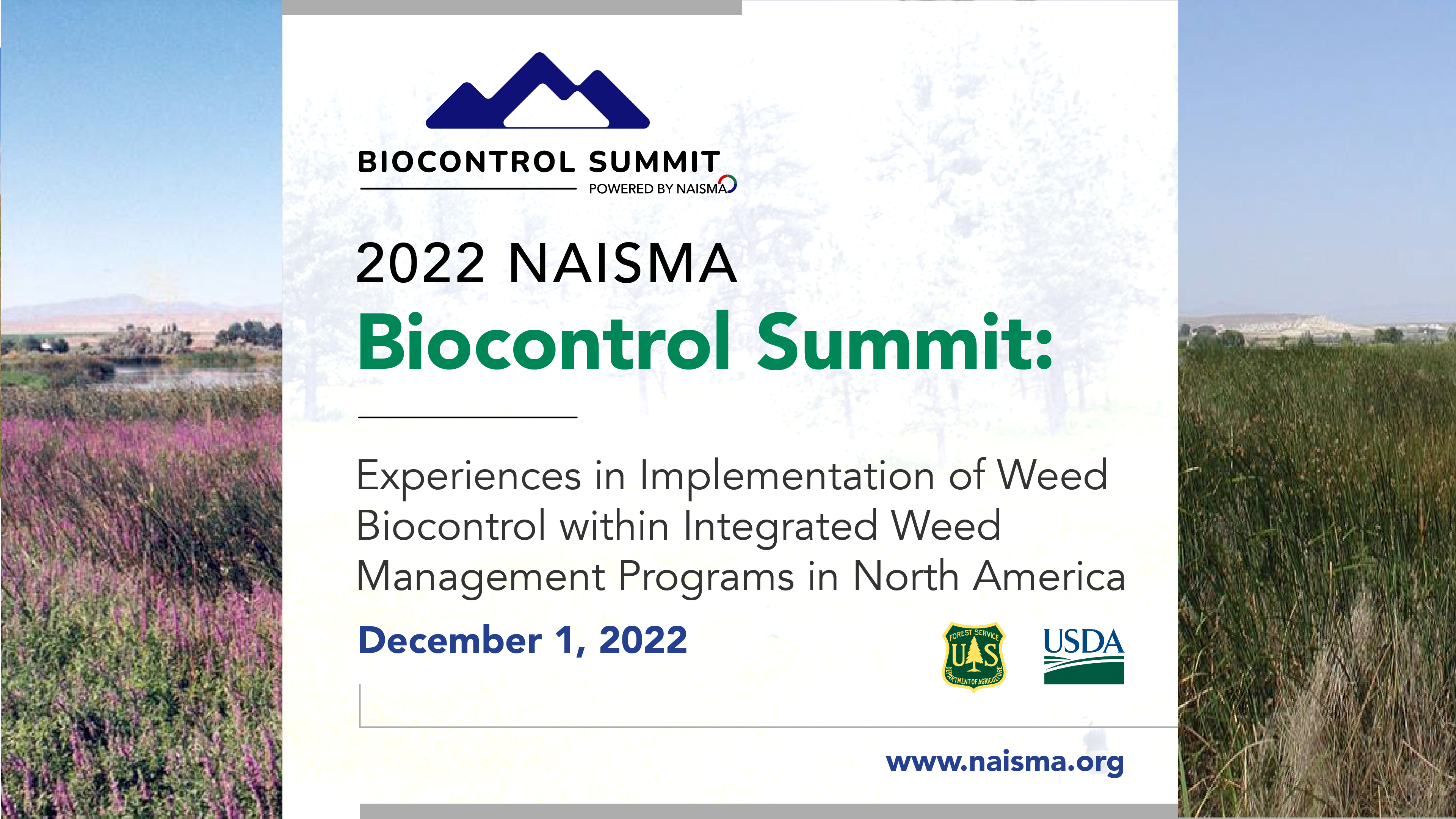
NAISMA’s Annual Weed Biocontrol Summit communicates the latest in weed biocontrol research to North American invasive plant managers and educators. The Summit aims to connect researchers to on-the-ground practitioners and experiences. In 2022, we are focusing on weed management practitioners who utilize weed biocontrol within their integrated weed management programs throughout North America. Managers and […]

Understanding ISPM 15 to Reduce the Risk of Pests in Wood Packaging Presented by: Brad Gething, Vice President of Science and Technology, National Wooden Pallet and Container Association Registration Link → […]

Speakers - Chris Macaluso, Director of the Center for Marine Fisheries for the Theodore Roosevelt Conservation Partnership, and Clay Crabtree, Director of Federal Government Relations for the National Marine Manufacturers Association An Aquatic Invasive Species (AIS) Commission was enacted over the last year by the Theodore Roosevelt Conservation Partnership, along with leading organizations in outdoor […]
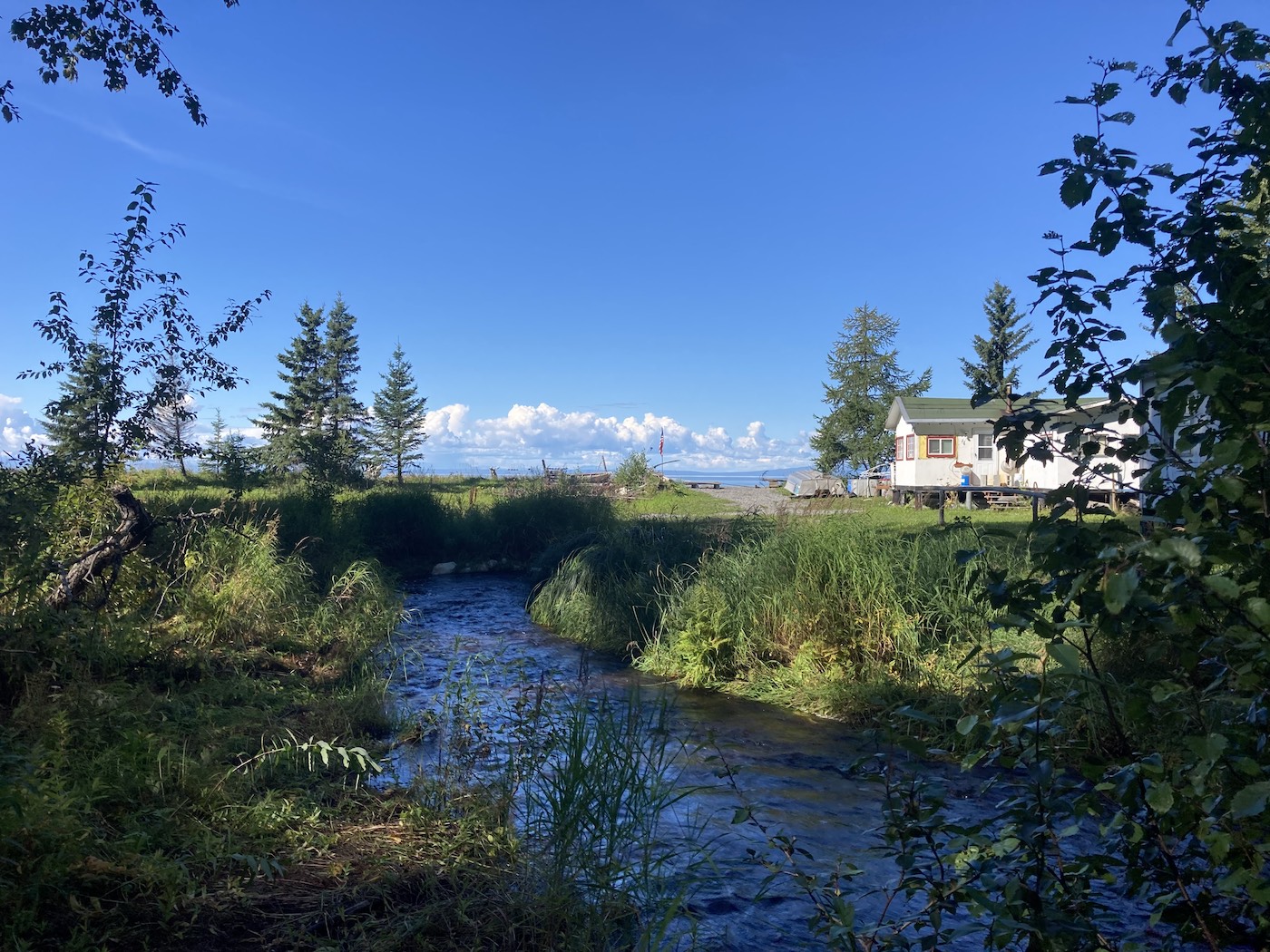
Salmonids are critical components of the transitional boreal forest and temperate rainforests of Alaska’s Kenai Peninsula. Alaska Natives and the local economy are dependent upon subsistence, recreational, and commercial fisheries that target these species. Invasive Northern Pike (Esox lucius) (pike), which prey upon and threaten local salmonids, were thought to have been eradicated from the Kenai Peninsula across multiple waterbodies in early 2019 following a concerted multi-year effort by Alaska Department of Fish and Game (ADF&G).
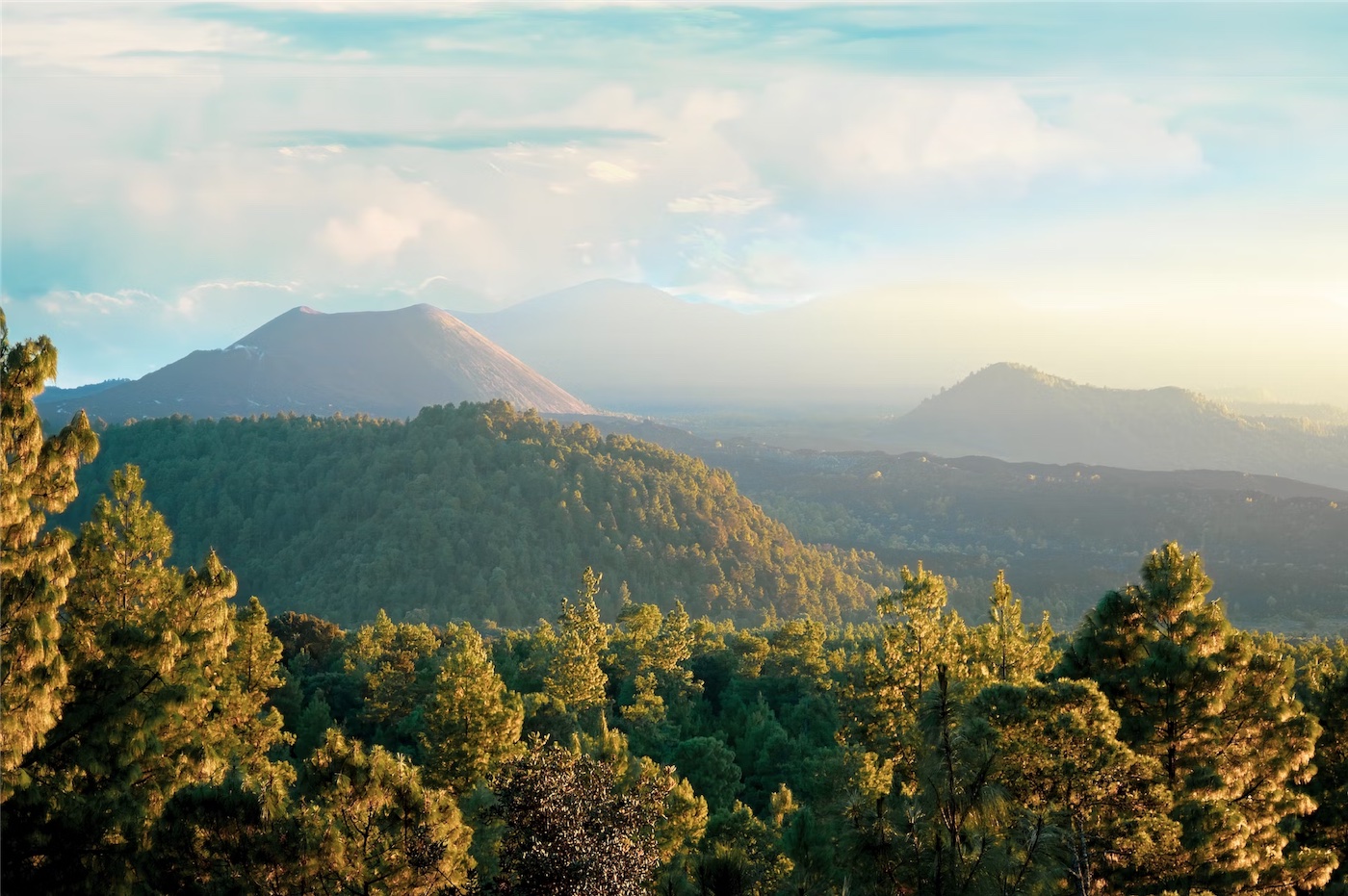
As the fifth mega diverse country, and with invasive species identified as the third cause of biodiversity loss, Mexico has been working more and more towards addressing this relatively new topic.
Congress utilizes legislation titled the Water Resources Development Act (WRDA) to authorize and guide the U.S. Army Corps of Engineers (USACE). Since WRDA 1986, Congress often has considered a WRDA biennially. The most recent WRDA was passed in 2022 as part of an omnibus appropriations and authorizations act (PL 117-263). The WRDA not only authorizes […]
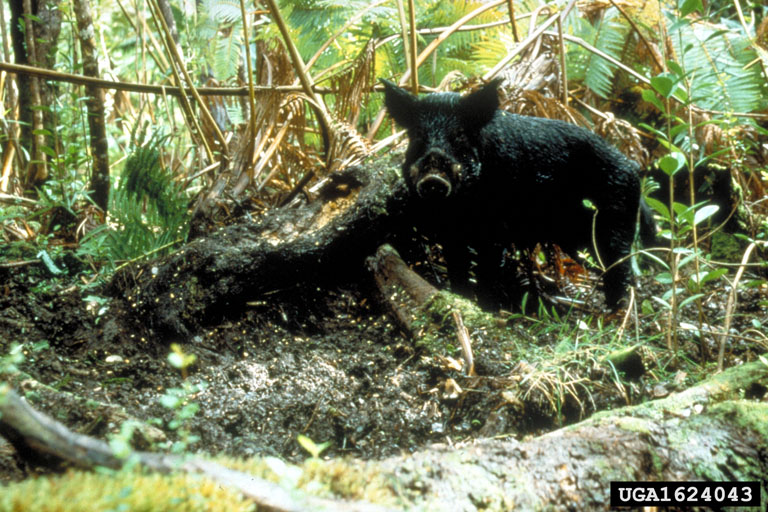
Natural resource managers throughout North America have identified feral swine as a significant challenge. This invasive species has emerged as a major environmental and economic concern as populations have exploded. Not only do they destroy crops, disrupt natural habitats, and prey on native species, they also can harbor and transmit disease. They exist across North […]

EDDMapS (Early Detection and Distribution Mapping System) is a web-based mapping system for documenting invasive species and pest distribution. It is fast, easy to use, and doesn’t require Geographic Information Systems experience. Attendees are required to complete EDDMapS 101 and 102 trainings prior to attending either live or by watching the recordings.

American bullfrogs (Lithobates catesbeianus) are not native to western North America and threaten dozens of Species of Greatest Conservation Need and many federally Threatened or Endangered species. Control or eradication of American bullfrogs may seem impossible. However, a handful of success stories demonstrate that control is possible and benefits native frogs. Yosemite National Park in […]

PlayCleanGo®: Stop Invasive Species In Your Tracks® is NAISMA’s official, branded, registered, trademark-protected education and outreach program aimed at stopping the spread of invasive species through outdoor recreational pathways. The international campaign is grounded in a Community Based Social Marketing (CBSM) strategy. Thanks to past support from the USDA Forest Service and USDA APHIS, and […]
