Hydrilla, an invasive aquatic plant, has a profound impact on the ecosystems it invades, causing widespread disruption to native plant and animal species. Understanding the hydrilla impact on the ecosystem is essential to mitigating the damage it can cause, as its rapid growth and ability to outcompete native plants make it one of the most destructive aquatic invaders in North America.
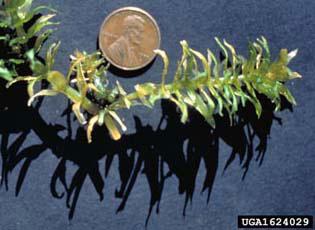
What Is Hydrilla?
Hydrilla (Hydrilla verticillata) is a submerged aquatic plant native to Asia and Africa. Introduced to the United States in the 1960s, it was originally sold as an aquarium plant, but it quickly spread to freshwater lakes, ponds, and rivers. Once established, hydrilla grows rapidly, forming dense mats that choke waterways, block sunlight, and drastically alter the water chemistry. These changes create serious challenges for the ecosystems it invades.
Hydrilla Impact on the Ecosystem
The hydrilla impact on the ecosystem is primarily felt through its ability to outcompete native aquatic plants. Hydrilla grows in dense, thick mats, blocking sunlight from reaching the native vegetation below. This causes native plants to die off, disrupting the food web and leaving animals that rely on these plants for food and shelter struggling to survive.
Another major effect is the way hydrilla reduces oxygen levels in the water. As hydrilla mats decompose, the process consumes large amounts of dissolved oxygen, which can lead to oxygen depletion or “hypoxia.” This can harm or even kill fish and other aquatic organisms, further destabilizing the ecosystem.
Hydrilla and Water Quality
Beyond the direct hydrilla impact on the ecosystem, hydrilla also significantly reduces water quality. By blocking sunlight, it encourages the growth of harmful algae, which can further reduce oxygen levels and produce toxins harmful to fish, wildlife, and even humans. In addition, hydrilla’s dense growth makes recreational activities like boating, swimming, and fishing nearly impossible in heavily infested areas, impacting both the environment and local economies.
Preventing the Spread of Hydrilla
Managing the hydrilla impact on the ecosystem requires a coordinated effort. Prevention is key, as once hydrilla establishes itself, eradication is extremely difficult. Boaters and anglers are encouraged to clean, drain, and dry their boats and equipment before moving between water bodies to prevent the spread of hydrilla fragments. Early detection programs and targeted herbicide treatments are also essential tools in reducing hydrilla infestations and minimizing damage to ecosystems.
The hydrilla impact on the ecosystem is significant and far-reaching, disrupting native habitats, reducing water quality, and causing economic losses. As awareness grows, we must continue to invest in prevention, management, and restoration efforts to protect our water bodies from this highly invasive species. By taking action now, we can help mitigate the negative effects of hydrilla and preserve the health of our aquatic ecosystems for future generations.