

September 9, 2026 @ 11:00 am – 3:30 pm CDT
The North American Invasive Species Management Association’s inaugural eDNA Summit: From Detection to Decision: Environmental DNA for Invasive Species Management will be held virtually on September 9, 2026, from 11:00 a.m. – 3:30 p.m. Central. This summit will explore how environmental DNA (eDNA) is transforming invasive species management by providing powerful new tools for early detection, monitoring, and decision making. The event will bring together researchers, natural resource managers, and practitioners from across North America to share practical applications, emerging technologies, and lessons learned from implementing eDNA in real-world management programs.
As eDNA becomes an increasingly valuable tool for invasive species management, natural resource professionals are looking beyond the science to understand how it can be effectively integrated into operational programs. This summit is designed to bridge that gap by highlighting how eDNA is informing management decisions in both aquatic and terrestrial ecosystems.
Through presentations from leading experts, participants will explore the full spectrum of eDNA applications from early detection and surveillance to emerging technologies and successful implementation. Sessions will feature case studies demonstrating how eDNA is helping guide invasive species management while also addressing the partnerships, standards, and practical considerations needed to move this technology from research into routine practice.
Presentations
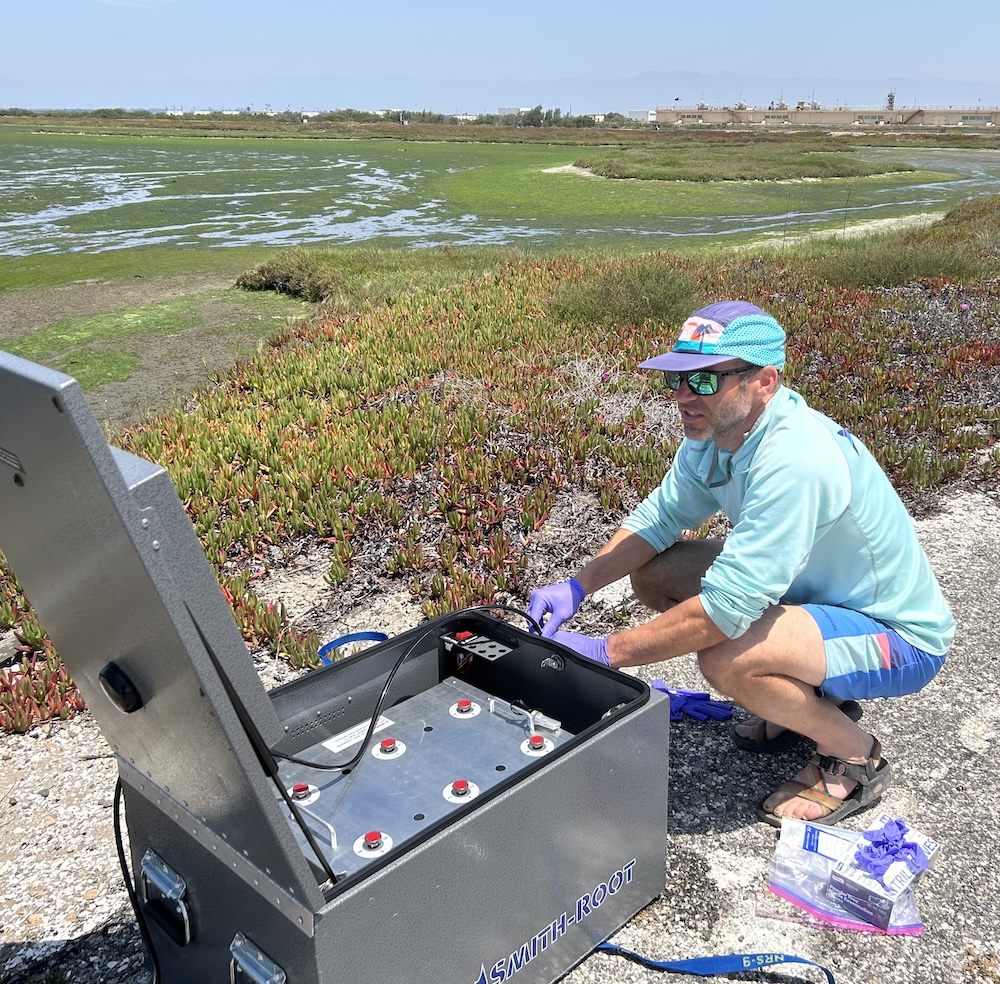
Environmental DNA and the Future of Invasive Species Management
Presented by Adam Sepulveda, USGS
Adam Sepulveda is a Research Zoologist with the U.S. Geological Survey’s Northern Rocky Mountain Science Center in Bozeman, Montana. Adam leads regional and national-level research programs on aquatic invasive species and biological threat surveillance, with a focus on the development, validation and application of environmental DNA (eDNA) tools. Currently, he is the coordinator of the Rapid Environmental DNA Assessment and Deployment Initiative & Network (READI-Net) that is developing eDNA autosampler platforms and workflows to enhance early detection capacity for aquatic invasive species.

Establishing Species Baselines and Monitoring Mexico’s Inland Aquatic Systems Using Environmental DNA
Presented by Manuel Elías Gutiérrez, ECOSUR
Manuel is full-time researcher at the ECOSUR since 1997, and is the Representative of Mexico in the megaproject International Barcode of Life. He graduated as a Biologist by the National Autonomous University of Mexico, both in Aquatic Ecology. His current research theme is the taxonomy and ecology of freshwater zooplankton, with emphasis on the southeastern region of our country. He has participated in the description of new Mexican species, genus and subfamily of copepods. He has given lectures and talks in many countries including Canada, Korea, Germany, China, etc.
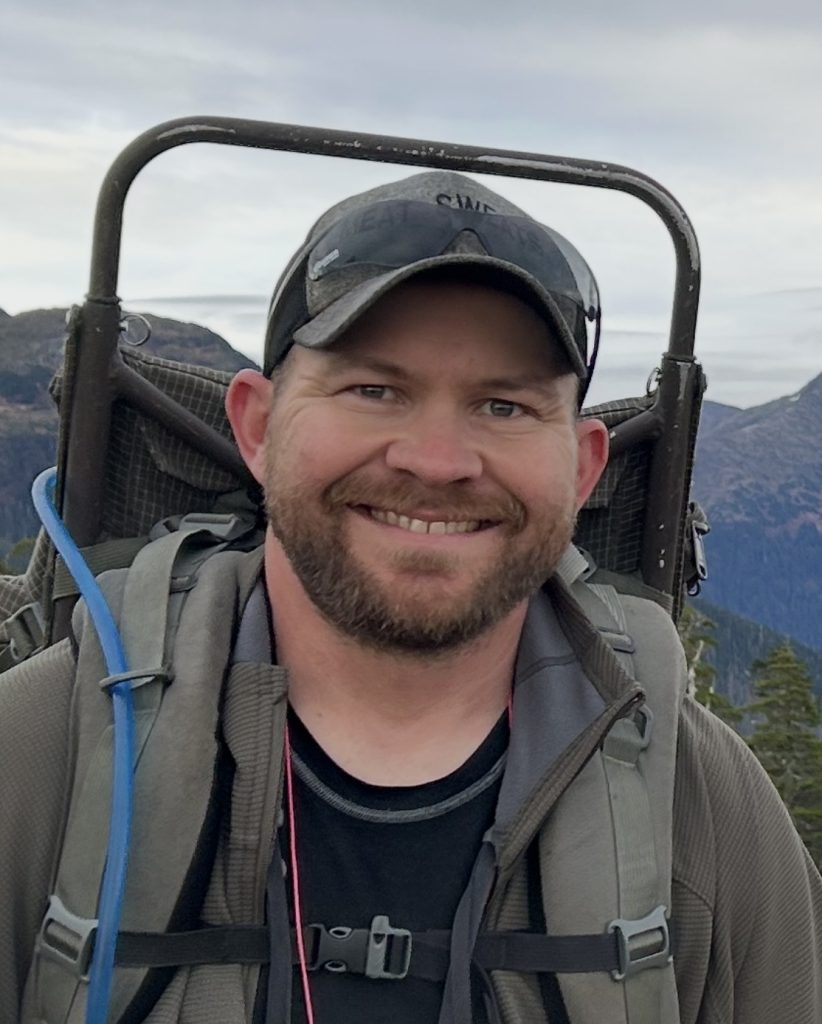
Using eDNA for Invasive Northern Pike Detections in Southcentral Alaska
Presented by Parker Bradley, Alaska Department of Fish and Game
This presentation will go over a brief background of invasive northern pike in Southcentral Alaska and highlight the eDNA work we have done to detect northern pike. Parker will highlight one particular case study in the Cottonwood Creek drainage where both spring, fall, and winter sampling occurred to detect a small population of invasive pike.
Parker Bradley is the Region II Invasive Species Coordinator for the Alaska Department of Fish and Game Division of Sport Fish. He’s been in this role since January, but previously he was an Invasive Species Biologist, focusing mainly on invasive pike since 2018. Prior to that he was a Habitat Biologist with ADF&G. He earned his master’s degree in Fisheries at the University of Alaska Fairbanks and received his bachelor’s from the University of Kentucky and University of Montana.

Lessons from the Golden Mussel Response: Using eDNA for Early Detection and Coordinated Monitoring
Presented by Dr. Yale Passamaneck, Bureau of Reclamation
The golden mussel (Limnoperna fortunei) is a freshwater bivalve that is native to China. Introduced populations have spread widely in East Asia and South America and have caused significant impacts to water distribution and hydropower operations due to the high densities at which this fouling species can settle on hard substrates. In late 2024 the species was discovered in the Sacramento-San Joaquin River Delta in California, the first identification of the species in North America. Since that identification, the Bureau of Reclamation, the State of California, and other agencies have collaborated to optimize methods for environmental DNA (eDNA) detection of golden mussels, and the Bureau of Reclamation’s Invasive Species Laboratory has deployed eDNA monitoring for golden mussels across the Western United states.
Yale Passamaneck has been a biologist with the Bureau of Reclamation’s Invasive Species Laboratory in Denver for 11 years and has used molecular biology tools to study a wide variety of invertebrate taxa for the last 28 years. At Reclamation, Yale has focused on the use of environmental DNA (eDNA) and genomic tools for early detection, monitoring, and biocontrol of invasive mussel populations, as well as other nonindigenous and native aquatic species. Since the identification of golden mussel populations in 2024, Yale has collaborated with the State of California and other agencies on the optimization and deployment of eDNA assays for the early detection of this rapidly spreading invasive species.

Applying Environmental DNA to Terrestrial Invasive Species Detection and Management
Presented by Toni Piaggio, USDA APHIS
I will share how we have applied eDNA for detection of invasive terrestrial species in adaptive management contexts. The next frontier is using this tool for genetic biocontrol monitoring and validating field-based tools for rapid assessments.
My research focuses on the application and development of genetic tools by combining data from these tools and natural history approaches to aid and inform management of wildlife and wildlife pathogens. I have focused on encouraging and facilitating collaborative efforts with various management agencies to inform management actions. I find it very rewarding to coordinate the various interests of multiple agencies and other groups to achieve a common goal of managing human-wildlife conflict while protecting biological diversity.

Development of multiplex digital PCR assays for eDNA monitoring of invasive reptiles in Florida, USA
Presented by Melody Bloch, University of Florida
Florida, U.S.A., is a known hotspot for biological invasions. The impact of invasive reptiles on Everglades restoration efforts is of particular concern. Invasive reptiles are often sympatric and have been expanding their ranges in Florida, increasing the need for multi-taxa detection and monitoring capabilities. Traditional methods for monitoring invasive reptiles, such as visual detection, have been unreliable since species are often cryptic or difficult to access. Environmental DNA monitoring is a promising solution to this issue. We developed and optimized multiplex digital PCR assays for the simultaneous detection of multiple invasive reptile species in Florida. Targeted taxa include constrictor snakes, crocodylians, monitor lizards, and tegu lizards. These assays are highly specific to the corresponding target species, with no cross-amplification and high levels of sensitivity. In addition to water samples, we explore applications of these assays for detection in soil, vegetation, and mosquitoes.
Melody Bloch is a PhD student in the Vector Entomology Lab at the UF/IFAS Fort Lauderdale Research and Education Center. She received her bachelor’s and master’s degrees in entomology and nematology from UF. Her prior research focused on using molecular techniques to improve the detection of plant pathogens and their vectors. Now, her focus has expanded to using these techniques, along with environmental DNA, to detect and monitor a variety of invasive species.

Use of eDNA in the early detection of forest insect pests: finding the needle in the haystack
Presented by Julie Lockwood, Rutgers University
There has been substantial recent progress in deploying environmental DNA (eDNA) for early detection of invasive forest insect pests, a critical challenge because management success often depends on detecting species at very low abundance. I highlight the limitations of conventional forest insect pest surveillance, in which detection probability is constrained by pest abundance, trap efficiency, and sampling effort. I detail the development of a tree-surface eDNA sampling pipeline with contamination controls and demonstrate its applications for detecting satellite populations of spotted lanternfly (Lycorma delicatula) across a large highway network. Our highway corridor surveys showed extensive eDNA detection across New York State and a marked improvement in detection probability compared with conventional approaches, offering a rapid, scalable surveillance method. We are developing similar approaches to those used for other impactful insect pests of North American forests, learning with each application. Based on our experience thus far, we have posited that eDNA technology is operationally ready, though regulatory frameworks, standardization, communication, and cost reduction remain important challenges.
A Rutgers faculty member since 2004, Julie Lockwood is a global leader in the study of invasive species and the negative economic, ecological, and social impacts they can impose. Julie has provided critical scientific evidence for the conservation and restoration of biodiversity in the face of climate change. Her work on the rising rates of species invasions and extinctions has led to widespread recognition of global-scale shifts in biodiversity, which she and her colleagues have termed “biotic homogenization.” She is fellow of the American Association for the Advancement of Science (AAAS) and the Ecological Society of America, and she contributes to the United Nations intergovernmental Science-Society Platform on Biodiversity and Ecosystem Services. Julie served as Interim Director of the Rutgers Institute of Earth, Ocean, and Atmospheric Sciences from February, 2022 until September of 2023.
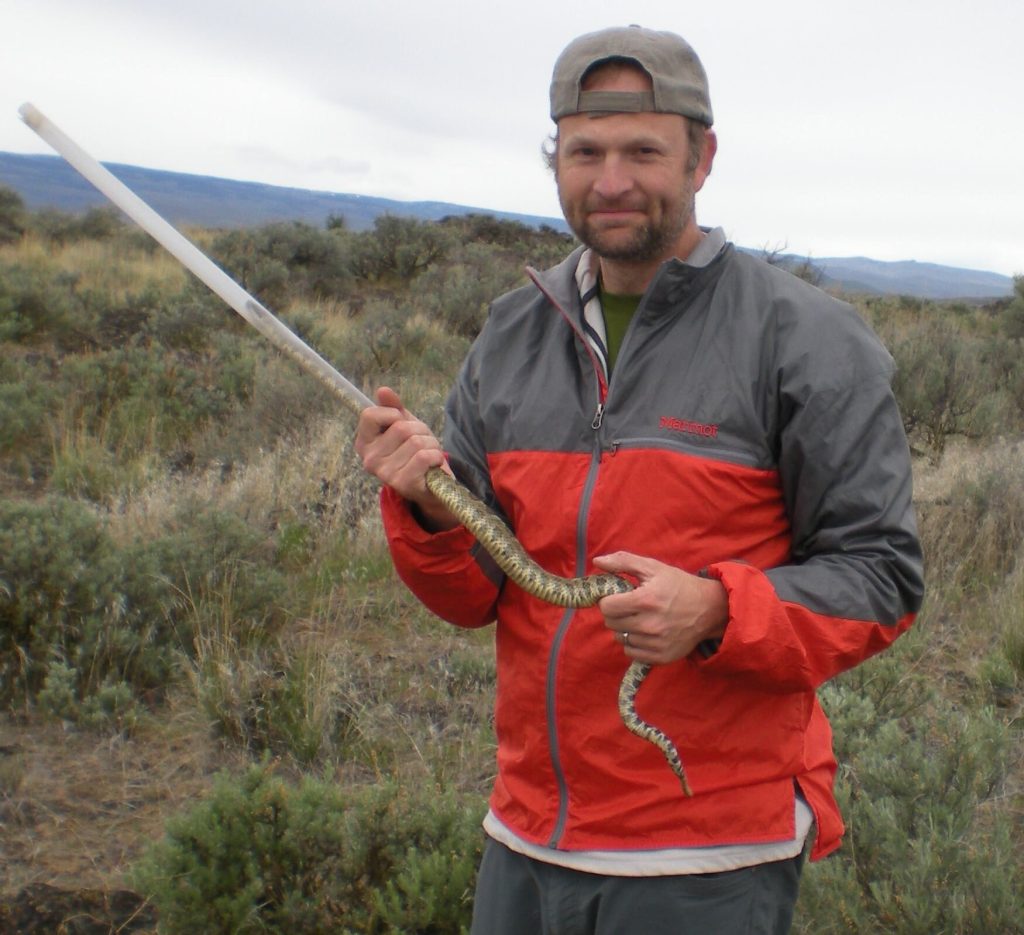
Evaluating the potential of airborne eDNA for invasive species detection in shipping containers
Presented by Stephen Spear, USGS
Cargo shipments remain a primary pathway for the accidental introduction of invasive species to remote Pacific islands, posing significant biosecurity risks. Visual inspections are often insufficient due to the complexity of cargo and the small size of many invasive insects. We evaluated whether airborne eDNA could detect invasive insects using both an experimental trial and a real-world shipment example. Using fan-powered filters, we successfully detected eDNA from invasive ants and mosquitoes in the experimental setup, and from a diversity of invertebrate taxa in the real-world shipment. However, our results showed that airborne eDNA inside containers can originate from both internal and external sources, making it challenging to pinpoint the exact location of the pests. This emphasizes the importance of refining protocols to ensure reliable detection and minimize false positives. As this technology advances, airborne eDNA could provide managers with a sensitive, practical tool for early detection and prevention of pest introductions via cargo shipments, ultimately strengthening island biosecurity.
Stephen began his career as a conservation scientist with the Orianne Society, a reptile and amphibian conservation organization and concurrently as a visiting scientist with the University of Idaho. During this time he worked on landscape genetics of snakes, developed an eDNA monitoring program for eastern hellbender, and initiated a bushmaster conservation program in Costa Rica. After six years at Orianne Society, he worked for four years as Director of Wildlife Ecology at The Wilds, an Association of Zoos and Aquariums institution in eastern Ohio, where he oversaw hellbender and American burying beetle headstarting and reintroduction, conducted site-level ecological studies, and continued his work on eDNA and genomic projects. His USGS research portfolio includes advancing environmental DNA detection and use as an early detection and rapid response tool for management of invasive species.
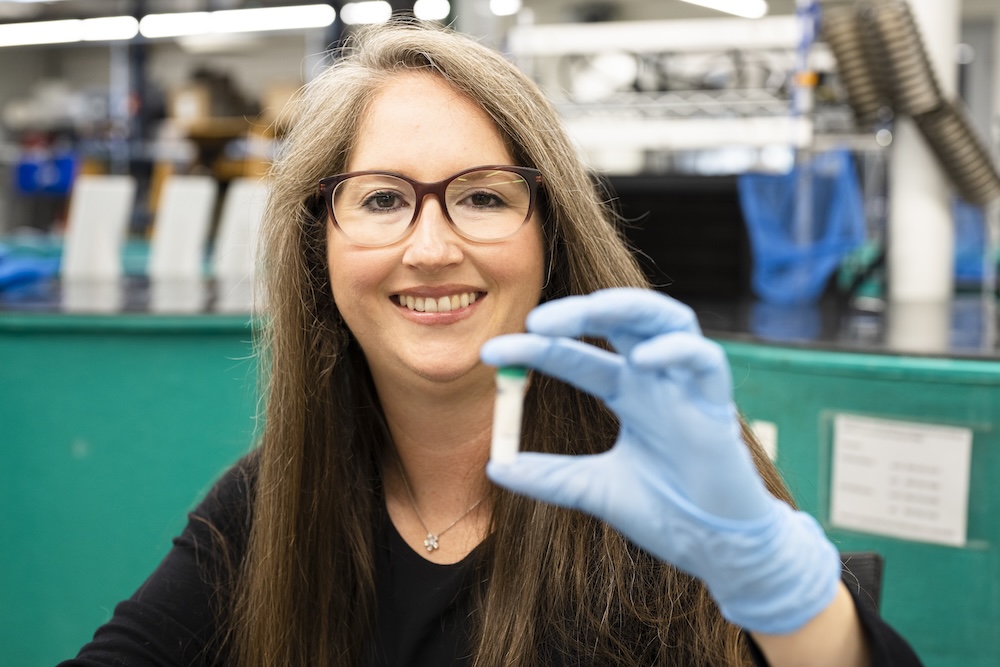
Sample. Sense. Respond. – Autonomous Robotics for Real-Time eDNA Monitoring
Presented by Kristine Moody, Oak Ridge National Laboratory
This talk explores the transformative role of autonomous robotics in aquatic biodiversity assessments, marking a shift from labor-intensive manual methods to a new era of persistent, high-resolution monitoring. It provides an overview of eDNA sampling and sensing requirements for real-time mitigation and management, the commercial landscape of automated systems, and emerging technology that will accelerate eDNA monitoring at scale. This talk will also touch on the ORNL-developed eDNA-bot, a system that has evolved from a manual benchtop prototype into a single-use cartridge platform. By integrating a novel pump-free water intake mechanism and specialized eDNA capture chemistry with real-time species sensing, eDNA-bot eliminates cross-contamination risks and reduces the operational footprint. Ultimately, the advancement of fit-for-purpose autonomous eDNA systems will facilitate real-time invasive species detection, providing the critical biological insights necessary to enable rapid management responses in dynamic aquatic environments.
Dr. Kristine Moody is a Molecular Ecologist at the US Department of Energy’s Oak Ridge National Laboratory in east Tennessee. Her research interests span evolutionary ecology, population genetics and connectivity, invasive species management, and conservation. She leads a team of engineers, computer scientists, fisheries biologists, and geneticists developing new technologies for environmental DNA (eDNA) research in hydropower and marine energy installations. This work involves interagency and industry partnerships to hopefully bridge the gap between eDNA research, tech transfer and commercialization, and sector adoption.

eDNA 4.0: The Use of Targeted Capture for Species Detection
Presented by Joseph Craine, Jonah Ventures
Targeted capture using RNA baits represents a new generation of environmental DNA analysis that combines the sensitivity of targeted assays with the broad taxonomic coverage of metabarcoding. This presentation will describe how large, customizable bait panels can support simultaneous surveillance for numerous invasive species while also recovering near-complete barcode regions that strengthen taxonomic confidence. Results from Boulder Creek, Colorado, will illustrate the ability of targeted capture to detect diverse aquatic organisms, including non-native species, from complex environmental samples. The presentation will also discuss how standardized bait panels could be scaled for early detection, regional monitoring, and rapid expansion as new invasive-species priorities emerge.
Joseph Craine is an ecologist and the founder and CEO of Jonah Ventures, an environmental DNA laboratory established in 2014. Jonah Ventures processes more than 50,000 samples annually for biodiversity assessment, species detection, and ecological monitoring. Craine’s work focuses on developing and applying molecular tools—including DNA metabarcoding and targeted capture with RNA baits—to detect invasive species, characterize aquatic and terrestrial communities, and improve the scalability of environmental monitoring. He has authored or coauthored more than 140 peer-reviewed publications spanning ecology, biodiversity, and environmental DNA.

How standards and guidelines can build trust and reliability in eDNA data
Presented by Katy Klymus, USGS
Environmental DNA (eDNA) methods have become increasingly popular enabling non-invasive and non-destructive monitoring for target taxa. The high scalability of eDNA methods allow increased spatial and temporal scale monitoring to improve biodiversity distributional data and biosurveillance of invasive species. However, the adoption of eDNA tools for real-world applications has been hindered by the lack of standardized workflows and metadata reporting guidelines that ensure reproducible results. National and international groups are working towards development of such standards. Here I provide an overview on the role that informal and formal guidelines and standards play in increasing trust, reliability and reproducibility of eDNA tools and data from national and global perspetives. I discuss the work being done through a recently developed iESTF (International eDNA standardization taskforce) subgroup on the development of an ISO (International Organization for Standardization) level eDNA standard for targeted assays (i.e. qPCR, dPCR). Finally, I will discuss the formation of an ANSI (American National Standards Institute) technical advisory group that provides U.S. technical expertise on the water quality and eDNA standards that are working through the ISO pipeline.
Katy is a research biologist at the Columbia Environmental Research Center, with the USGS in Columbia, Missouri. Since joining the USGS in 2016, Katy has focused on applying genetic and genomic tools to support wildlife management. She specifically focuses on developing environmental DNA tools for biodiversity monitoring, is actively involved in the drafting of international standards for genetic analyses, and collaborates on synthetic biology projects for invasive species management.

From Detection to Decision: Managing New Zealand Mudsnails with eDNA
Presented by Jennifer Graves, U.S. Fish and Wildlife Service
The U.S. Fish and Wildlife Service’s Alchesay National Fish Hatchery produces trout for stocking in tribal waters across the southwestern United States, while contending with the persistent threat of New Zealand mudsnail invasion. This presentation will highlight how environmental DNA (eDNA) is applied at the facility to monitor for this aquatic invasive species and will walk through a successful early detection and rapid response event. Key factors that contributed to this success, along with lessons learned, will be shared to help resource managers facing similar challenges strengthen their own monitoring and response strategies.
Jennifer Graves is a biologist for the US Fish and Wildlife Service’s Partners for Fish and Wildlife Program. She provides technical and financial assistance to private and tribal partners who are interested in habitat restoration on their lands for the benefit of federal trust resources. Jennifer also assists the Arizona Fish and Wildlife Conservation Office in various native fish work, including monitoring populations of Razorback Sucker, Humpback Chub, and Apache Trout, conducting and monitoring habitat restoration projects, and serving as the lead aquatic invasive species biologist for work at Alchesay National Fish Hatchery. Jennifer earned a bachelor’s degree from Juniata College and a master’s degree from the Indiana University of Pennsylvania. Outside of work, Jennifer loves to hang out with her multitude of pets, hike, travel, and fly fish across the west by completing various state trout slams and the Western Native Trout Challenge.