

June 22, 2026 @ 4:00 pm – 5:00 pm CDT
The coconut rhinoceros beetle (CRB) Oryctes rhinoceros is endemic to Asia where the adult beetles feed on palms by boring into the growing point, damaging emerging fronds and in extreme cases, killing the palm. Larvae develop on dead palm trunks and rotting organic matter organic matter creating a close association between the beetle and its host. Through shipping and trade CRB has been introduced to the Pacific islands where, in the absence of natural enemies, it has become a severe pest of coconuts and other palms affecting economic development and livelihoods requiring control actions. CRB has spread in distinct waves through Polynesia, Melanesia and, in the current century, to Micronesia and the Hawaiian islands. Interisland spread over long distances has been made possible through shipping and air links. In 2022 photos of suspected CRB were posted on iNaturalist and social media photos indicated the distinctive damage of CRB. A visit to the site, with collection of specimens and analysis confirmed presence of the pest. In the webinar, we will describe the process of discovery and the use of citizen science and social media to provide early indicators of pest invasion. We will discuss the current situation of CRB in Mexico and the potential for damage and economic losses should it enter the Caribbean basin and tropical Americas.
This webinar is being presented in partnership by the Pacific Regional Invasive Species and Climate Change Management Network (Pacific RISCC) and NAISMA.


Dr. Trevor Jackson, MAF/AgResearch, New Zealand
Dr. Trevor Jackson has spent his career on biocontrol and IPM with MAF/AgResearch based in Aotearoa/New Zealand working on a variety of projects. He has worked on CRB over 30 years in Asia and the Pacific specializing in incorporating the biocontrol Oryctes virus into IPM systems. He recently helped develop the “Strategic Action Plan for Coconut Rhinoceros Beetle (CRB) Management and Containment across Pacific Island Countries and Territories” working paper produced by members of the Coconut Rhinoceros Beetle Working Group at the 2022 Pacific Ecological Security Conference (PESC), held in Palau 2022, assisted the Papua New Guinea CRB Task Force confront the current CRB invasion in the NZ MFAT funded “Pacific Response to Coconut Rhinoceros Beetle” and worked with Women in Business Development in Samoa to reduce impact of CRB on coconut supply chains. He remains involved in current programs to limit the spread and reduce damage from CRB and identified the current outbreak in Mexico.

Dr. Sulav Paudel, Bioeconomy Science Institute, New Zealand
Dr. Sulav Paudel is a Senior Scientist at the Bioeconomy Science Institute (BSI), New Zealand, specializing in biosecurity, invasion ecology, and pest risk assessment. He has extensive experience across the Pacific, South Asia, and Southeast Asia, working on invasive pests including the Coconut Rhinoceros Beetle. His work focuses on invasion dynamics, risk assessment, surveillance, and biosecurity response, integrating field data, spatial modelling, and decision-support tools to strengthen pest management and prevention.
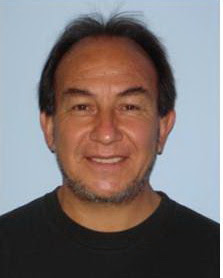
Miguel Nájera-Rincón, UNIFAP/UNAM, Mexico
Miguel Nájera-Rincón is a specialist on biocontrol from UNIFAP/UNAM, Mexico. He has worked on the complex of beetles attacking maize in Mexico and is an expert on the Mexican Scarabaeidae. Miguel was a partner in discovery and confirmation of CRB in Mexico.