
December 16, 2026 @ 1:00 pm – 2:30 pm CST
NAISMA’s Biocontrol Webinar will be held virtually on December 16, 2026, and will focus on “Extension Successes and Failures in Biocontrol.” The webinar will explore lessons learned from university extension efforts to implement weed biocontrol programs. Presenters include Carey Minteer, University of Florida; Ikju Park, UC Riverside; and Jenn Andreas, Washington State University Extension.
Presentations
A Scalable Platform for Field-Based Precision Biological Control of Invasive Pests and Weeds in North America
Presented by Dr. Ikju Park
Invasive species can severely compromise ecological integrity and the agricultural economy in North America. While biological control is effective, three operational bottlenecks heavily hinder progress: general perception of high upfront costs in agent exploration, potential non-target risks to threatened and endangered (T&E) species, and severe mass-rearing limits during the transition from discovery to field deployment. Drawing from comprehensive case studies at UC Riverside (ISABEL), this presentation demonstrates how land managers and agencies can implement either targeted modules or a fully integrated package for scalable, precision invasive species management.
Speakers
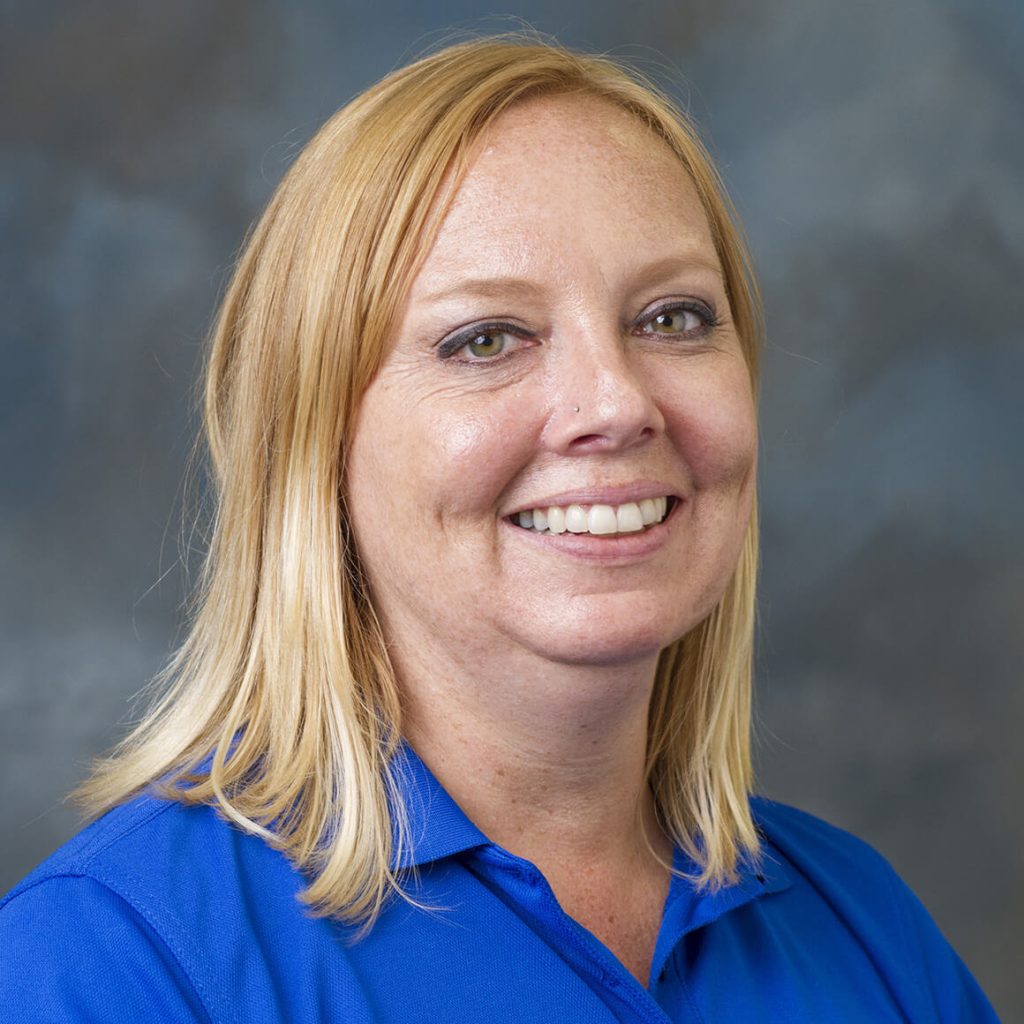
Carey Minteer, University of Florida
Dr. Minteer develops solutions for controlling the Florida’s invasive plant problems through classical biological control and integrated pest management. Dr. Minteer is currently working to control the Brazilian peppertree, one of the state’s most wide-spread invasive plant species and earleaf acacia, a large tree from Australia.
Dr. Minteer’s familiarity with geographic information systems, or GIS, and remote sensing brings an innovative approach for invasive species research to the UF/IFAS Fort Pierce laboratory. Minteer utilizes satellites to collect spectral signatures, or light reflectance, from plants. With these tools Dr. Minteer can select a large swath of land and collect data about the extent of an infestation of an invasive plant species and, over time, monitor changes in that infestation.
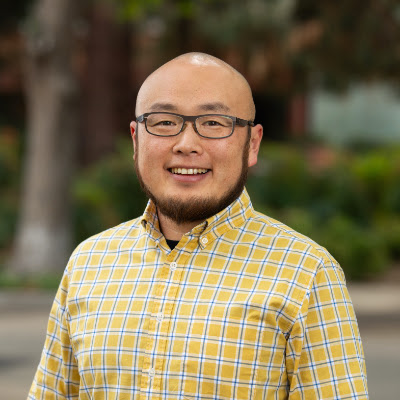
Ikju Park, University of California Riverside
Dr. Park is leading the Insect Sensory & Behavioral Ecology Laboratory (ISABEL) at UC Riverside. His research program provides a vertically integrated infrastructure for precision biological control, creating a ‘one-stop package’ that bridges agent sourcing, safety validation, and mass-rearing optimization. He is the North America Regional Coordinator for the International Association for the Plant Protection Sciences. He also serves as a strategic advisor to develop the Standard Research Agenda for the European Phytosanitary Research Coordination Network (Euphresco III), collaborating with 35 international partners to set directions for biosecurity and invasive species management for North America.

Jennifer Andreas, Washington State University Extension
Jennifer Andreas is a Professor with Washington State University Extension where she leads the Integrated Weed Control Project (IWCP) and acts as the state weed biocontrol specialist. Jennifer started working in biological weed control in 1998 at Agriculture and Agri-Food Canada – Lethbridge Research Centre while completing her undergraduate degree at the University of Lethbridge. She continued with biocontrol research at CABI – Switzerland and then completed a Master’s of Science in Entomology at the University of Idaho, where she investigated the environmental safety of the houndstongue root weevil. In 2005, she joined WSU and shifted her focus onto invasive species education, biocontrol implementation and education and is the primary biocontrol resource for Washington State. In addition to this work, Jennifer is chair for the Flowering Rush Biocontrol Consortium, co-chair of the Columbia Basin CWMA, and conducts research for several weed-biocontrol systems. To learn more, please visit: www.invasives.wsu.edu.