
Webinar: Islands Under Siege: Combating Invasive Species to Protect Unique Island Ecosystems
Webinars
Islands are home to some of the world’s most unique and vulnerable ecosystems—and also some of the most threatened by invasive species.

Islands are home to some of the world’s most unique and vulnerable ecosystems—and also some of the most threatened by invasive species.

The polyphagous shot-hole borer (PSHB) is a tiny but devastating invasive beetle that poses a major threat to urban forests and natural ecosystems.

Join us this November for a dynamic webinar showcasing how artificial intelligence is transforming invasive species detection and monitoring across ecosystems.

Spotted lanternfly (Lycorma delicatula) and tree-of-heaven (Ailanthus altissima) are closely linked invasive species that continue to threaten North American forests, agriculture, and ecosystems. This webinar will explore promising biocontrol solutions aimed at managing these invasive pests.

This webinar will explore how the words we use to talk about invasive species can either support or undermine effective management.
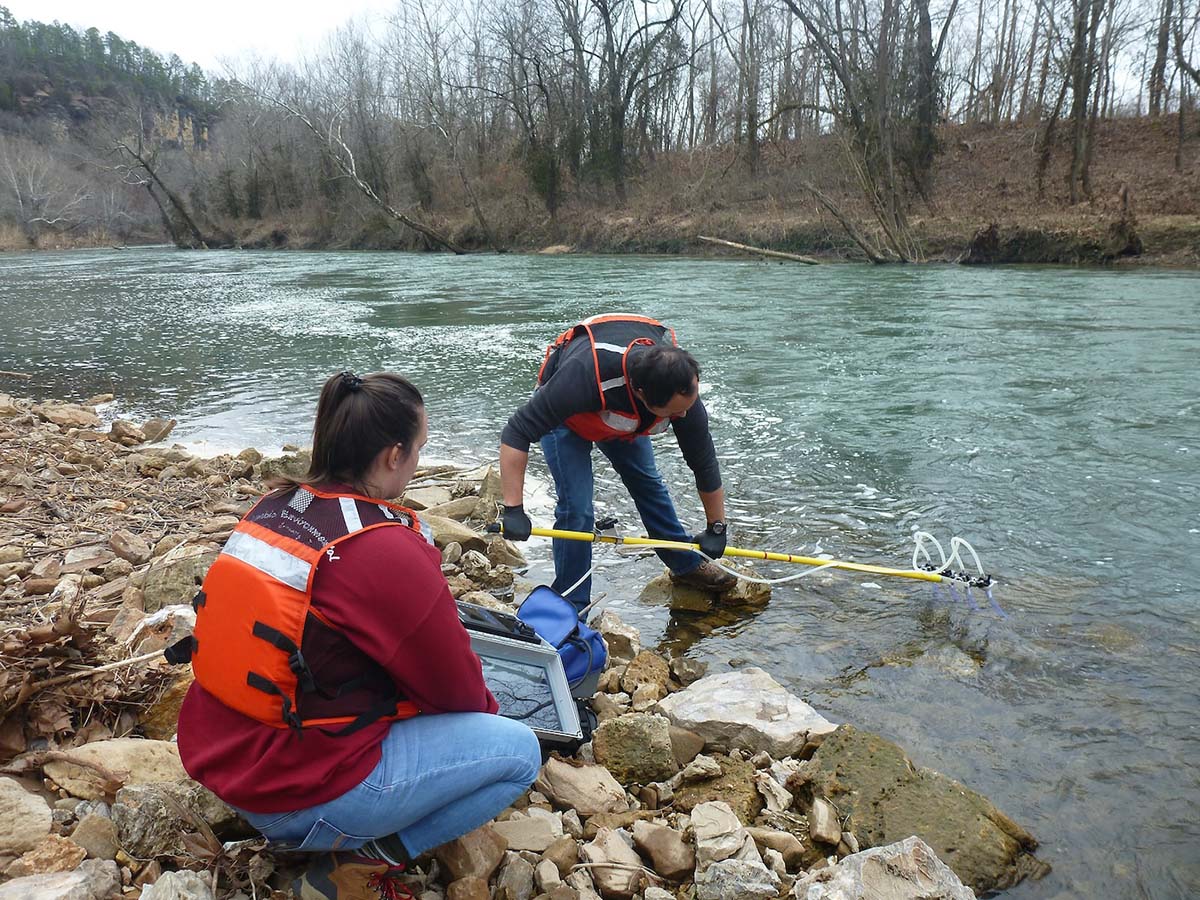
This webinar highlights how U.S. Geological Survey scientists are advancing innovative, science based approaches to prevent, detect, and manage invasive species across diverse ecosystems. Presentations explore the role of invasion biology within a One Health framework, emerging point of use environmental DNA tools for invasive species, parasite, and pathogen surveillance, and the use of molecular […]
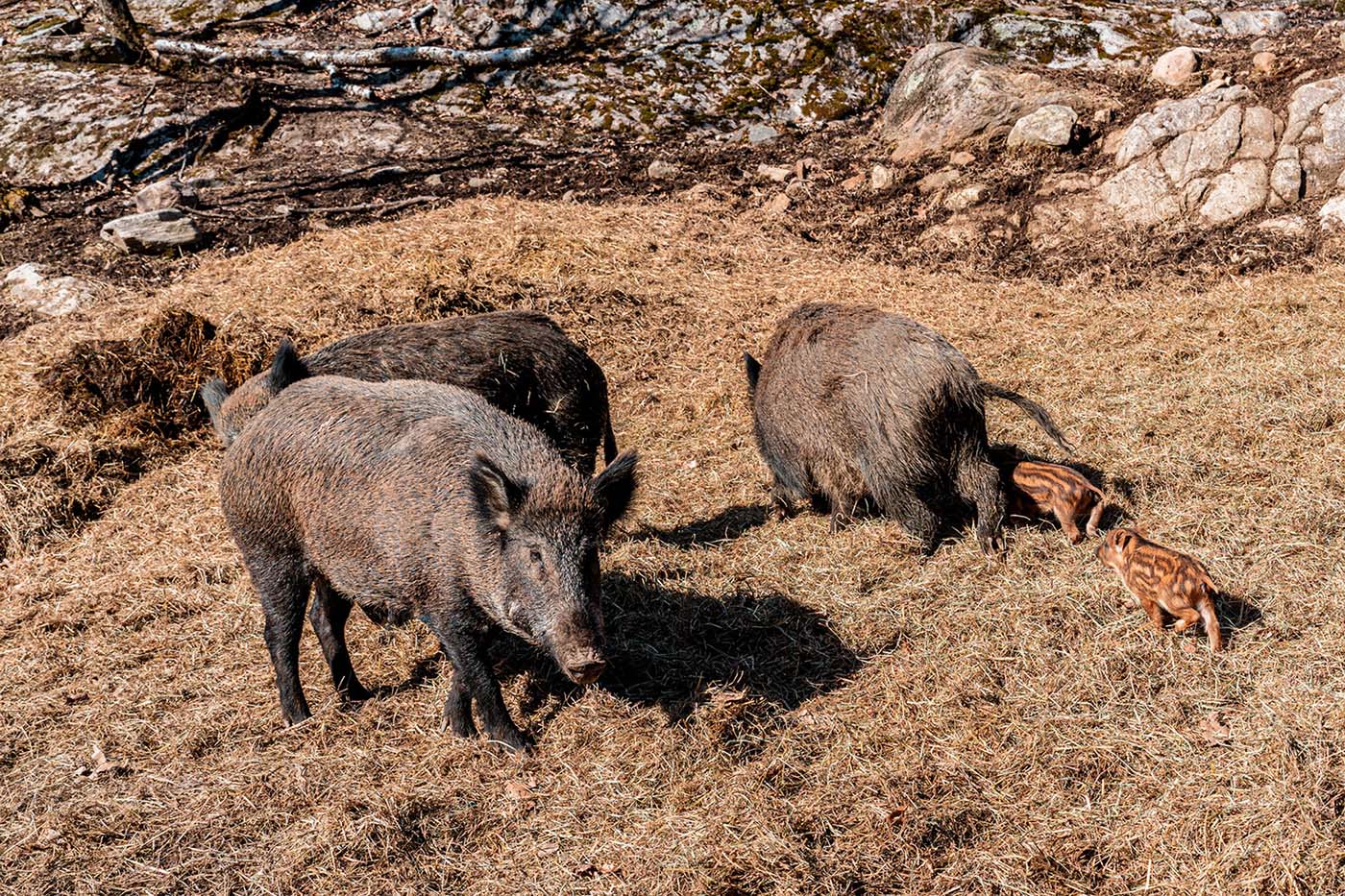
Wild boar are among the most destructive invasive mammals in North America, posing serious risks to agriculture, ecosystems, and human health.

The New World screwworm remains one of the most serious transboundary threats to animal health, livelihoods, and public health in the Americas.

From the introduction of deadly microbes into seafood to the clogging of cooling systems of a nuclear power plant, marine invasive species are more than just costly pests that harm food webs.

Invasive species pose a growing and often underrecognized threat to American food security, public health, and economic stability.

Invasive annual grasses are reshaping fire behavior across California, increasing ignition frequency and altering recovery pathways in fire prone landscapes.
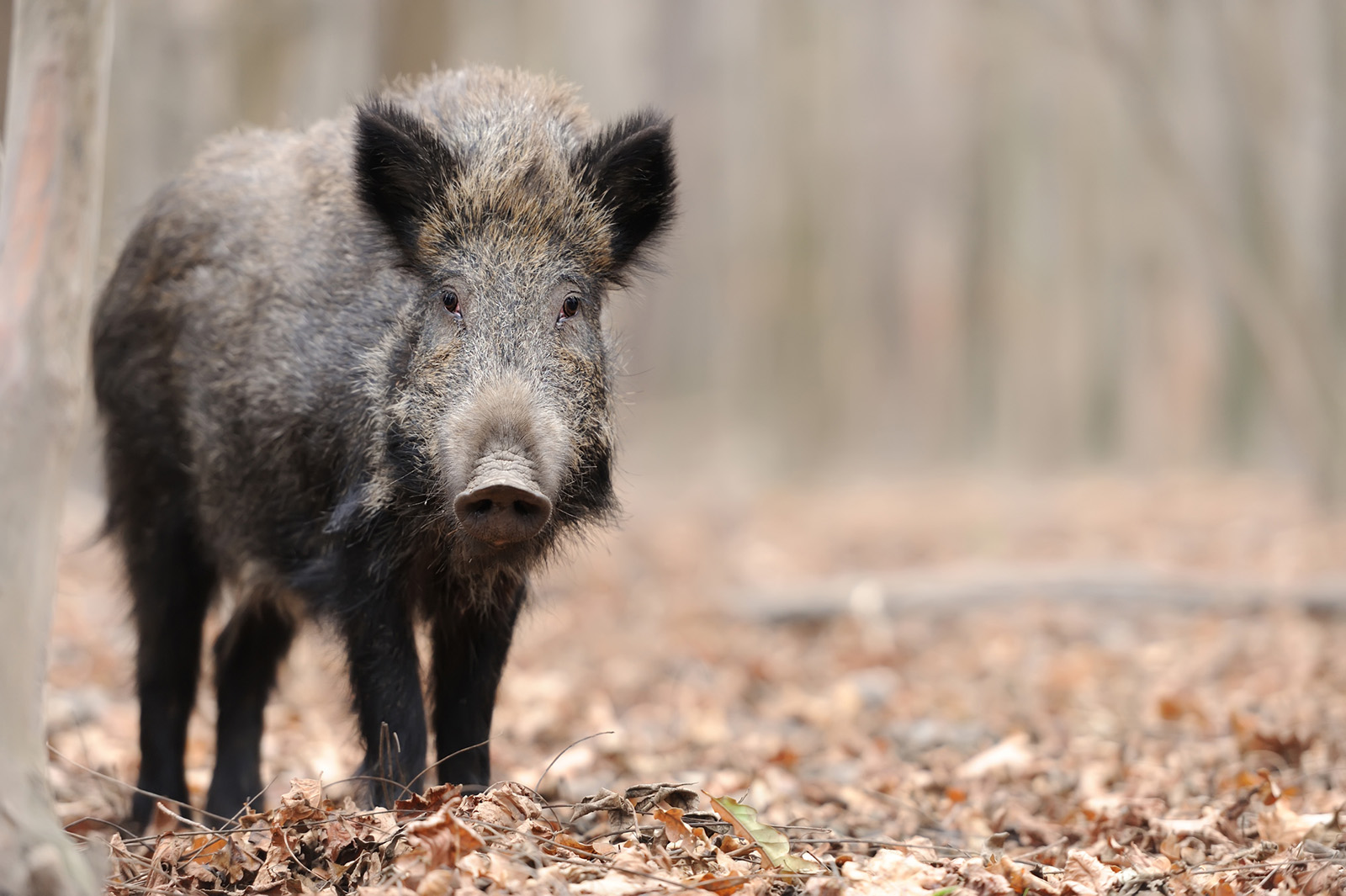
This webinar will provide an overview of the challenges associated with invasive wild pigs and describe how the NFSP is supporting efforts across the US to control wild pig populations.