
Protecting Our Freshwater Ecosystems, One Step at a Time
Freshwater ecosystems—rivers, lakes, streams, and wetlands—are home to a diverse and delicate balance of native species that have evolved together over thousands of years. But this balance is easily disrupted. One of the greatest modern threats to these habitats is the spread of non-native aquatic species from one waterway to another.
You may not see them, but microscopic invaders often hitch a ride on your boat, boots, fishing gear, or even your dog’s paws. These seemingly small movements between bodies of water can have big consequences.
What is the Difference Between Non-Native and Invasive Species?
Non-native species (also called exotic or introduced species) are organisms that have been moved—intentionally or accidentally—into an area where they do not naturally occur. When they spread without natural predators or controls and cause economic harm, environmental harm, or harm to human health, they’re classified as invasive species.
Common aquatic invasive species include:
Once introduced, they can outcompete native species, clog waterways, damage gear, alter water chemistry, and destroy entire food chains.
Why is the Transport of Invasive Species Between Waterways a Problem?
When aquatic invasive species spread between waterways, they often establish quickly, and eradication is extremely difficult, expensive, and often impossible. Here’s what can happen:
1. Loss of Native Biodiversity: Invasive species often crowd out native plants and animals. For example, New Zealand mudsnails can dominate streambeds, starving native invertebrates and the fish that feed on them.
2. Damage to Water Infrastructure: Species like zebra mussels attach to pipes, dams, and other infrastructure, causing blockages and requiring millions of dollars in maintenance and repairs annually.
3. Disruption of Recreational Activities: Dense mats of invasive aquatic plants make it difficult to boat, swim, or fish. Infestations can reduce tourism and the economic value of local lakes and rivers.
4. Harm to Fisheries: Invasive fish and invertebrates can compete with or prey on native fish, threatening recreational and commercial fishing industries.
How Do They Spread?
Humans are the #1 vector. Whether it’s a kayak, a livewell, a pair of waders, or even your dog’s fur, non-native species travel when we do. These invaders can hitchhike via:
- Boats and trailers
- Paddles and oars
- Fishing lines and bait buckets
- Boots, clothing, and pets
- Water in bilges, livewells, cockpits, and ballast tanks

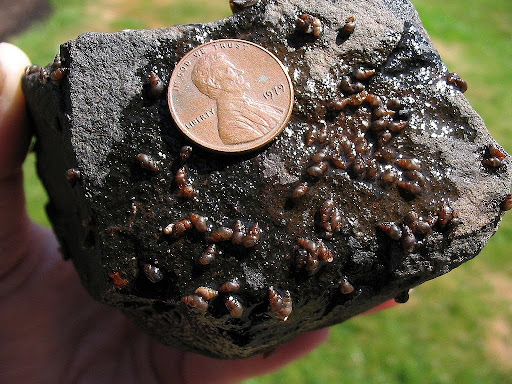
Even tiny fragments or larvae invisible to the naked eye can be enough to start an infestation in a new body of water.
What You Can Do
The good news? You can help stop the spread. It only takes a few simple steps: CLEAN. DRAIN. DRY.
- Clean off visible aquatic plants, mud, and animals from your boat, gear, equipment, and pets after every trip.
- Drain all water from boats, equipment, and water containing devices before leaving the water access site. and boats before leaving a launch site.
- Dry everything thoroughly—many species need moisture to survive and can live for days out of water. Use a towel to wipe everything down and allow everything to dry for five days or more, unless otherwise required by local or state laws.
Report Sightings
Many states and provinces have invasive species hotlines or reporting apps. If you see something unusual—especially an aggressive new plant or animal—report it to your local natural resources agency or Extension Office.
Every Action Counts
Preventing the spread of non-native species between waterways is one of the most effective and cost-efficient strategies we have to protect North America’s freshwater ecosystems. By practicing simple prevention habits and raising awareness, you help conserve the beauty, health, and biodiversity of our lakes and rivers for future generations.