
Prepare for a transformative experience in the world of invasive species management. At NAISMA, we prioritize inclusivity and knowledge-sharing across diverse taxa and interest groups. Our agenda unites both experts and enthusiasts, fostering enriching discussions and collaborations. We are currently finalizing presentation proposals to offer a dynamic line-up of topics. Special sessions will cover pressing issues, such as golden mussels. Further details will be available as they develop.

Keynotes

These inspiring thought leaders will deliver powerful insights and fresh perspectives on the challenges and opportunities in invasive species management.

Dr. Marrone spent her 30+ year career focused on discovering and developing biological products for pest management and plant health, having started and led three previous bioag companies (Entotech, AgraQuest and Marrone Bio Innovations (now called Profarm Group), all of which were sold to larger companies. She is one of only 32 women to have founded a company and taken it public (MBII:NASDAQ). With co-founder Jim Boyd, the former President/CFO of Marrone Bio, Pam launched a fourth company, the Invasive Species Corporation, to bring effective, environmentally friendly biological solutions to control destructive invasive species, in water, forestry and agriculture. The company has a microbial natural product discovery platform to find herbicides, algaecides and biological solutions to control invasive crustaceans and has microbial products to control invasive mussels and invasive fish. She is Chair of the Board of Elicit Plant, is on the board of the Better Meat Co. and advises several other agtech/agbio startups. Among her many awards, in 2023 she received the Rosalind Franklin Award from the Biotechnology Industry Organization and in 2022 she was the first woman to receive the American Chemical Society “Kathryn C. Hach Award for Entrepreneurial Success.” She is a Fellow of the AAAS (American Association for the Advancement of Science), and in 2024 she was elected to the National Academy of Engineering. She is a 2025 inductee into the National Inventors Hall of Fame, with over 400 patents (>80 US). She has a B.S. in entomology with Honors and Distinction from Cornell University and a Ph.D. in entomology from North Carolina State University.

Dr. Pam Marrone

Co-founder and Executive Chair, Invasive Species Corporation
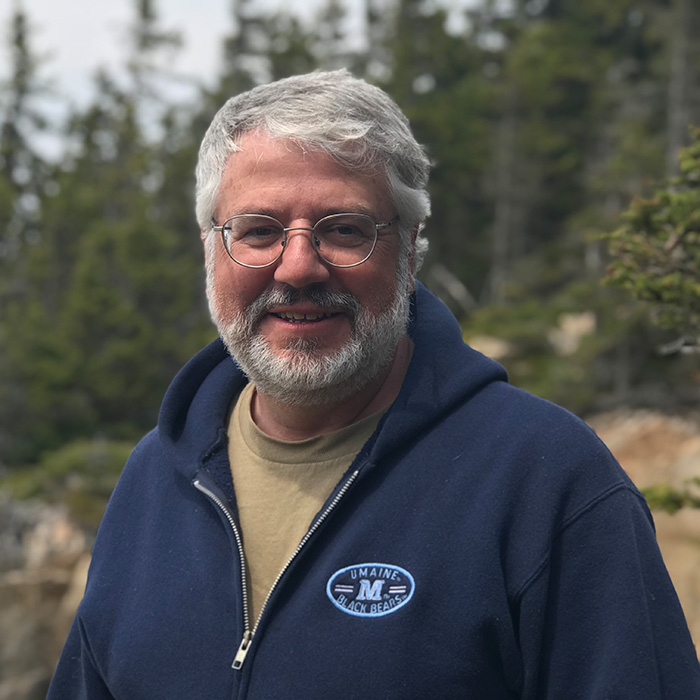
Dr. John J. Daigle is citizen member of the Penobscot Nation and Professor in the School of Forest Resources at the University of Maine. Daigle received his Ph.D. in Forestry from the University of Massachusetts in 1997 and started working at the University of Maine in 1998. He teaches courses with an emphasis on application of social science concepts and methods to outdoor recreation and natural resource planning and management. Prior to accepting his present position with the University of Maine, he served approximately 10 years with the National Park Service as a Park Ranger and U.S. Forest Service as a Research Forester.

Dr. John J. Daigle

Dr. Daigle is a citizen member of the Penobscot Nation and Professor in the School of Forest Resources at the University of Maine

Prof. Marc Cadotte is the Fred and Norah Urquhart Distinguished Professor of Biodiversity. In 2020, he was elected Member of the College of New Scholars, Artists and Scientists, The Royal Society of Canada. He is also the Editor-in-Chief of Ecological Solutions and Evidence and Chair of Applied Ecology Resources, two new publication projects developed with the British Ecological Society and which provide a new communication paradigm for traversing the research-practice divide in ecology. He researches the links between biodiversity and ecosystem function, how to predict and control invasive species, and how environmental change drivers influence biodiversity and the delivery of ecosystem services in the places where they benefit people most. He has published more than 200 articles and has pioneered biodiversity measures that quantify species differences based on phylogenetic and trait-based distances. Prof. Cadotte is the author of Phylogenies in Ecology, published by Princeton University Press and the forthcoming book, A place for Greenspace, to be published by the University of Toronto Press. Prof. Cadotte has accrued over 30,000 citations and is listed on Web of Science’s top 1% most cited scientists in environmental science since 2017.

Prof. Marc Cadotte

Prof. Cadotte is the Fred and Norah Urquhart Distinguished Professor of Biodiversity in the Department of Biological Sciences at the University of Toronto Scarborough

Plan your conference experience

Our agenda provides a snapshot of the week’s events, helping you identify the sessions, meetings, networking opportunities, and activities that matter most to you. Review the schedule below or download the PDF to keep a copy handy while planning your conference experience.

Subject to Change - Concurrent Sessions (3 speakers - 20 mins each) and Special Sessions* (Workshop, Panelist, Single or Multiple Speakers)
Monday, October 19th (all times are in EST)
8:00 am - 4:00 pmNAISMA Board of Directors (Private)
12:00 pm - 4:00 pmField Experience ($100 ticket, lunch & transportation provided)
12:00 pm - 5:00 pmExhibitor Set-Up
3:30 pm - 5:00 pmMAIPC Business Meeting
5:30 pm - 7:30 pmWelcome Reception/Exhibit Showcase
Tuesday, October 20th (all times are EST)
7:30 am - 8:15 amBreakfast with exhibitors
8:15 am - 9:30 amKeynote: Dr. Pam Marrone
Biological Solutions for Invasive Species Management: An Entrepreneurial Journey
Room LocationPlaza APlaza B & CTerrace EastTerrace WestBeechwood
9:35 am - 10:35 amGraduate Student ResearchRegional ProjectsEDRRBiocontrol & Genetic ToolsTerrestrial Systems
Dry but Not Dead: Fragment Viability of Japanese Knotweed After DesiccationBLUE CATFISH (Ictalurus furcatus) – THE TASTY APEX PREDATOR IN THE CHESAPEAKE BAYInvasive plant watch lists to inform EDRR Impacts of climate change on biological controlMethods for managing the invasive grass Microstegium vimineum differ in effectiveness, effort required, and regeneration of native plants over four years of treatment
Impact of Message Framing on Consumer Purchasing Patterns and Perceptions of Invasive PlantsHeavy Metals, PFAS, and Health Effects in Blue Catfish from the Patuxent River, MarylandReady, Set, Respond: A Rapid Response Tool for Decision MakingPrimary Cell Culture and Viral Discovery Efforts Supporting RNAi-Based Biocontrol of Invasive Dreissenid MusselsA new disease causing mortality of European hornbeam in North America
TBDNutria and Feral Hog Management in VirginiaDesigning a User‑Driven Workflow for Improved Invasive Species Data Collection on Managed LandsConstitutive foliar metabolite variation in conifers: investigating susceptibility to the invasive herbivore Lymantria dispar asiaticaThe impacts of invasive plants on native species across ecosystems
10:35 am - 10:50 amNetworking Break
10:50 am - 11:50 amSpecial SessionRegional ProjectsEDRRBiocontrol & Genetic ToolsTerrestrial Systems
*Invasive species threaten U.S. national securityManaging Hemlock Woolly Adelgid in Fairfax County: Integrating Insecticide Treatments and Biological ControlThe Journey of Eradicating Verbesina encelioides From Midway Atoll National Wildlife RefugeA population-suppressive gene drive as an invasive weed management tool Battle of the beech: Turning the tide on a developing forest health crisis
A Pathway to Forest Resilience Project CLAM: An interdisciplinary approach to early detection rapid response and monitoring in the Lake Champlain Basin
Dyadic Models for Nonstationary Gene Flow in Landscape Genomics
Abstract Summary
Department of Plant Pathology and Environmental Microbiology, College of Agricultural Sciences, The Pennsylvania State University
Stewarding State Invasive Plant Legislation Towards Success Finding the Right SPOT: Leveraging Human Mobility Data to Map Boater Pathways and Optimize Aquatic Invasive Species InterceptionInsect Assemblages on Phragmites Across Space and Time: Comparisons Between Native and Introduced Ranges and Co-Occurring SubspeciesSoil driven performance under controlled conditions suggests broader ecological processes shape the invasion success of Ventenata dubia
11:50 am - 1:10 pmNAISMA Annual General Meeting - Lunch Provided
1:15 pm- 3:15 pmSpecial SessionSpecial SessionSpecial SessionSpecial SessionAquatic Systems (1:15-2:15 pm)
From Issue to Influence: Advocacy for Invasive Species Management*Disturbance dynamics: the impacts of extreme weather events on the prevention and management of biological invasions*The Valuable Work of Partnerships for Regional Invasive Species Management (PRISMs)*Improving Science Communication to Mitigate Biological InvasionInvasive European frog-bit: A truly ribbeting situation
Mystery Snails on the Move: Stress Tolerance and Parasite Dynamics in New Habitats
This isn’t Sparta? GLDIATR and the challenge to address AIS in the e-commerce colosseum
Aquatic Systems (2:15-3:15 pm)
Combining Physiological and Behavioral Studies to Identify Controls for Invasive Carp and Crayfish
The new presence of bloody red shrimp (Hemimysis anomala) in Lake Superior: evidence for
establishment and implications
Current status of invasive aquatic plants: integrated management programs in multiple water bodies in Mexico
3:20 pm - 3:35 pmNetworking Break
3:35 pm - 4:35 pmGraduate Student ResearchSpecial SessionCollaboration & Capacity BuildingHuman Dimensions & Citizen SciencePolicy & Frameworks
Updates on biological control of tree of heaven with Verticillium wilt*How to engage your state emergency management agency to reduce invasion risks in disasterIgniting Change: How Volunteers Transformed Behavior Across Loudoun and VirginiaLocal Actions, Lasting Impact: Building a Culture of Invasive Species Prevention Through PlayCleanGo®From Global Goals to National Action: Tackling Invasive Alien Species in Mexico under the Kunming–Montreal Framework
History of Early Life Stress Improves Management Outcomes in an Invasive ThistleManaging Water Chestnut on the Eastern Shore Ephemeral Outreach: Challenges, solutions, and next steps to create change in a part-time community.State lines and species divides: Taxonomic inconsistencies and opportunities in state invasive species polices across the Eastern U.S.
Cooking up a Solution: Chefs on the Frontline of Invasive Species ManagementData please! Enhancing the Phragmites Adaptive Management Framework’s predictive model with targeted funding opportunitiesJust a click away: the spread of invasive plants through online salesA Unified National List of Waterbodies for Dynamic AIS Management
5:30 pm - 7:30pmPoster Reception
Wednesday, October 21st (all times are EST)
7:30 am - 8:15 amBreakfast with exhibitors (Lower Foyer)
8:15 am - 9:30 amKeynote: Dr. John Daigle
Building a community of interest and management response to the Emerald Ash Borer threatening ash trees and cultural lifeways in eastern North America
10:00 am - 12:00 pmOnsite Workshop - Volunteer Recruitment, Management, and Leadership 101
Grace Stern, State Coordinator, Extension Master Gardener Program & Virginia Cooperative Extension
10:00 am - 4:00 pmField Experiences ($100 ticket, lunch & transportation provided)
12:00 pm - 1:30 pmNetworking Lunch in the Courtyard (On Your Own)
1:45 pm - 2:45 pmOnsite Workshop - Communications Workshop
Teagan Wilmot, NAISMA
5:00 pm - 6:00 pmNetworking/Social Hour
6:00 pm - 9:00 pmAwards Banquet & Jeopardy - Invasive Species Edition ($100 ticket includes dinner)
Thursday, October 22nd (all times are EST)
7:30 am - 8:15 amBreakfast with exhibitors
8:15 am - 9:30 amKeynote: Prof. Marc Cadotte
Invaded Cities: Glimpses into the Future of Biodiversity
Room LocationPlaza APlaza B & CTerrace EastTerrace West
9:35 am - 10:35 amCollaboration & Capacity BuildingPolicy & FrameworksInvasion Risks in a Changing WorldHuman Dimensions & Citizen Science
Uprooting Invaders: Loudoun County’s $4 million
Initiative to Stop Invasive Plants
Invasive Species Hot Potatoes-Maintaining Progress on Unregulated SpeciesFrom Islands to the Continent: Lessons from the Pacific for Climate-Ready Invasive Species Management Creating Real-World Solutions to Aquatic Invasive Species Problems through Angler Engagement and Community Based Social Marketing
Ed Jamieson, HydroblasterBuilding Capacity to Prevent AIS in the Columbia River BasinBeyond the grass-fire cycle: The effects of fire and non-fire disturbance on annual grass invasionThrough the underwater view scope: Meeting our Freshwater Flora neighbors through the Aquatic Invasive Species Learning Experience (AISLE)
Bugwood @ 30 - Thoughts about the next 30 yearsRisky Business? Further Considerations for Managed RelocationsAssessing Species at High Risk of Invasion in the Southeastern United States Under Current and Future Climate ScenariosA Seasonal Staffing Approach to large Scale Invasive Plant Management in Massachusetts
10:35 am - 10:50 amNetworking Break
10:50 am - 11:50 amInnovation & TechnologySpecial SessionSpecial SessionSpecial Sesion
Boat Decontamination Dip Tank and Forest Fire Fighting *Invasives Free USA*Empowering Communities: Citizen Science for Effective BiocontrolBuilding a Stronger Weed Free Products Network: Regional Challenges, Opportunities, and Collaboration
Our best hope for nature is human nature
Turning Data into Decisions: Urban Forest Management Planning for Baltimore City Parks
11:50 am - 1:00 pmLunch (On Your Own)
1:00 pm - 3:00 pmSpecial SessionSpecial SessionSpecial SessionSpecial Session
*Addressing Invasive Species and Climate Change Through Global Cooperation and Local Action*National Early Detection and Rapid Response Framework: Resources Available and Future Plans*National Approaches to Biosecurity: A Global Learning Exchange*Where Research Meets Reality: Universities as Catalysts for Invasive Species Action
3:00 pm-3:25 pmNetworking Break
3:25 pm - 4:25 pmInvasives PotpourriPolicy & FrameworksToolsHuman Dimensions & Citizen Science
Screening of Green Pesticides for Managing Drosophila suzukiiIslands at the frontlines: Policy lessons for invasive species managementA site prioritization tool for invasive species: integrating diverse spatial data to improve decision makingCitizen science driving early detection of a non-native ant in Florida: integrating iNaturalist, genetics, and field surveys
Bugwood Images - Citation is crucial information in an AI generated worldBiosecurity updates for Hawaii’s interagency Port of Entry Monitoring ProgramStrategic forewarning: Mapping future invasive insect hotspots for early detection and rapid responseFinger Lakes PRISM Hemlock Woolly Adelgid Survey Program
Is Invasion Ecology a Mature Science?How to Modernize the 126-Year-Old Federal Law for Injurious (Invasive) Wildlife PreventionTBDSpider in the Spotlight: How Natural History Traits of the Joro Spider Have Facilitated Public Interest and Scientific Research
4:30 pm - 4:45 pmConcluding Remarks