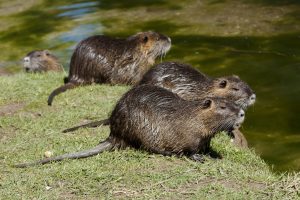
In the delicate balance of North American ecosystems, invasive plants pose a significant threat, disrupting native habitats, displacing native species, and altering ecological processes. As stewards of our environment, it is crucial to be able to identify these invasive plants and take action to mitigate their impact. Here are three examples of invasive plants wreaking havoc on North American ecosystems:
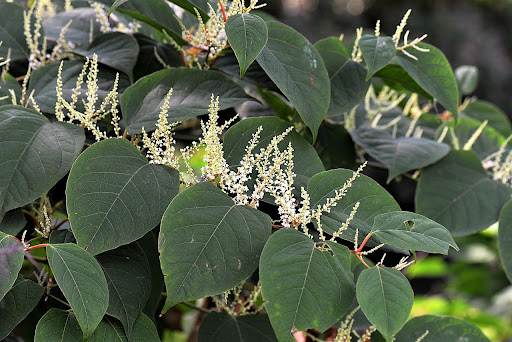
1. Japanese Knotweed (Fallopia japonica):
With its rapid growth and aggressive root system, Japanese knotweed quickly dominates landscapes, outcompeting native vegetation and reducing biodiversity. This invasive plant forms dense thickets along waterways, roadsides, and urban areas, leading to soil erosion and habitat degradation. Its presence not only threatens native flora but also compromises infrastructure integrity, as its roots can penetrate concrete and asphalt.
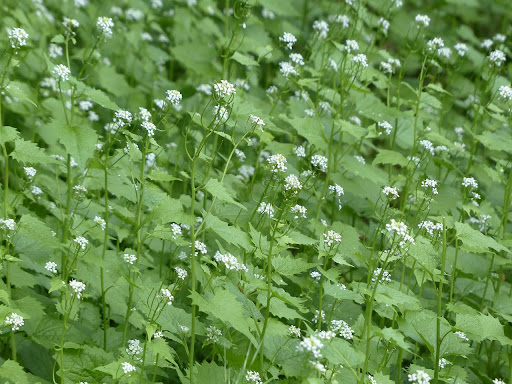
2. Garlic Mustard (Alliaria petiolata):
Originating from Europe, garlic mustard has invaded North American forests, displacing native plant species and disrupting ecosystem dynamics. This aggressive biennial plant releases allelopathic chemicals that inhibit the growth of native vegetation, creating monocultures and altering soil composition. As a result, garlic mustard diminishes habitat quality for wildlife and contributes to the decline of native plant diversity.
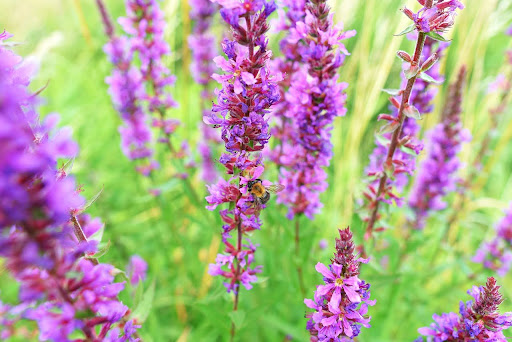
3. Purple Loosestrife (Lythrum salicaria):
Purple loosestrife, prized for its ornamental value, has become a menace to wetland ecosystems across North America. This perennial herbaceous plant forms dense stands in marshes, ponds, and wet meadows, crowding out native wetland plants and reducing habitat availability for aquatic wildlife. Its prolific seed production and lack of natural predators allow purple loosestrife to spread rapidly, threatening the ecological integrity of wetland habitats.
The Importance of Identification:
Being able to identify terrestrial invasive plants is essential in implementing effective management strategies and preventing their spread. By recognizing invasive species in their early stages of establishment, land managers, conservationists, and outdoor enthusiasts can take prompt action to control infestations and restore native ecosystems. Additionally, citizen science initiatives empower individuals to contribute valuable data on invasive plant sightings, aiding in early detection and response efforts.
Together, we can combat the spread of terrestrial invasive plants and safeguard North American ecosystems for future generations. Learn to identify invasive species in your local area, report sightings to your local Extension office or by utilizing a reporting app, participate in invasive plant removal projects, and advocate for invasive species management policies and regulations. By working collaboratively, we can mitigate the devastating impacts of invasive plants and preserve the ecological diversity of our landscapes.