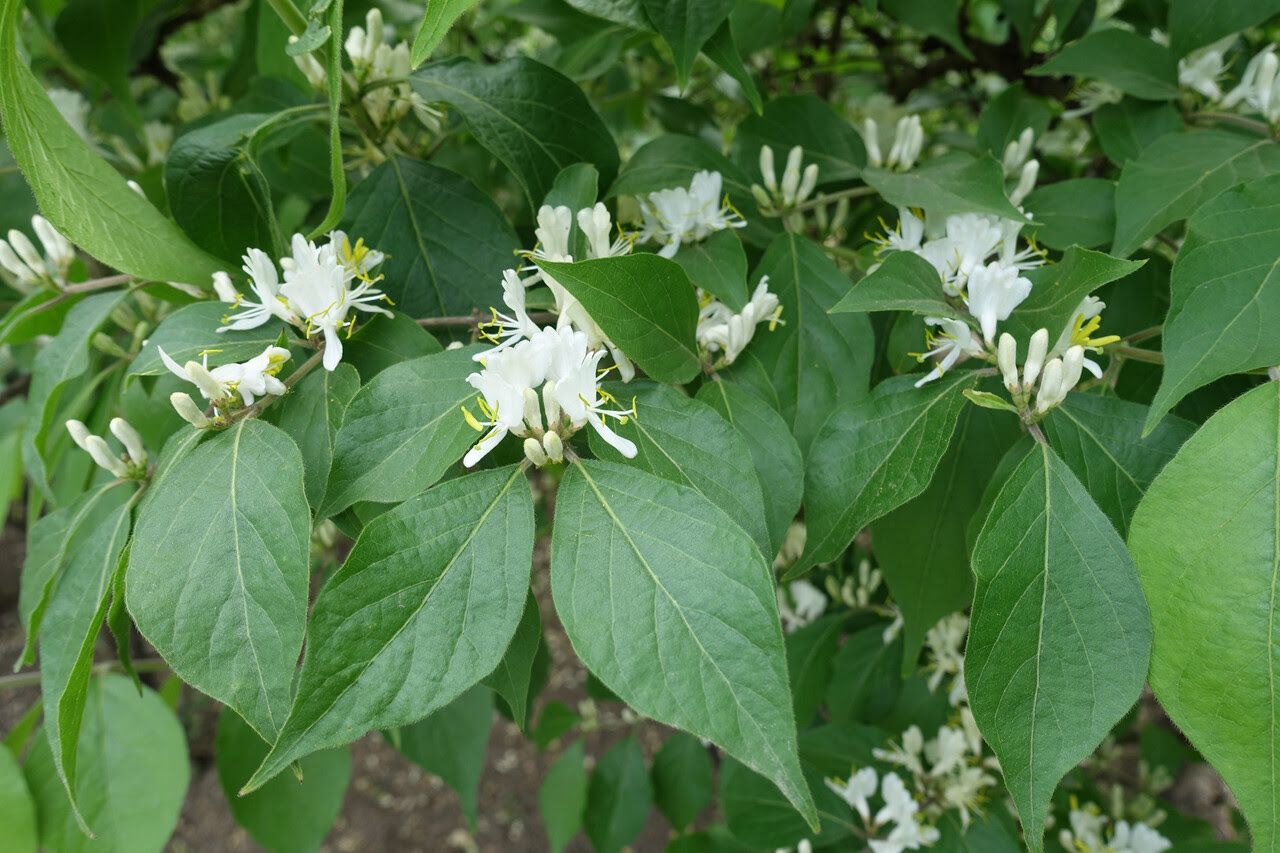
Webinar: Practical Approaches to Managing Amur Honeysuckle
Webinars
Amur honeysuckle (Lonicera maackii) is an invasive shrub native to eastern Asia that was widely planted for ornamental use and wildlife habitat.
Amur honeysuckle (Lonicera maackii) is an invasive shrub native to eastern Asia that was widely planted for ornamental use and wildlife habitat.

Urban forests are on the front lines of invasive pest threats and climate uncertainty. This webinar features two practical tools that help communities assess risk, strengthen preparedness, and respond strategically to emerging forest pests.
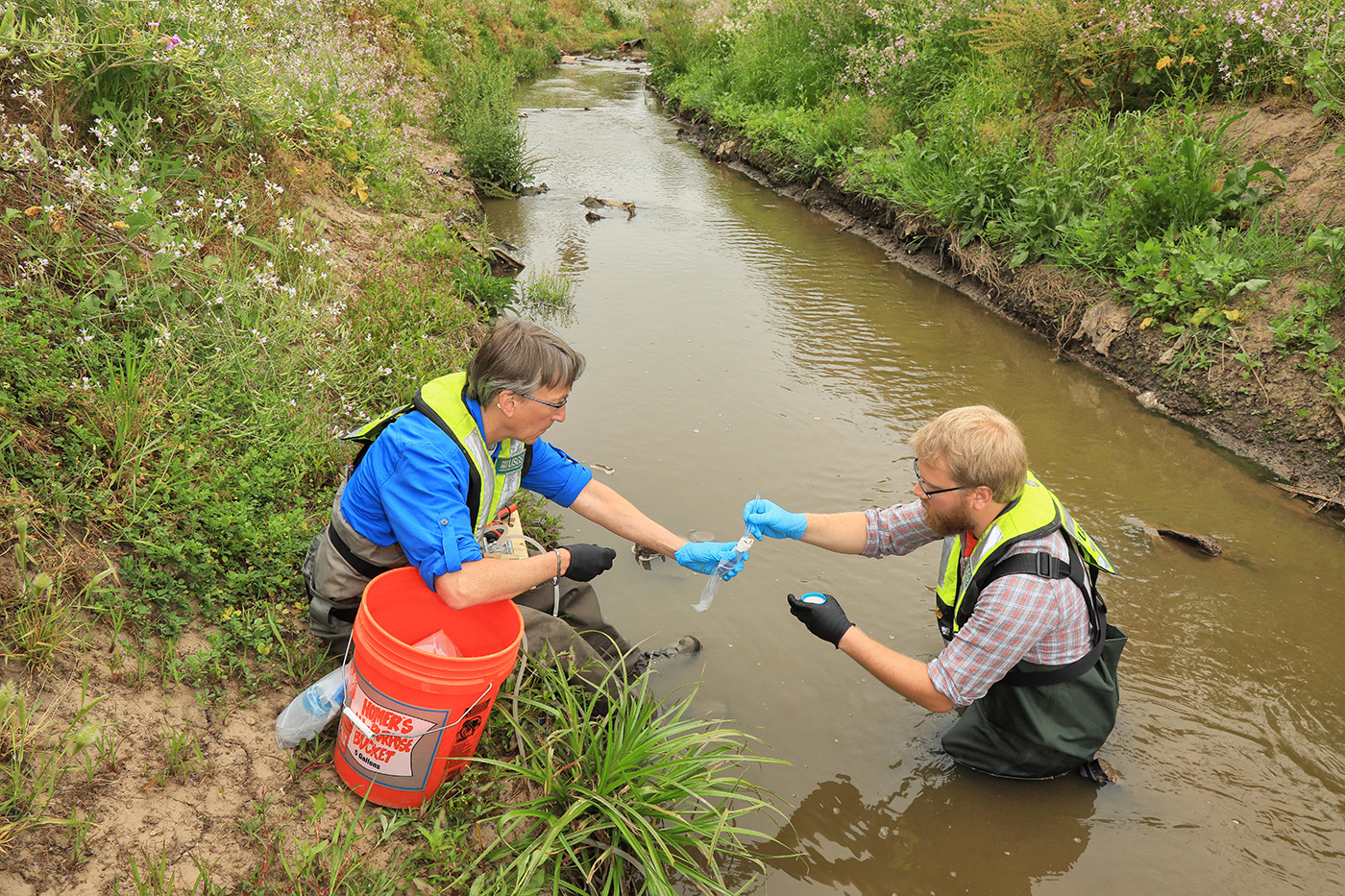
The North American Invasive Species Management Association's inaugural eDNA Summit: From Detection to Decision: Environmental DNA for Invasive Species Management will be held virtually on September 9, 2026, from 11:00 […]

Invasive blue catfish (Ictalurus furcatus) have become an increasingly prominent species in the Chesapeake Bay watershed, raising important ecological and management questions.

From nutria to lionfish, natural resource managers and culinary artists have speculated that harvest and use of invasive species could provide a means of managing or even eliminating nuisance populations.
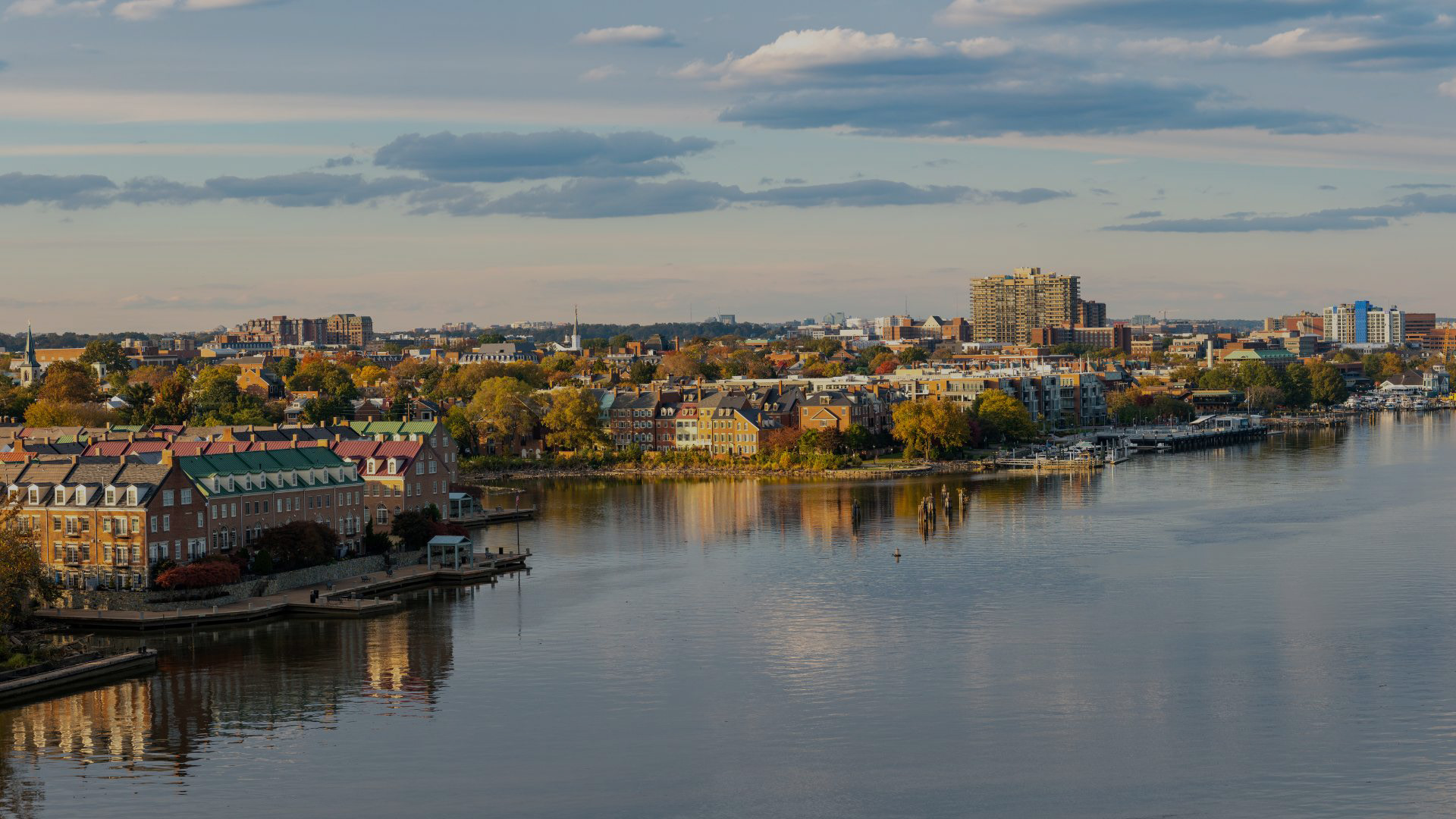
NAISMA’s 2026 Annual Conference will take place at the Hilton Alexandria Mark Center, just minutes from Washington, D.C. This event brings together invasive species management professionals, researchers, educators, and policymakers from across North America to share ideas, innovations, and strategies for protecting natural ecosystems.
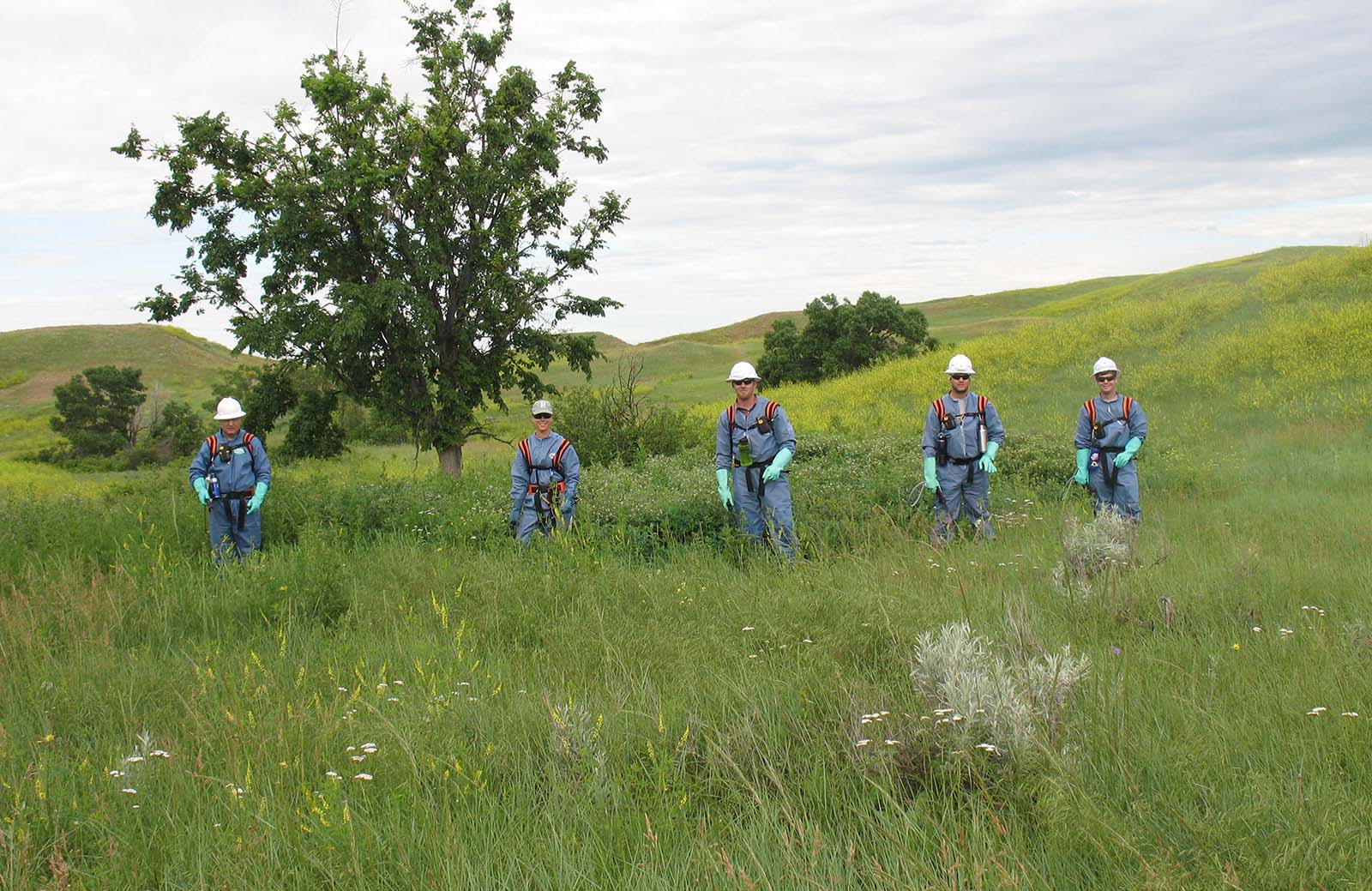
The Interjurisdictional Invasive Species Rapid Response Team (IInSRRT) is a program being designed to support or lead, as requested, rapid response actions across jurisdictions in support of lead management authorities, such as DOI land management agencies, states, tribes, and territories.
Please join us for the 3rd annual International Invasive Species and Climate Change Conference (IISCCC) organized by the Regional Invasive Species and Climate Change (RISCC) Network on December 1 and 2, 2026.
Please join us for the 3rd annual International Invasive Species and Climate Change Conference (IISCCC) organized by the Regional Invasive Species and Climate Change (RISCC) Network on December 1 and 2, 2026.
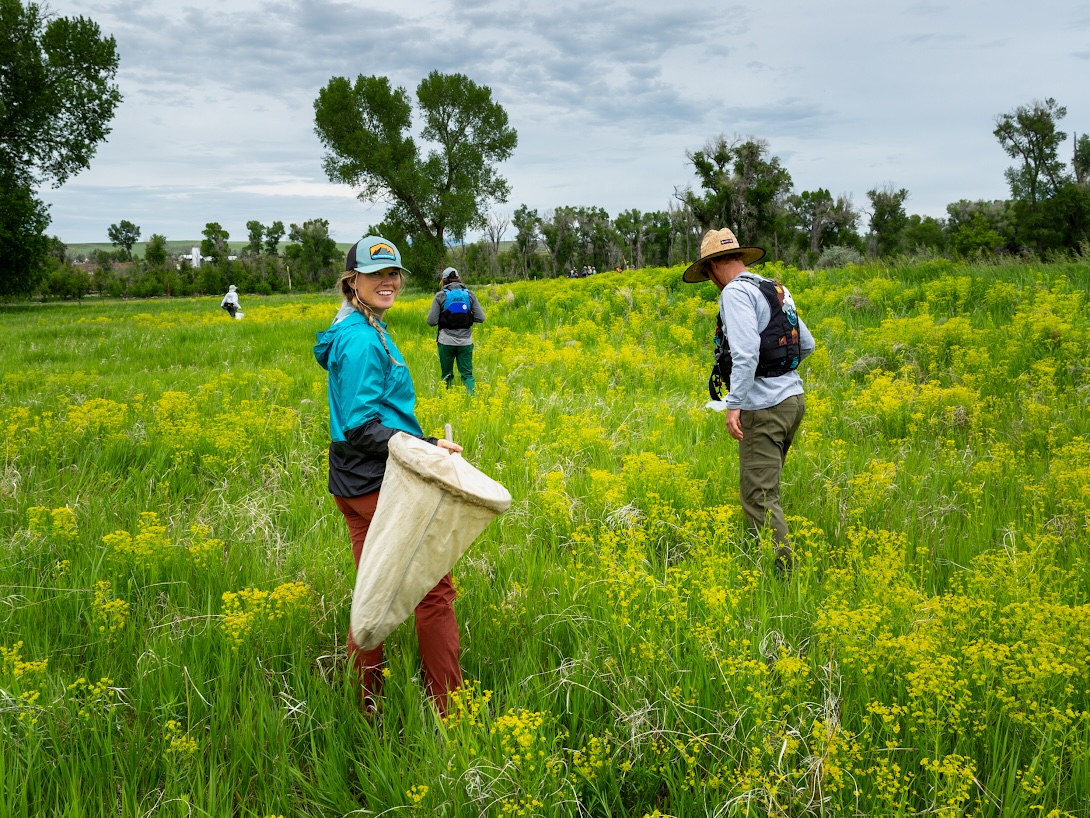
This annual event shares the latest advances in classical weed biocontrol research with invasive plant managers and educators across North America, fostering connections between researchers and on-the-ground practitioners. This year's event is being sponsored by the Nevada Department of Agriculture and the Wyoming Weed and Pest Council.

Discover how eDNA monitoring along the Northwest Passage reveals Arctic biodiversity and the first detection of invasive bay barnacles in Arctic Canada.

Eurasian watermilfoil is a charismatic invasive species and has been found within the Lake Champlain Basin for well over 50 years.