
NISAW Webinar: Invasive Species Threaten American Food Security
NISAW
Invasive species pose a growing and often underrecognized threat to American food security, public health, and economic stability.

Invasive species pose a growing and often underrecognized threat to American food security, public health, and economic stability.

Invasive annual grasses are reshaping fire behavior across California, increasing ignition frequency and altering recovery pathways in fire prone landscapes.
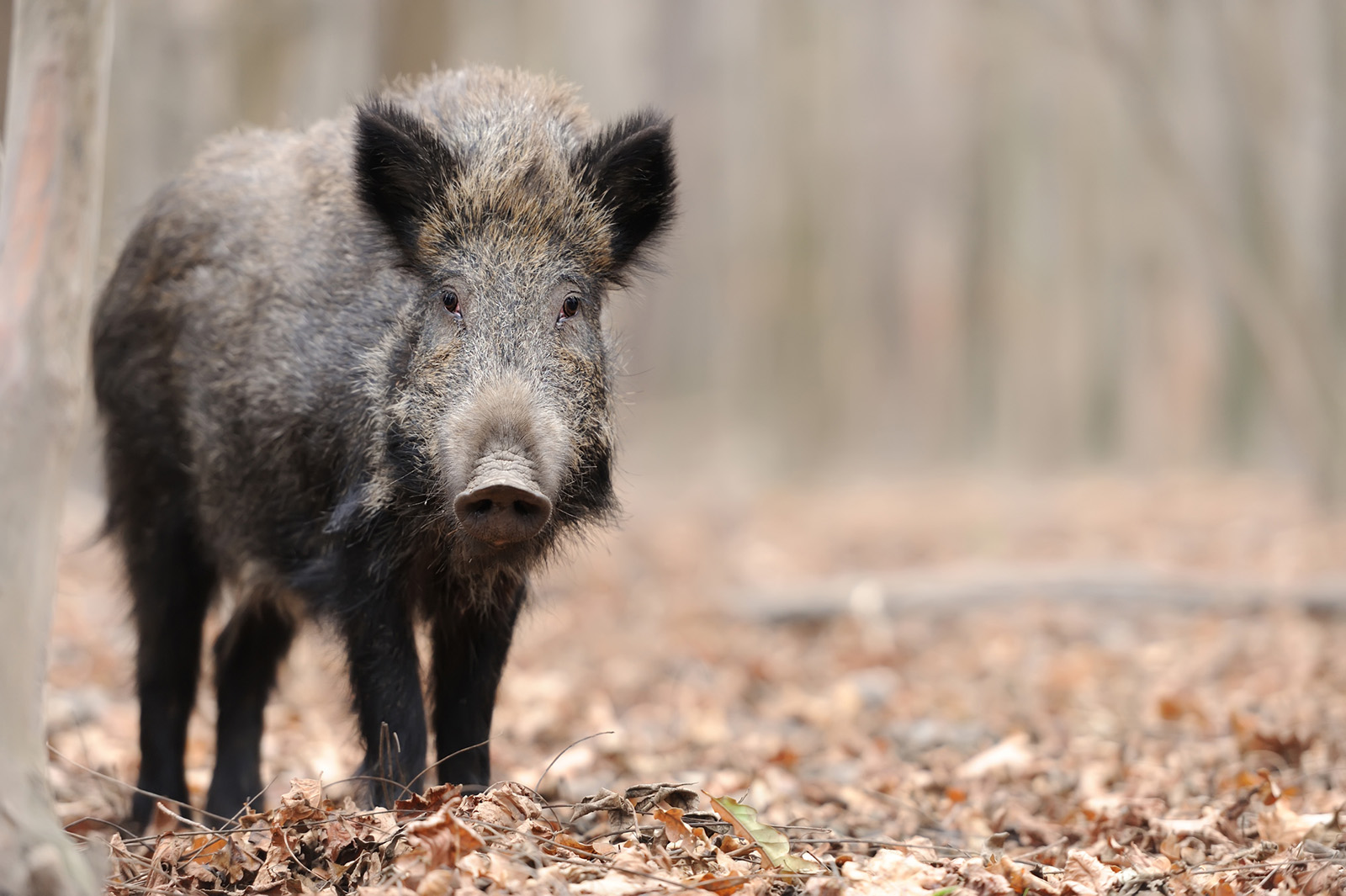
This webinar will provide an overview of the challenges associated with invasive wild pigs and describe how the NFSP is supporting efforts across the US to control wild pig populations.
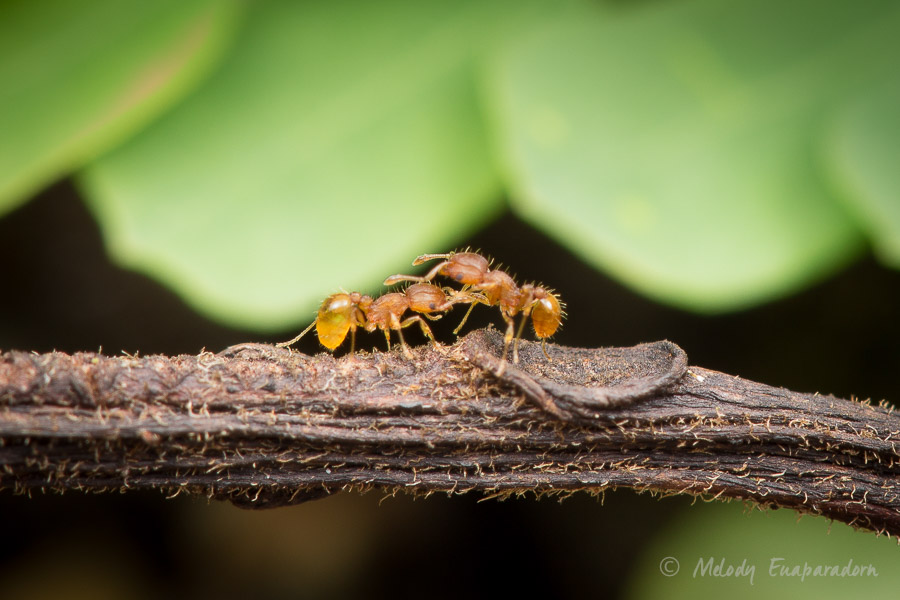
Invasive ants are spreading into new regions, disrupting ecosystems, impacting agriculture, and creating challenges for land managers and communities.

This webinar will explore behavioural psychology, community-based social marketing strategies, and practical approaches for encouraging stewardship behaviours that help prevent the spread of invasive species.

Join us for PlayCleanGo® Awareness Week, taking place June 6-13, 2026, across North America. This annual campaign brings together outdoor enthusiasts, land managers, and partners across the U.S., Canada, and Mexico.
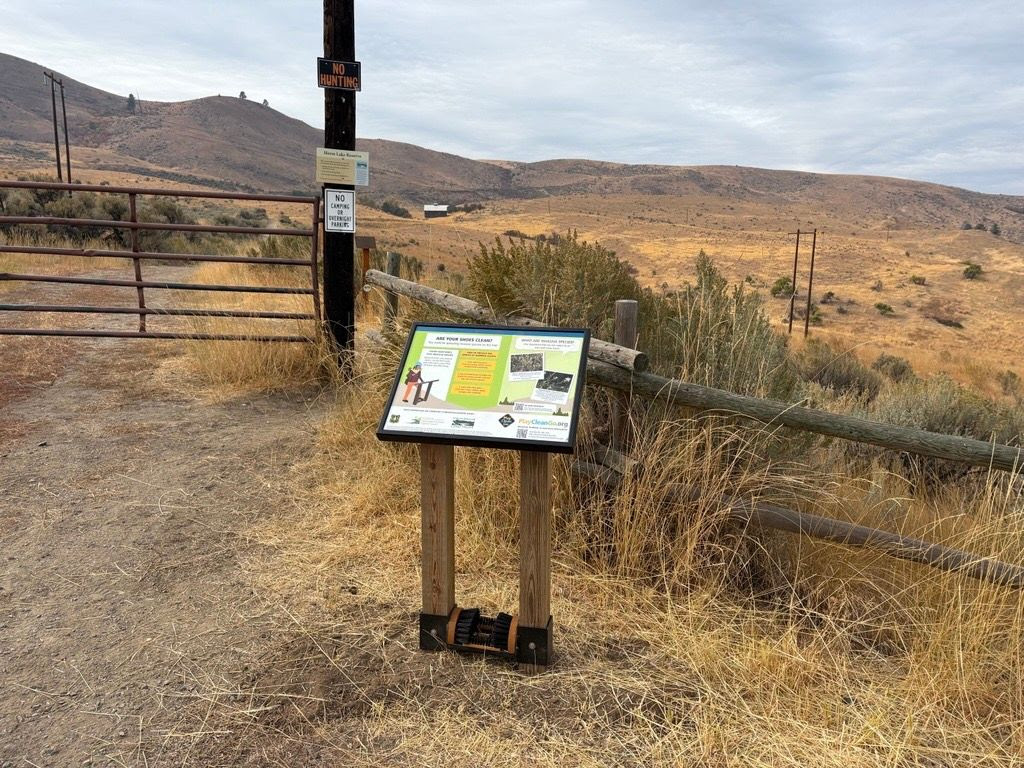
Come learn how the Washington Invasive Species Council built numerous partnerships focused on noxious weed prevention.

Seed dispersal is a natural process that helps keep ecosystems healthy and resilient. However, when people visit parks, they can unknowingly carry seeds on their boots—including seeds from invasive plants—which can change what grows where.

Invasive species are one of the main drivers of biodiversity loss worldwide and different countries have taken different approaches to communicating this to society taking into account culture, language, and local traditions.

Since 2017, Minnesota’s Starry Trek Program has demonstrated how coordinated volunteer engagement can significantly expand early detection capacity for aquatic invasive species.

The coconut rhinoceros beetle (CRB) Oryctes rhinoceros is endemic to Asia where the adult beetles feed on palms by boring into the growing point, damaging emerging fronds and in extreme cases, killing the palm.
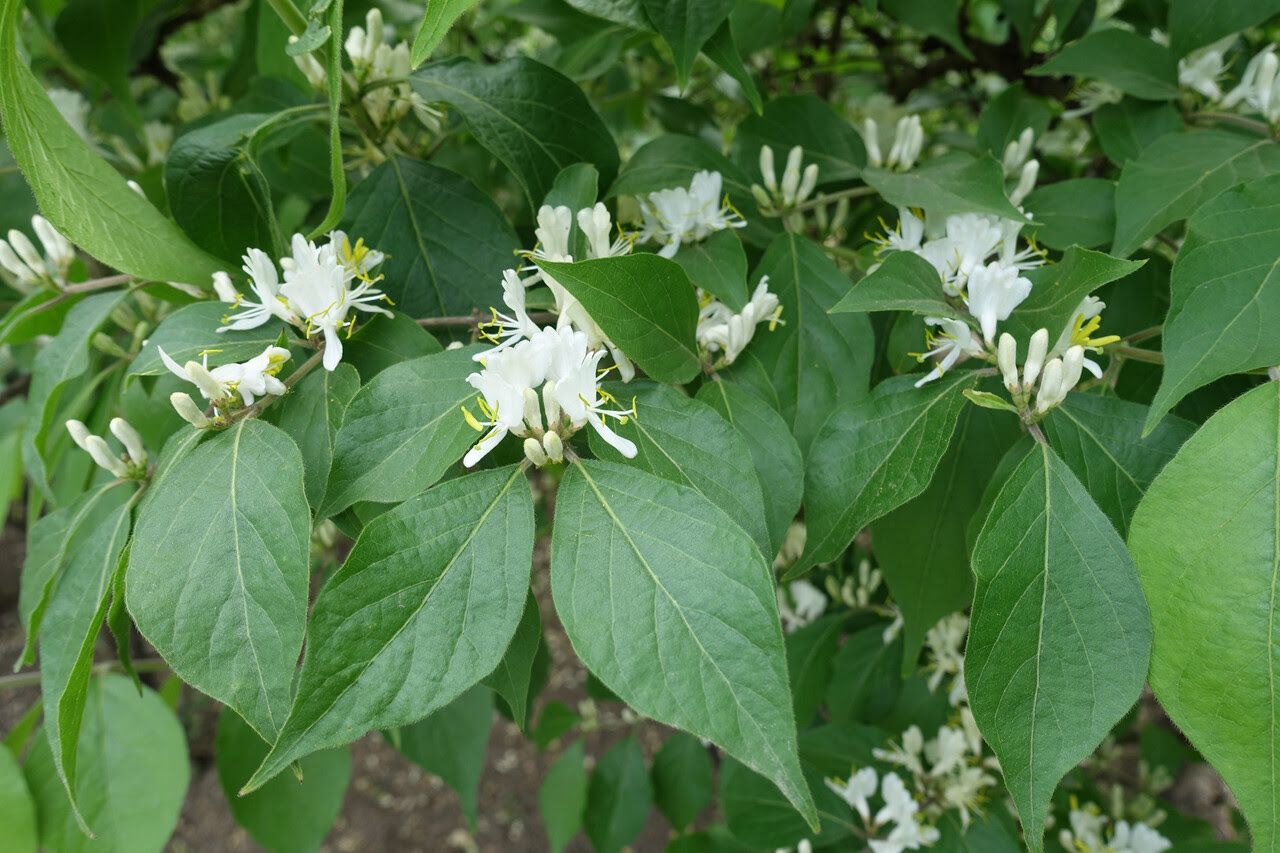
Amur honeysuckle (Lonicera maackii) is an invasive shrub native to eastern Asia that was widely planted for ornamental use and wildlife habitat.