
PlayCleanGo Awareness Week
Join us for PlayCleanGo® Awareness Week, taking place June 6-13, 2026, across North America. This annual campaign brings together outdoor enthusiasts, land managers, and partners across the U.S., Canada, and Mexico.
Join us for PlayCleanGo® Awareness Week, taking place June 6-13, 2026, across North America. This annual campaign brings together outdoor enthusiasts, land managers, and partners across the U.S., Canada, and Mexico.

Come learn how the Washington Invasive Species Council built numerous partnerships focused on noxious weed prevention.

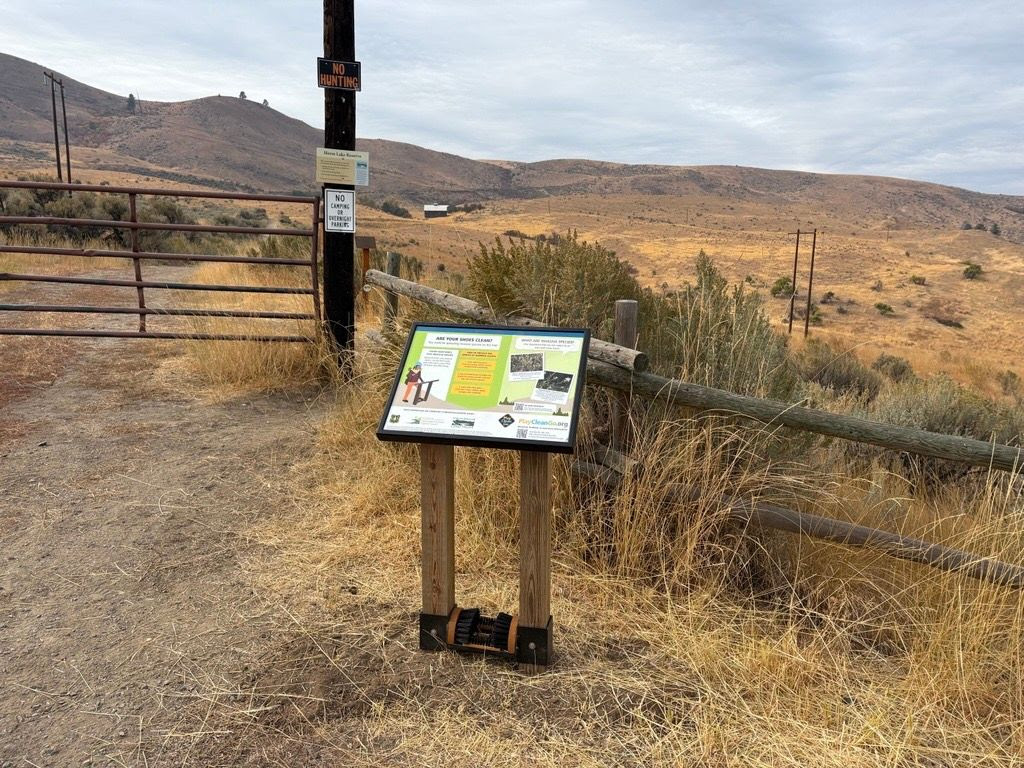
Seed dispersal is a natural process that helps keep ecosystems healthy and resilient. However, when people visit parks, they can unknowingly carry seeds on their boots—including seeds from invasive plants—which can change what grows where.

Invasive species are one of the main drivers of biodiversity loss worldwide and different countries have taken different approaches to communicating this to society taking into account culture, language, and local traditions.

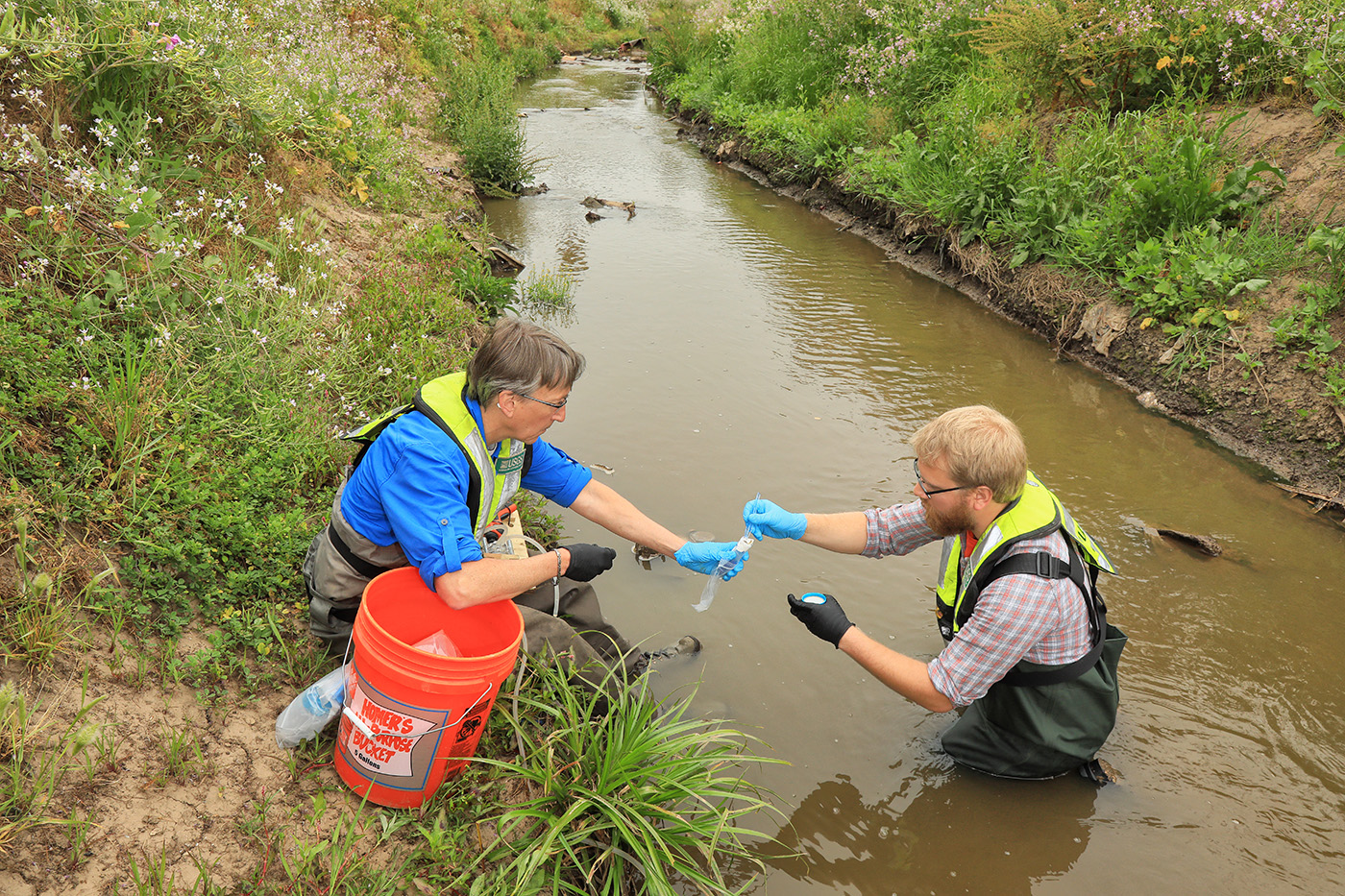
Since 2017, Minnesota’s Starry Trek Program has demonstrated how coordinated volunteer engagement can significantly expand early detection capacity for aquatic invasive species.

The coconut rhinoceros beetle (CRB) Oryctes rhinoceros is endemic to Asia where the adult beetles feed on palms by boring into the growing point, damaging emerging fronds and in extreme cases, killing the palm.

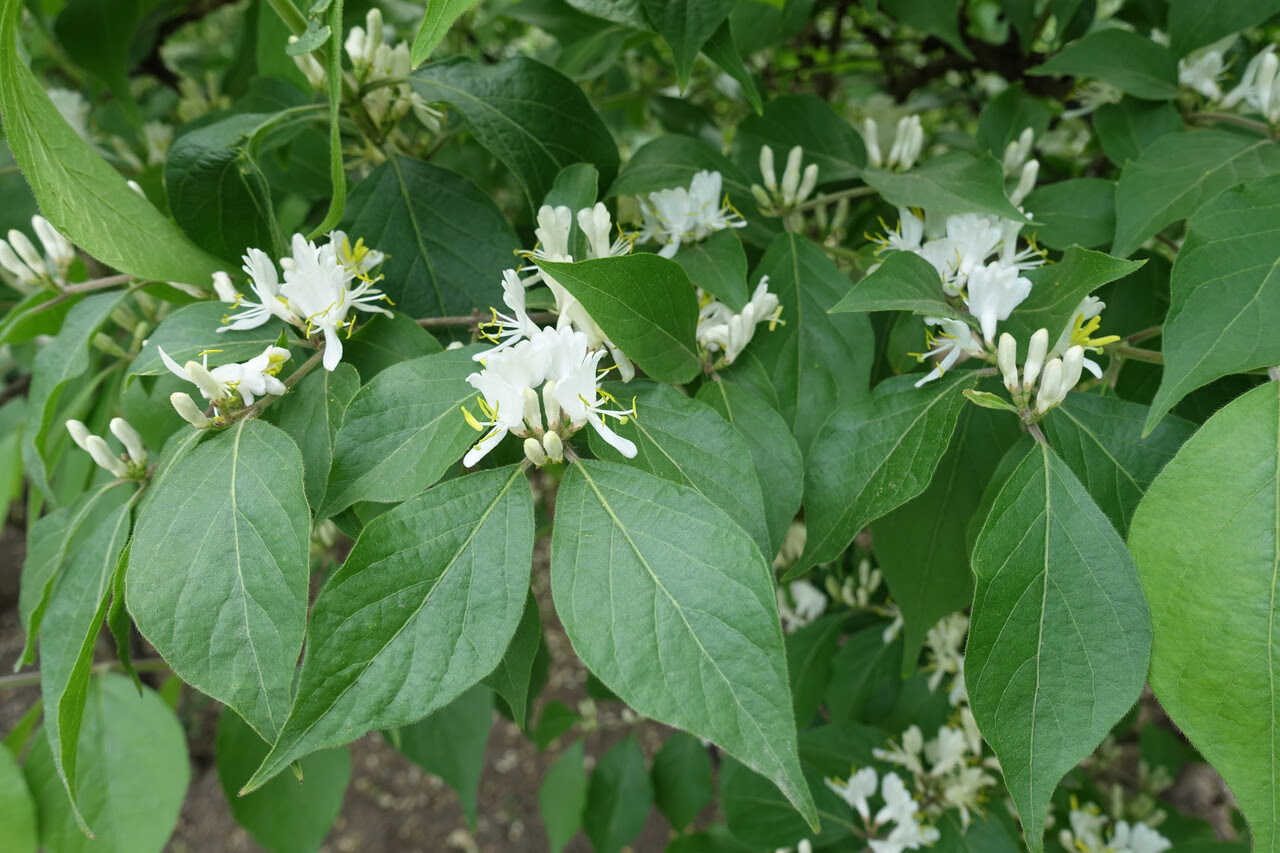
Amur honeysuckle (Lonicera maackii) is an invasive shrub native to eastern Asia that was widely planted for ornamental use and wildlife habitat.

Urban forests are on the front lines of invasive pest threats and climate uncertainty. This webinar features two practical tools that help communities assess risk, strengthen preparedness, and respond strategically to emerging forest pests.

The North American Invasive Species Management Association's inaugural eDNA Summit: From Detection to Decision: Environmental DNA for Invasive Species Management will be held virtually on September 9, 2026, from 11:00 a.m. – 3:30 p.m. Central. This summit will explore how environmental DNA (eDNA) is transforming invasive species management by providing powerful new tools for early […]

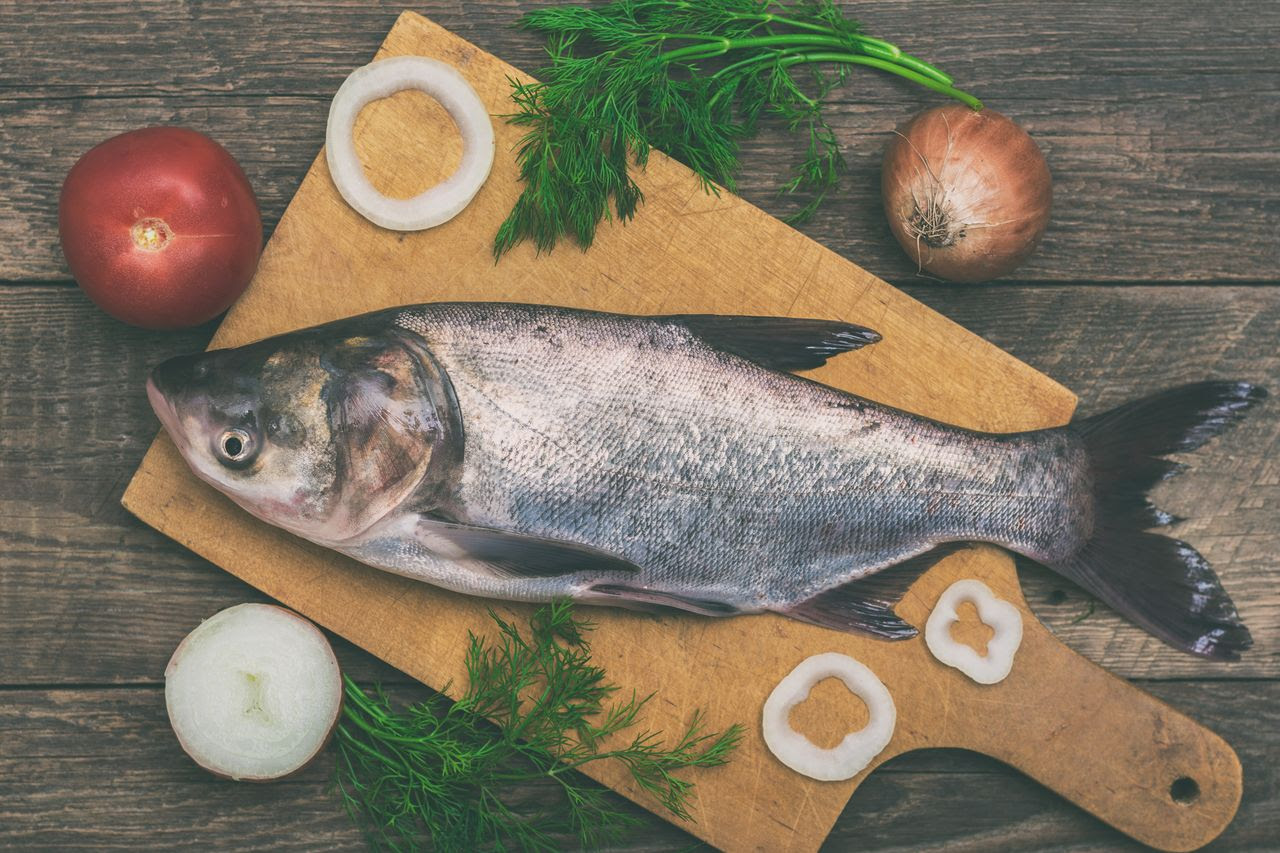
Invasive blue catfish (Ictalurus furcatus) have become an increasingly prominent species in the Chesapeake Bay watershed, raising important ecological and management questions.

From nutria to lionfish, natural resource managers and culinary artists have speculated that harvest and use of invasive species could provide a means of managing or even eliminating nuisance populations.

NAISMA’s 2026 Annual Conference will take place at the Hilton Alexandria Mark Center, just minutes from Washington, D.C. This event brings together invasive species management professionals, researchers, educators, and policymakers from across North America to share ideas, innovations, and strategies for protecting natural ecosystems.